


We all need a Savior
“For all have sinned, and come short of the glory of God.”
Romans 3:23
None of us can earn our way to God by being good enough. We all need mercy.
Market flowers, week after week
Choose your flowers and a weekly stem goal. We build a dated sowing schedule from your frost dates, show where harvests overlap or run thin, and count the plants you need.
Shared evenly across the flowers you pick.
Covers seeds that don’t sprout. Assumption — edit to match your farm.

Pick at least one flower
Tap the flowers you want to grow above.
Reading 30 years of NOAA frost records…
Bars show each succession’s estimated harvest. The top row shows stems per week against your goal.
| Sow date | Flower & how | Plant out | First cut (est.) | Plants | Seeds / tubers | Row feet |
|---|
All dates and counts are estimates from typical crop timings. Varieties, weather and soil change them. Row feet assume one row at the listed spacing.
How succession works
One big sowing gives one big flush, then nothing. Smaller sowings a week or two apart keep buckets full all season.

Single-stem sunflowers give one stem and are done. Sow them every 1–2 weeks for a steady supply.

Zinnias, cosmos and snapdragons rebloom for weeks when you keep cutting. Two or three sowings cover most of summer.

Established lavender blooms each June to August with no sowing at all. It adds scent and structure to every bouquet.
Your weekly goal is shared evenly across your flowers. For each flower we divide its share by how many stems one plant gives per week of harvest, and allow for successions that overlap. It is an estimate, so round up when you order seed.
For frost-tender flowers, the last sowing is the one that still gets about two weeks of cutting before your first fall frost. Hardier flowers can keep going a little past a light frost. Cool-season flowers like sweet peas and larkspur stop once summer heat arrives.
Dahlias grow from tubers and bloom until frost from one planting. Lisianthus and statice are slow and bloom for a long time. Extra sowings rarely pay off for them.
No. Lavender is a perennial. Plant it once and it blooms every summer from its second year. English lavender blooms first; lavandin follows in mid to late summer.
From NOAA’s 1991–2020 climate normals for the nearest weather station. If that data cannot be reached, we fall back to a rough estimate for your USDA zone, and say so.
Plant once, cut every summer. Browse lavender for cutting and drying, or ask our grower assistant which cultivars have the longest stems.
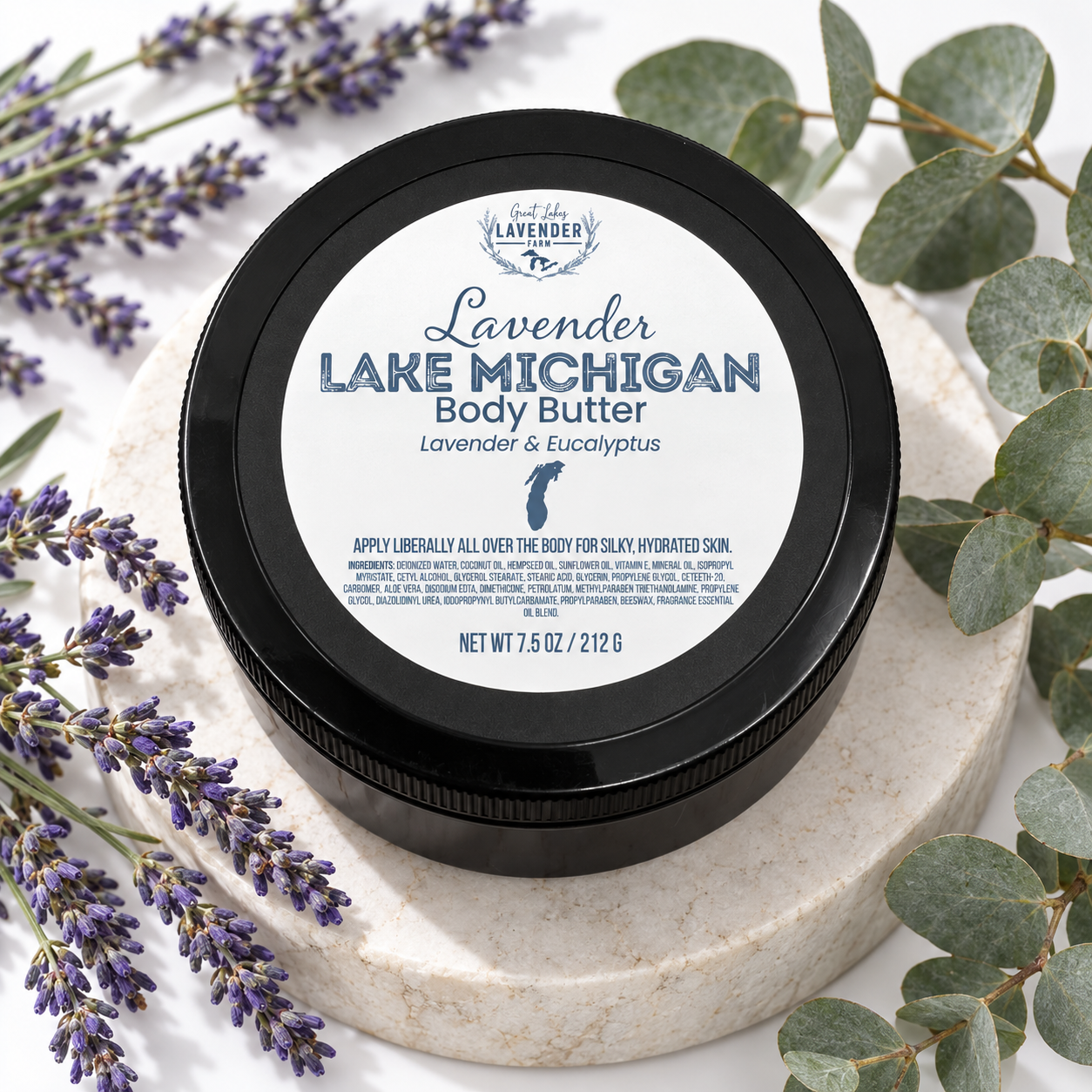
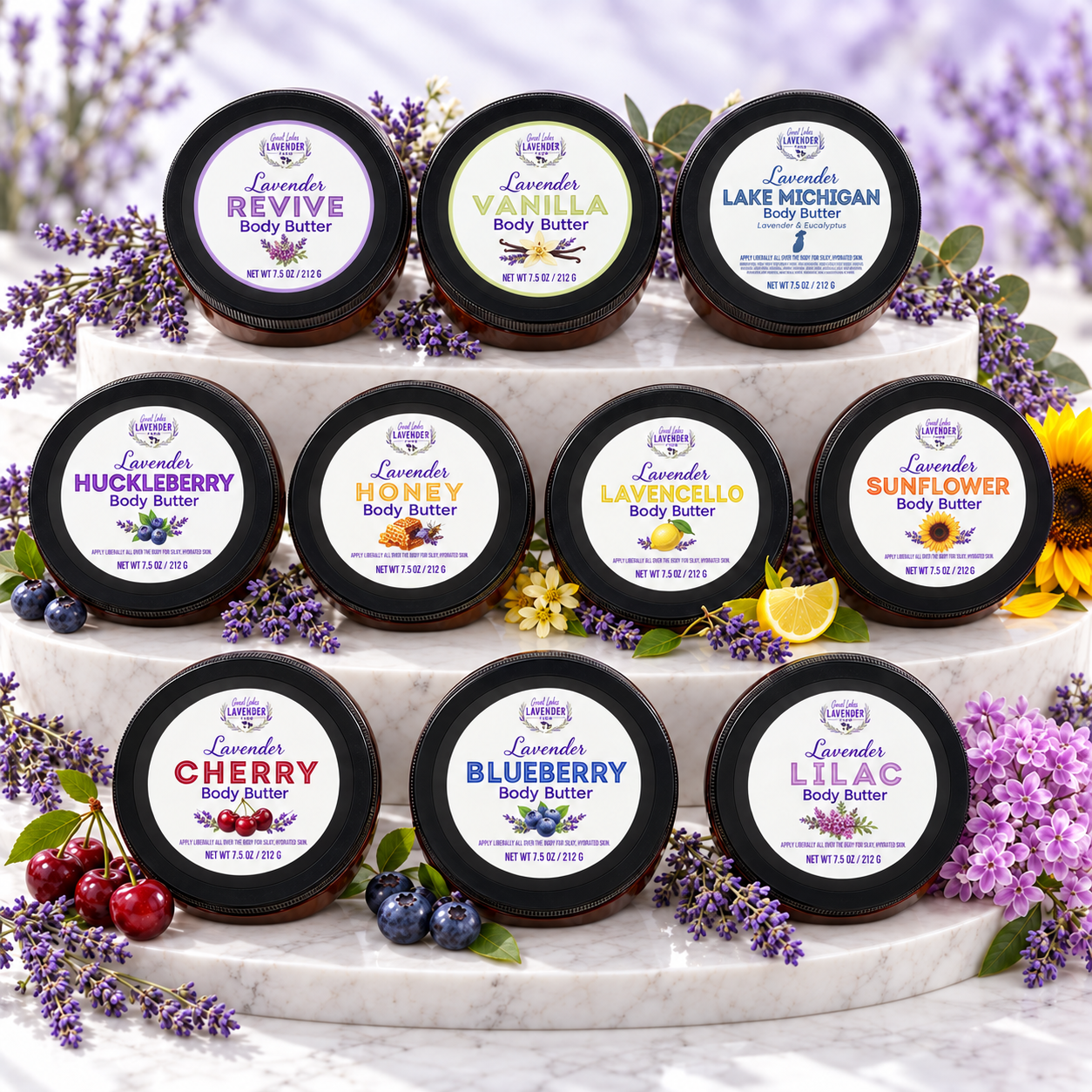
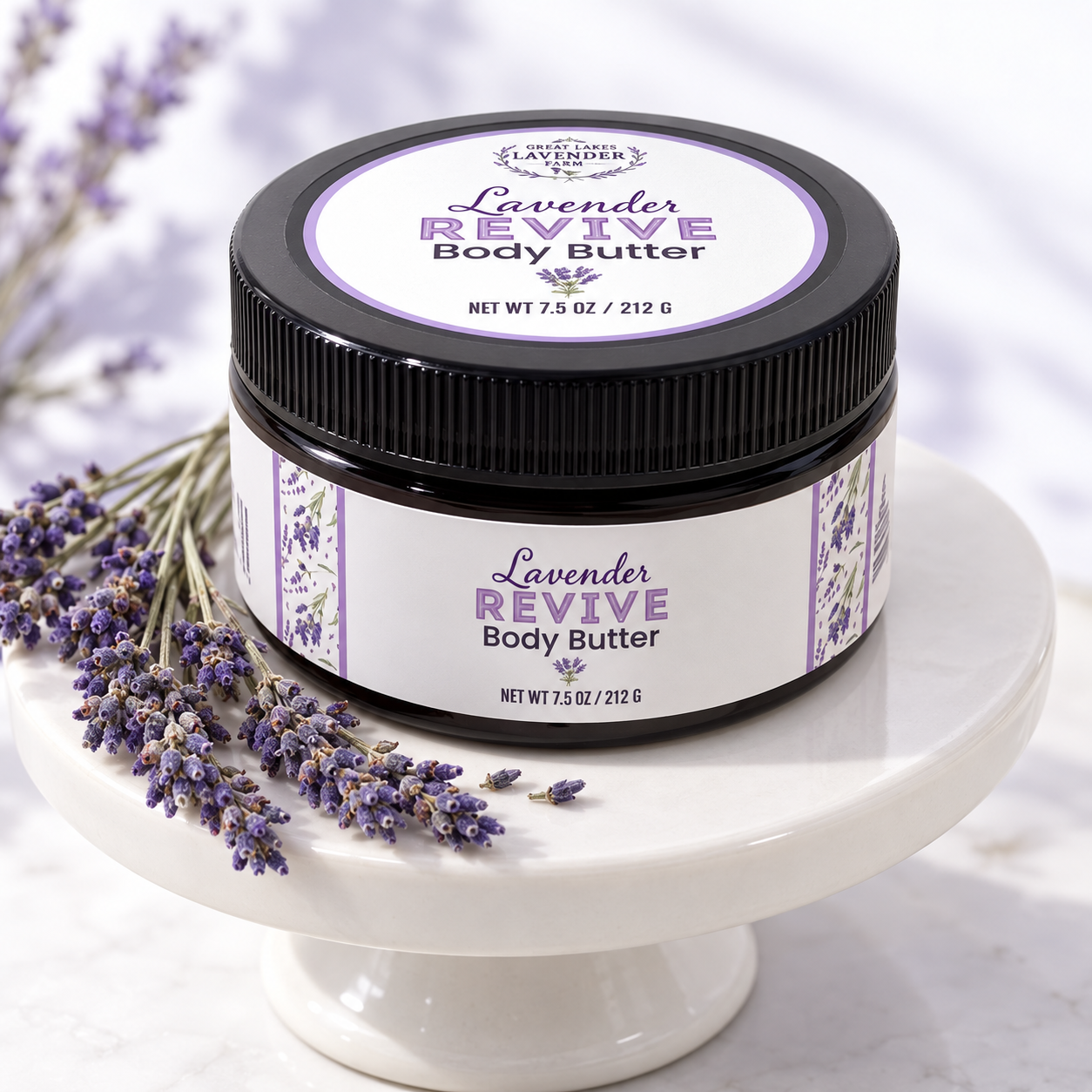
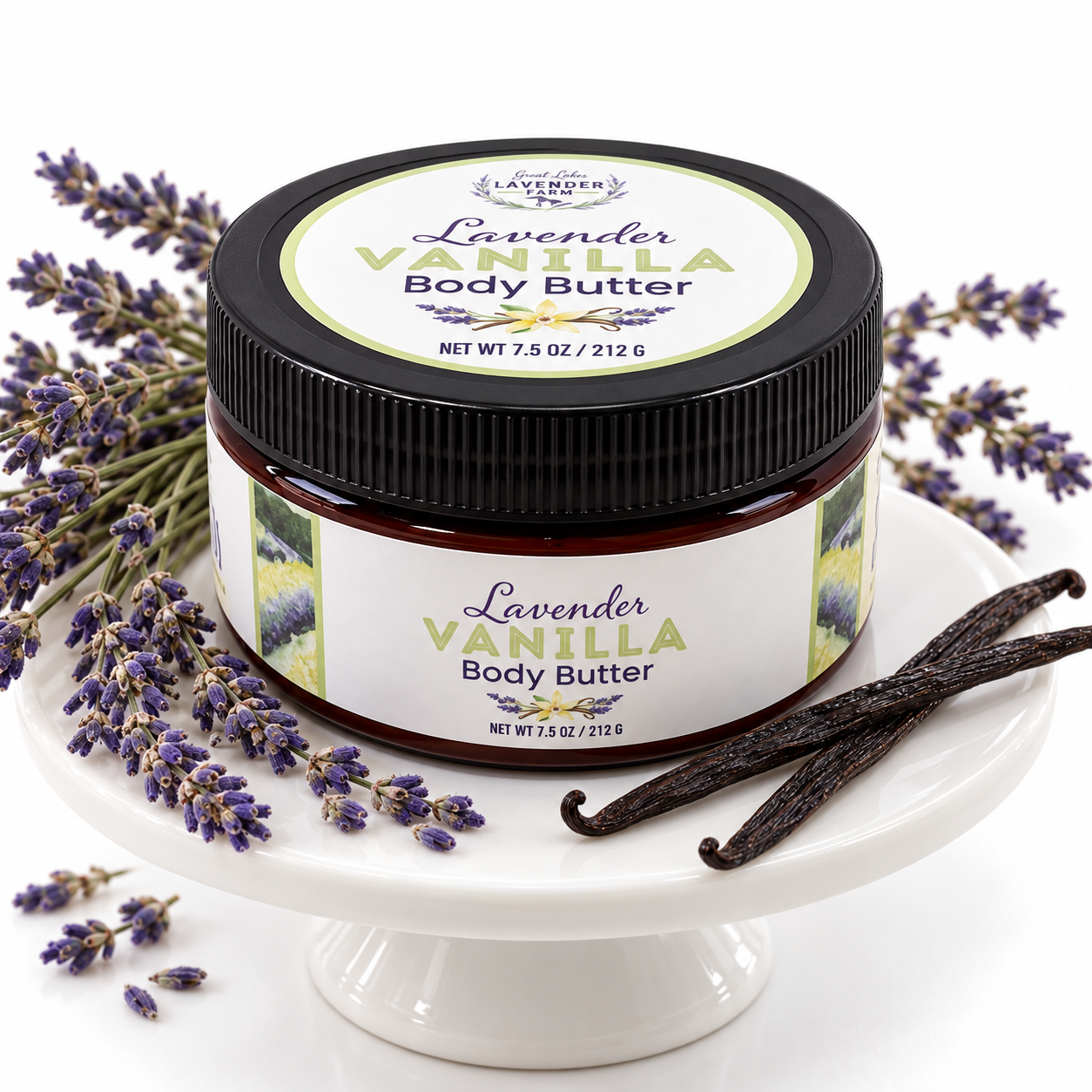
You may also like

Here to help while we’re tending the farm