


When it arrives
Your plug tray
Pot 20-cell plugs into 6-inch pots of rich mix and keep warm (above 60°F) and moist until frost has passed, then plant out. Cold nights stall growth.
Welcome back.
Forecasts can change. We check destination weather again before live plants leave the farm. Non-plant lavender goods continue shipping normally.
Real dishes from our Field Notes recipes, shared by the people who made them.
Your reaction votes in that category and also adds one equal point to the photo's overall Lavender Crown total.
Category accolades: the photo leading each emoji earns that badge; one photo can earn several. Overall Lavender Crown: all four emoji counts combine, and the highest monthly total wins. Monthly counts restart, but approved photos stay enrolled. Cultivar-confidence votes are separate.
 Lavender companion · grow guide
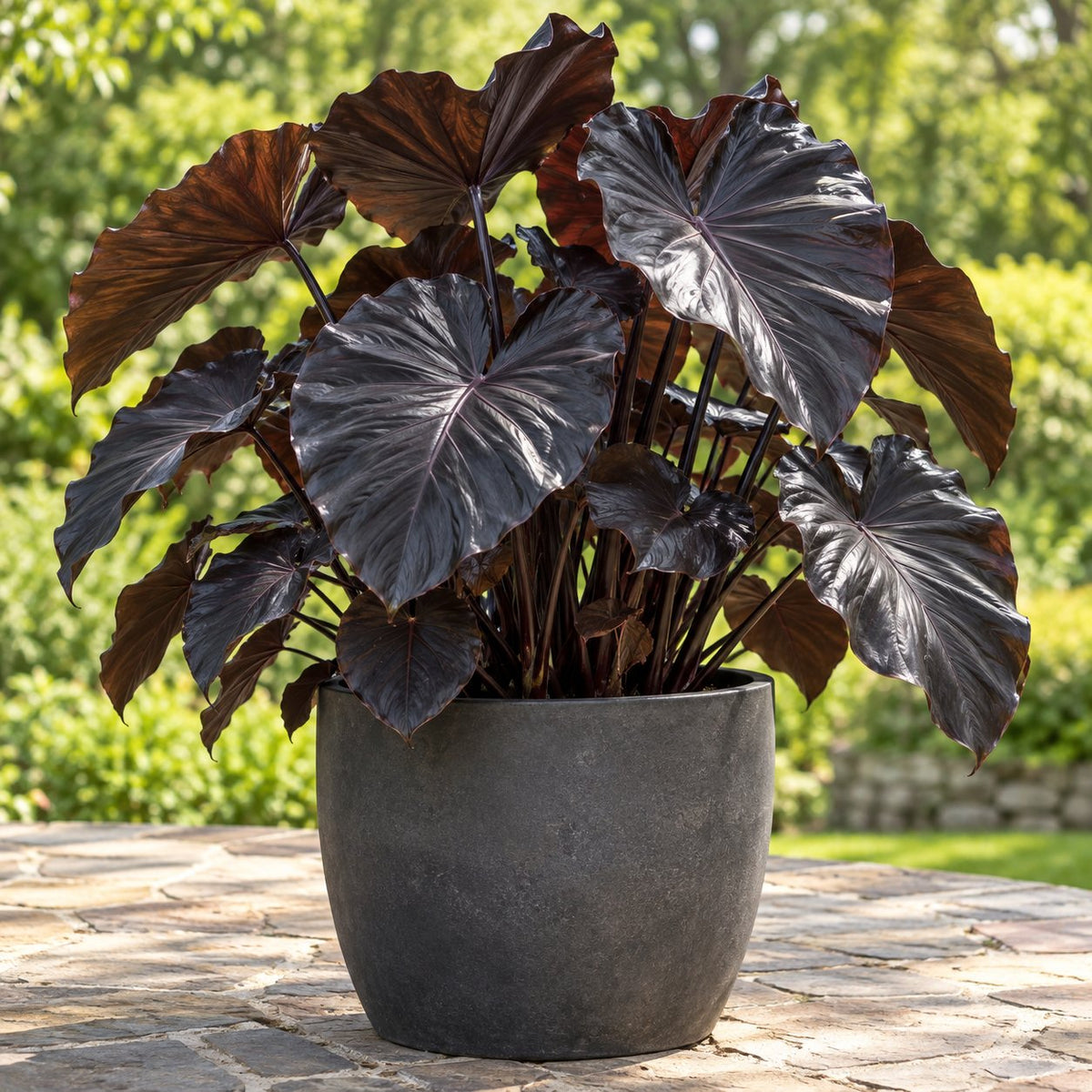
Elephant Ear · Colocasia esculenta
Elephant ears are tropical plants that want heat, constant moisture and rich soil. In Michigan (and anywhere colder than zone 8) treat them as summer plants: plant after frost, dig or bring indoors in fall.
Check my zone & planting dates

 Part sunLight
 High waterWet tolerant drainage
 pH 5.5–7.0Soil
 Zones 8a–10bHardiness
 54″ tall66″ wide
 ResistantDeer · rabbits resistant
 Toxic to petsPets

Huckleberry saysTell me where you grow and I’ll check if Distant Memory will thrive there.

Hardy in zones 8a–10b
After all frost danger, once soil and nights are warm, usually late May to early June in Michigan.
Your year with Distant Memory
When it arrives
Pot 20-cell plugs into 6-inch pots of rich mix and keep warm (above 60°F) and moist until frost has passed, then plant out. Cold nights stall growth.

After all frost danger, once soil and nights are warm, usually late May to early June in Michigan.

Plant at the same depth the plug grew in its cell, with the top of the root ball just under the soil surface.

3–4 feet apart for C. esculenta types; 4–6 feet for giant C. gigantea.
Fertile, organically rich loam · pH 5.5–7.0
Fix-it tip: Mix in lots of compost. They thrive at pond edges or in boggy spots; never let the soil dry out.
Part sun (tolerates full sun with constant moisture; part shade).
Dark-leaved types color best with some sun. Protect from strong wind, which shreds the big leaves.


Don’t give up on it
Plants grow from tubers and won't push leaves until soil is warm. Overwintered tubers can take several weeks to sprout; start them indoors in April for a head start.

Start stored tubers indoors in April; plant out after frost.
Water and feed often; leaves grow huge in heat.

Dig tubers or move pots indoors after the first frost.
Store tubers dry and above 45°F.

First season: Water often to keep soil constantly moist, especially in heat.
After that: Keep moist to wet all season; they are heavy drinkers.

Heavy feeders. Feed with a balanced fertilizer every 2–4 weeks during the growing season.

Remove yellowed or torn leaves anytime. Cut down after the first frost blackens foliage.

Separate offset tubers when you dig them in fall or before replanting in spring.
Hardy only in zones 8–10. Elsewhere dig tubers after frost, dry briefly, and store in dry peat or shavings above 45°F, or bring pots into a frost-free basement.

Loves heat and humidity; that is when they grow fastest.
 Leaves droop by afternoon
Likely cause: Not enough water in heat
What to do: Water deeply every day in hot weather; mulch
 Torn, shredded leaves
Likely cause: Wind
What to do: Plant in a sheltered spot
 Tubers rot in storage
Likely cause: Too damp or too cold
What to do: Dry tubers first; store in dry peat above 45°F
Drooping, crispy leaves mean too dry; fine webbing and stippled leaves mean spider mites (often from dry conditions).


ASPCA: toxic to dogs, cats and horses (insoluble calcium oxalates); causes mouth pain, swelling, drooling, vomiting and trouble swallowing. Also irritating to people when raw.
Deer: resistant · Rabbits: resistant

Finnegan saysStill not sure what’s wrong? Ask Plant Health — describe it or add a photo.
Good in pots · 10 gallon+
Excellent in large pots or water gardens; water daily in summer. Giant types need the biggest pots.

Overwinter only
Bring pots indoors before frost to a bright window or store dormant in a frost-free basement.
No chill needed
Tropical plant; no cold period needed.
Plugs from the tray 3–4 inch pots for 3–5 weeks, until roots hold the soil
Garden bed or a 10 gallon pot
3–4 inch pots for 3–5 weeks, until roots hold the soil
Garden bed or a 10 gallon potTime to move up? Slide the plant out: if white roots wrap the outside of the soil, it’s ready for the next size.
Planting with lavender
Give it its own spot
Grow elephant ears in a wet, rich spot or a big pot. They need constant water and heavy feeding, the opposite of lavender's dry, lean bed.
 Community Grower Report
Real results from gardeners who grow it, including how it does beside lavender. Answer only what you have experience with.
Loading community reports…
Overall
recommendation
Optional. The farm reads every tip before it appears on this page.
Grower-sourced information. Results reflect real gardens and farms and vary with climate, soil, plant age and care.
Great Lakes Lavender Farm
Use our evidence-led health checker for a practical recovery plan, staff review, or a second opinion from the Grower Community.
Reviews from growers, gardeners and shoppers.
Plants, lavender products, apparel, gifts and growing supplies.


You may also like

Here to help while we’re tending the farm
