

How to Start a Lavender Farm: A Great Lakes Business Guide
 Save
Save
A field of lavender is one of agriculture's finest publicists. It photographs beautifully, smells expensive and never posts the picture of you repairing irrigation in sleet. Starting a lavender farm can be rewarding, but success comes from treating it as a production and marketing system—not as a purple screensaver with a checking account.
This guide is for growers exploring lavender as a side enterprise, a nursery crop, a value-added business or the foundation of a small farm. It will help you decide what to test before you buy acreage worth of plants.
Decide which lavender farm you are building
"Lavender farm" can describe several businesses with very different plant choices, licenses, equipment and labor peaks:
- A nursery selling 3-inch plugs, 4-inch pots, 1-gallon plants, trays or bare-root stock.
- A cut-flower operation selling fresh and dried bundles.
- An essential-oil and hydrosol producer with distillation capacity.
- A culinary grower working under applicable food-safety and processing rules.
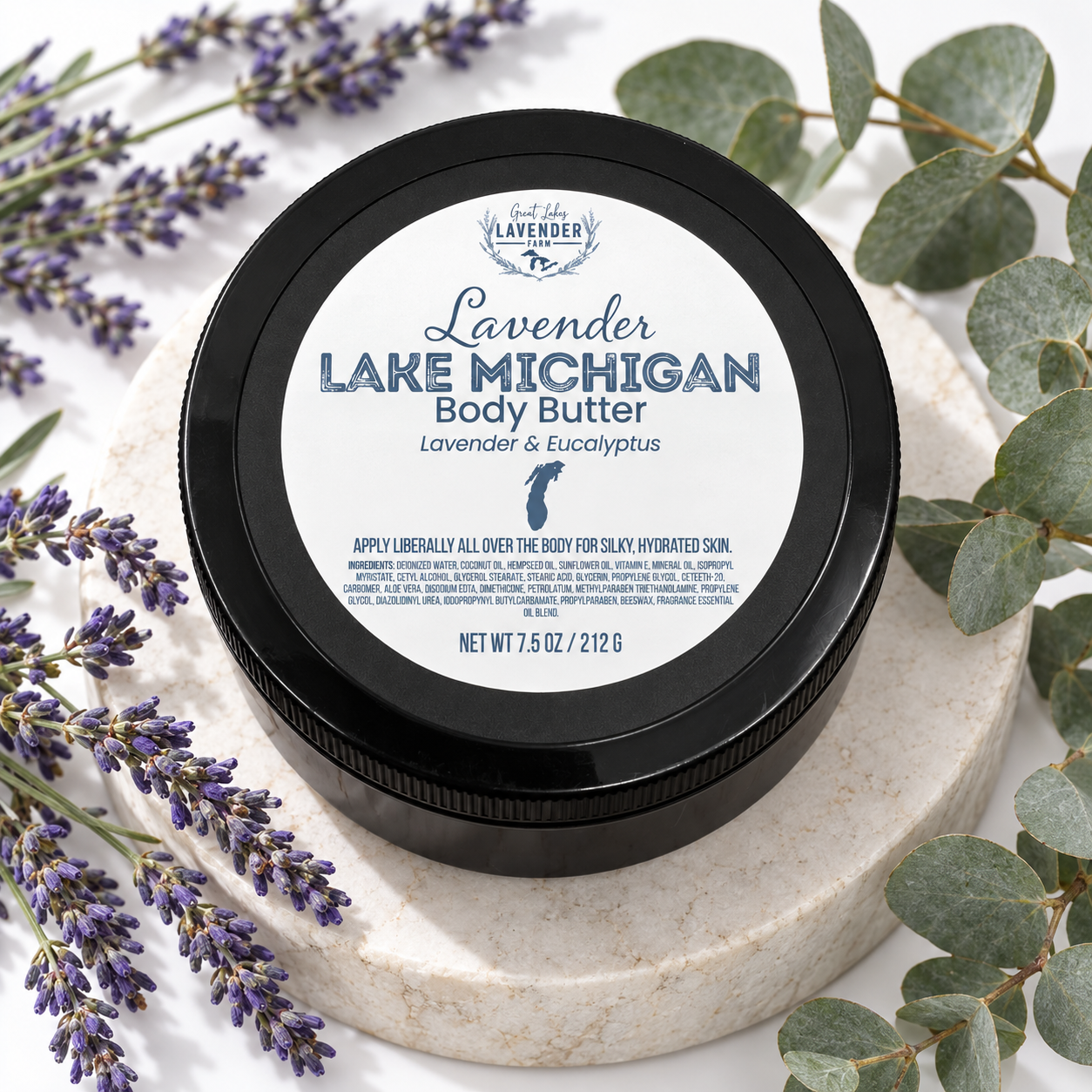
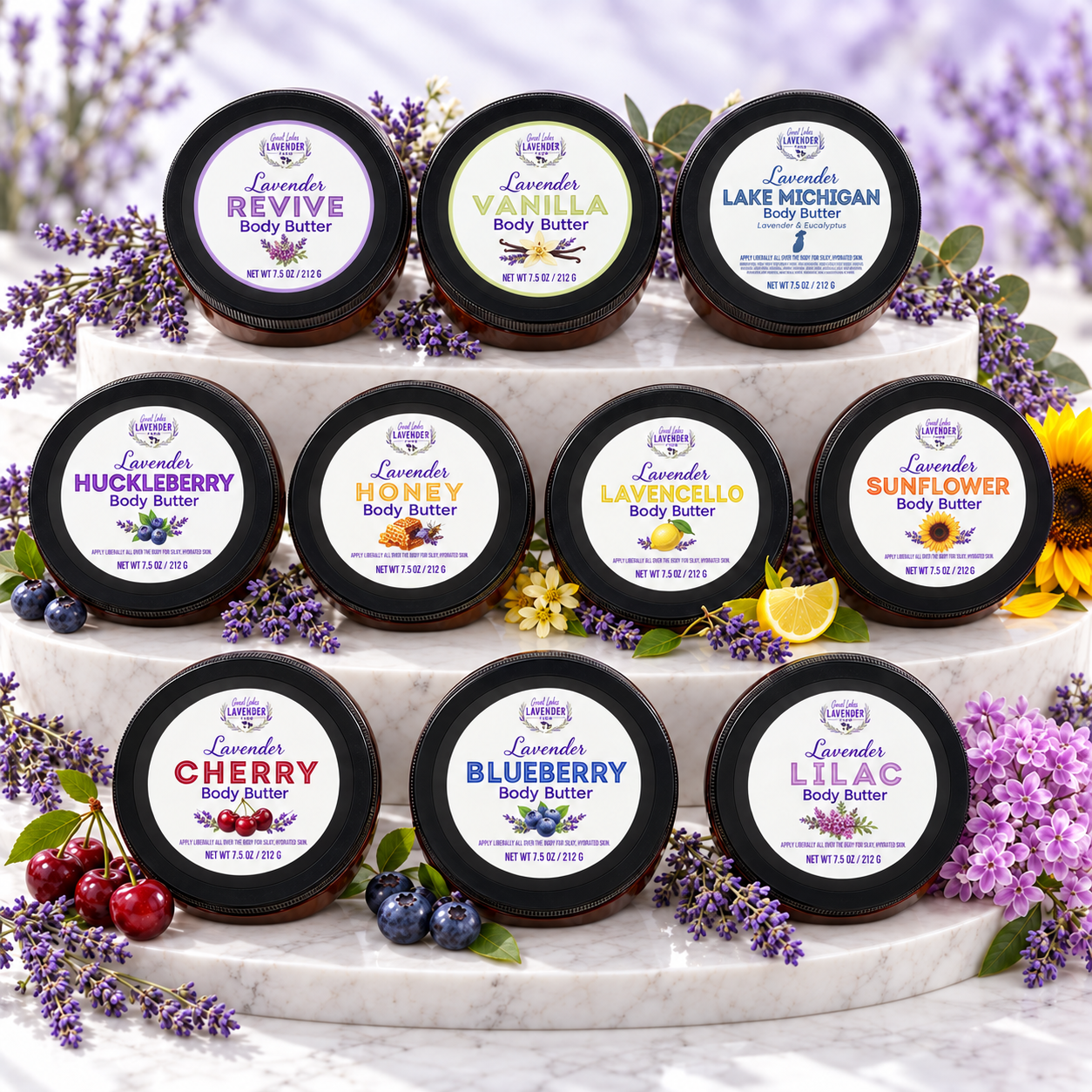
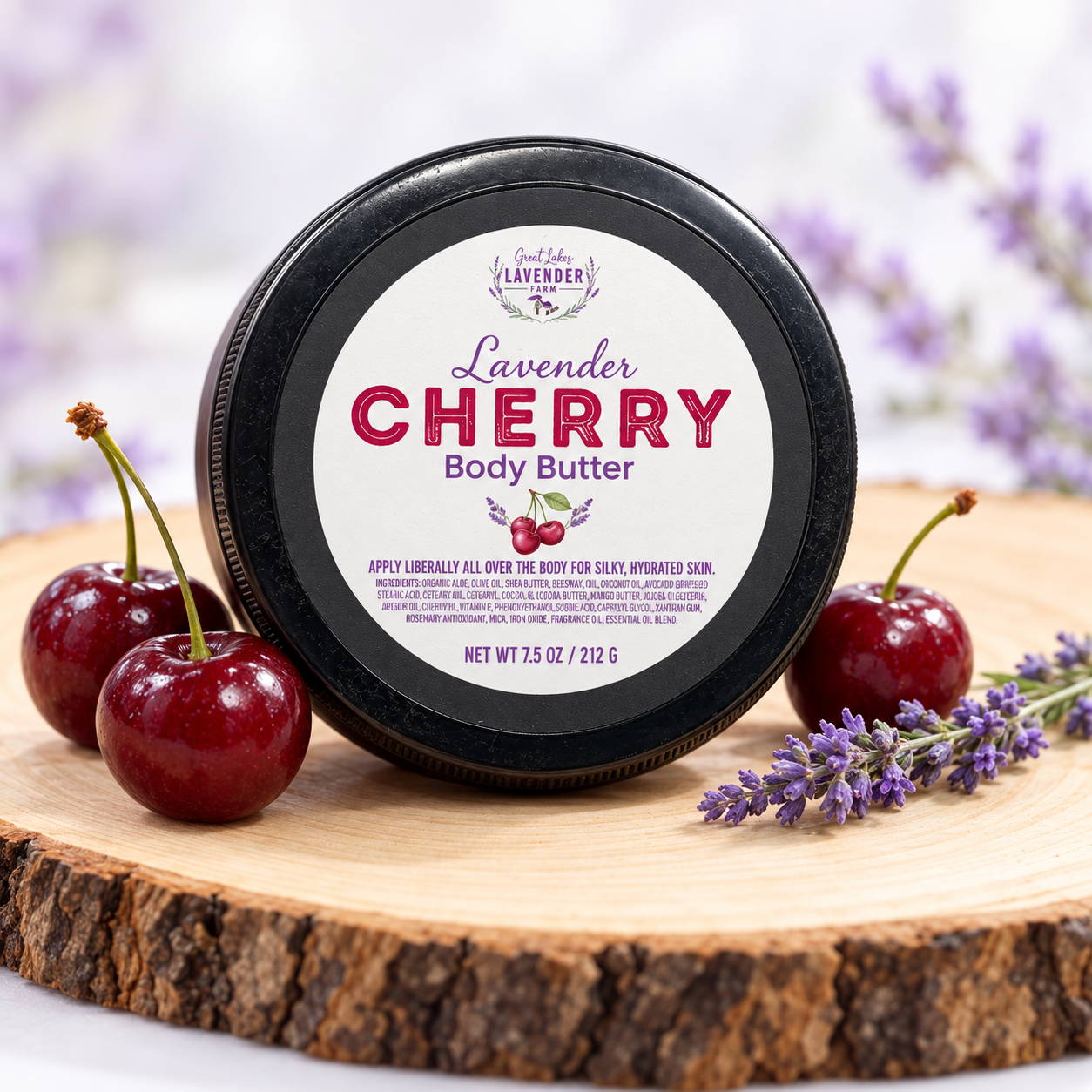
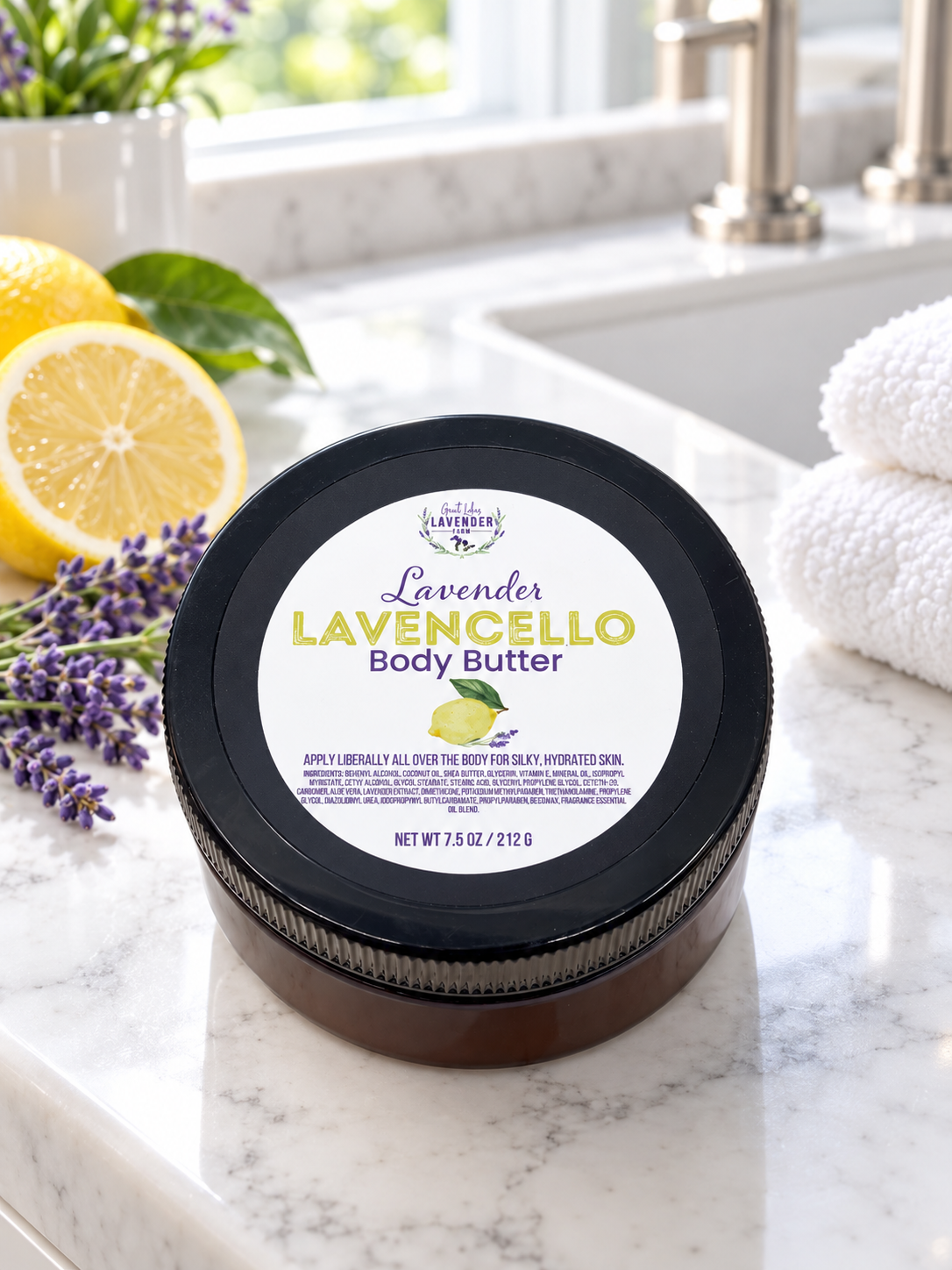
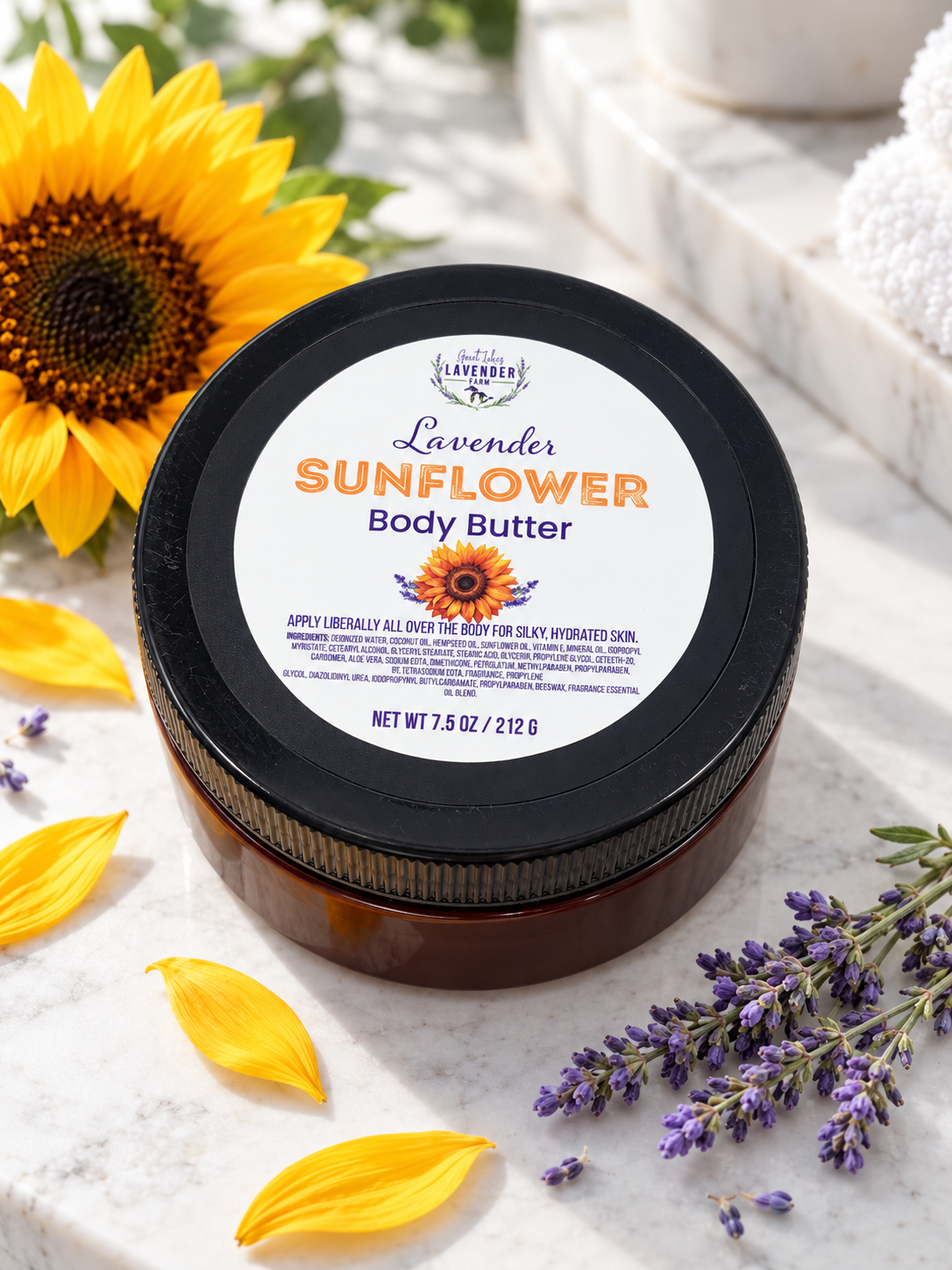
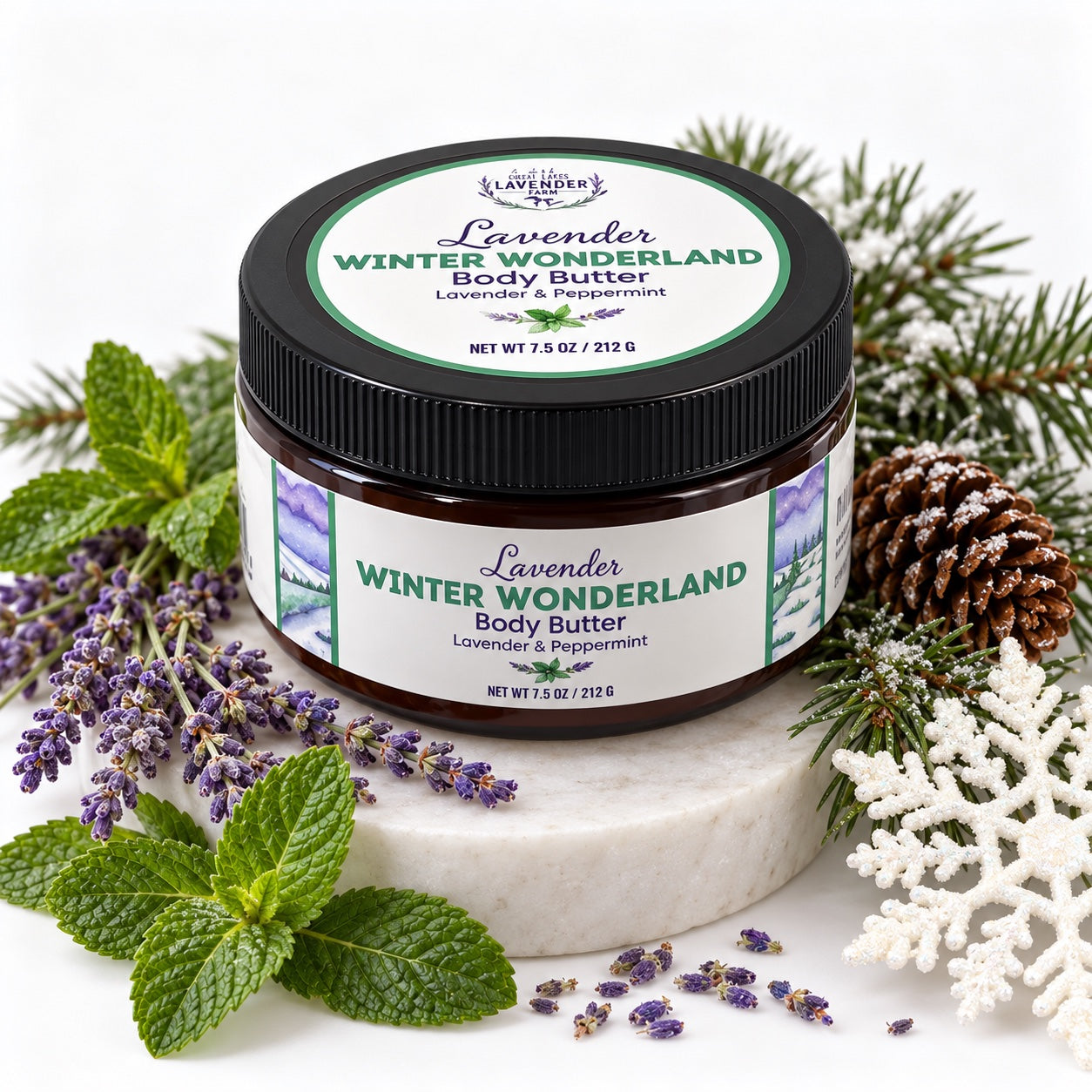
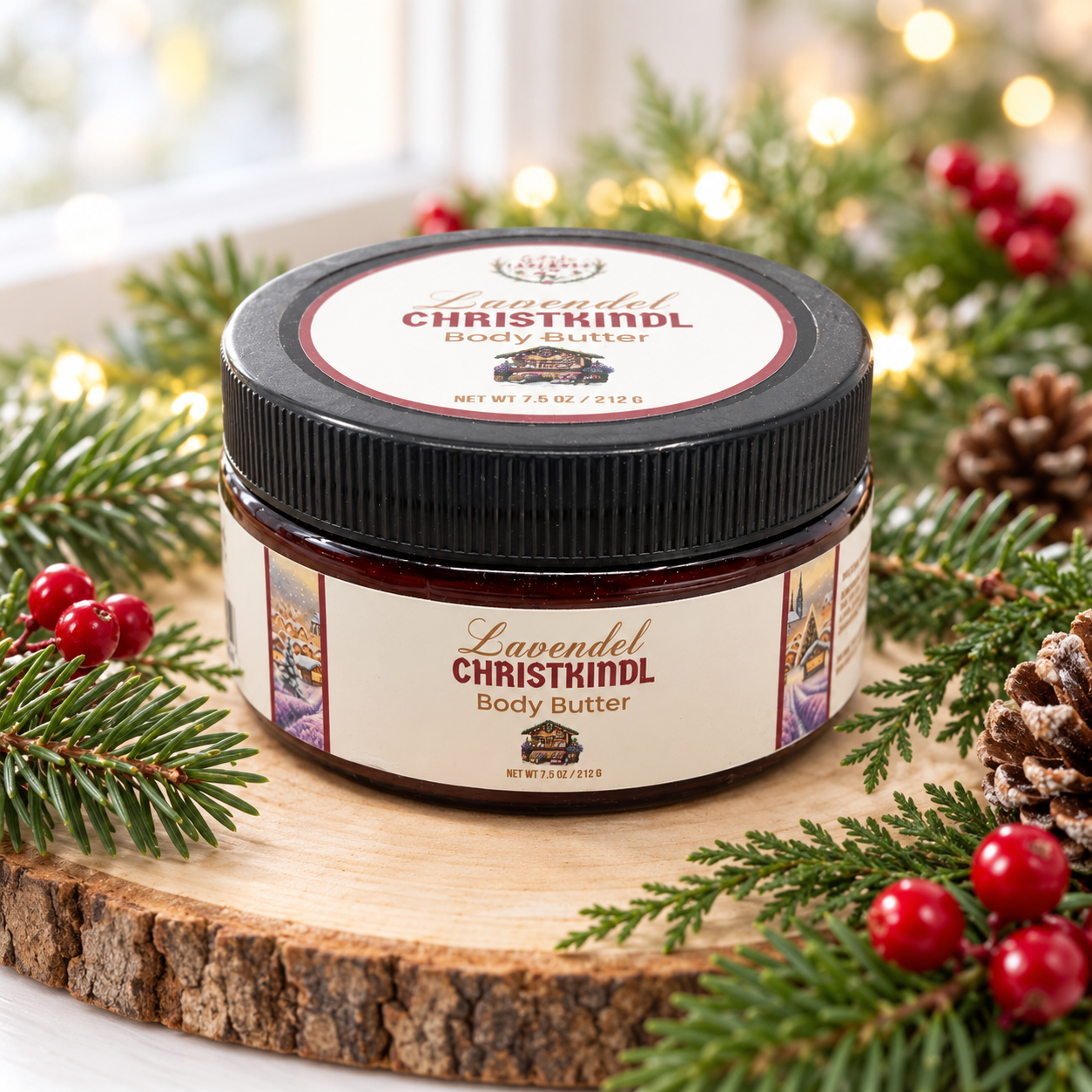
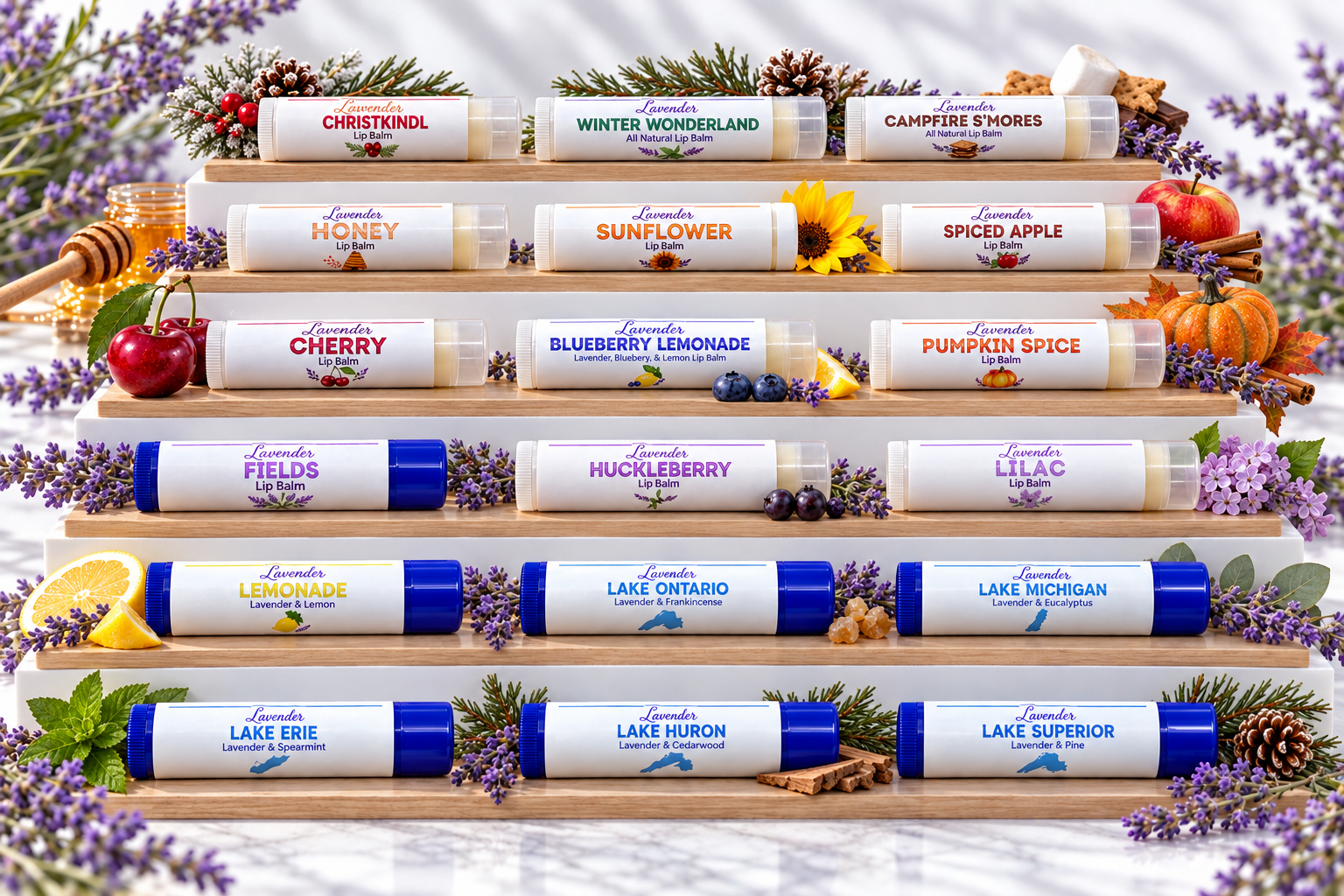
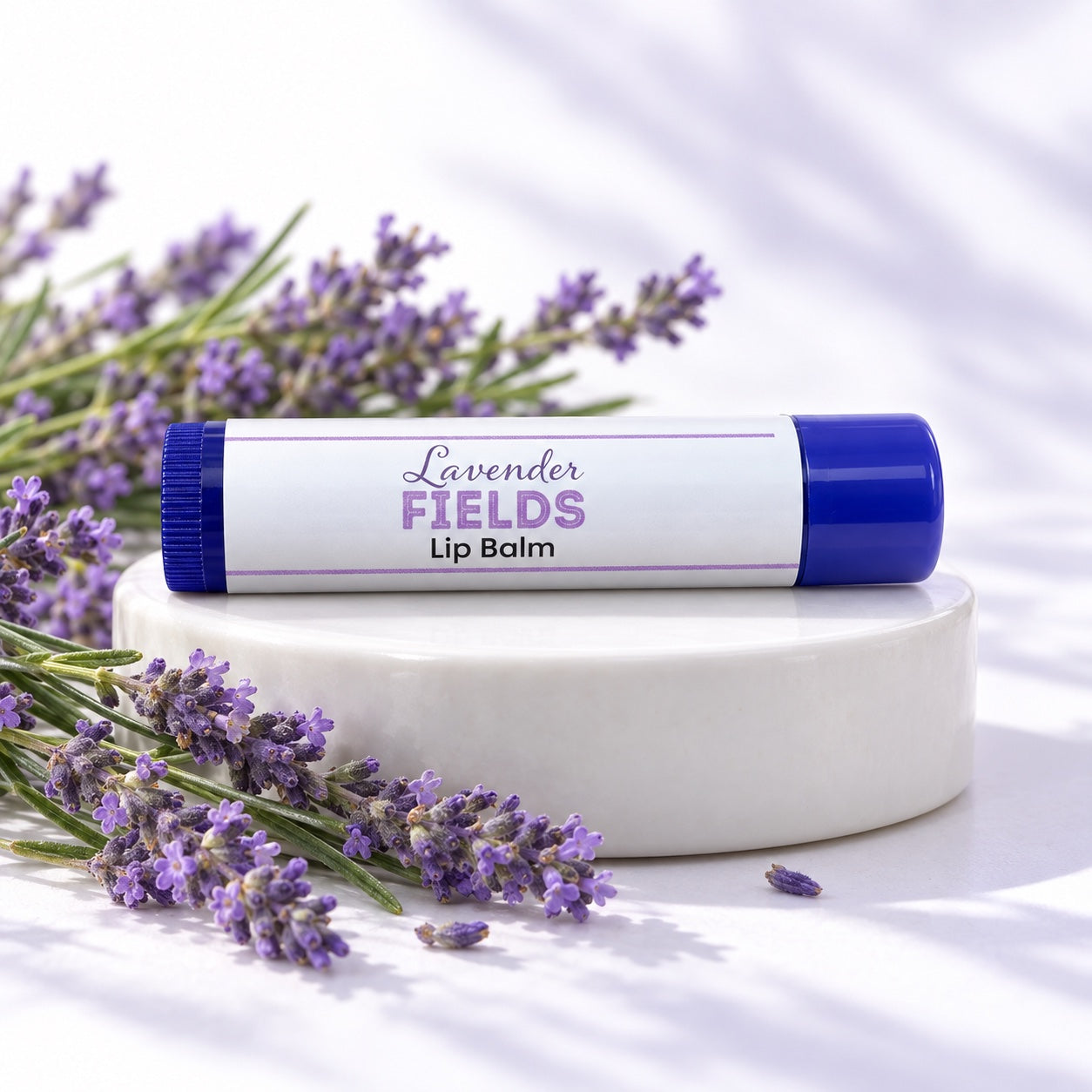
- A maker selling soaps, body care, home fragrance, gifts and seasonal products.
- A wholesale supplier serving garden centers, farms or private-label retailers.
- An agritourism farm offering scheduled events, classes or U-cut experiences.
Each path can work. Trying to launch all seven at once is less a strategy than a very fragrant emergency. Select one primary model, one secondary use for material that misses the primary grade and a modest test for future expansion.
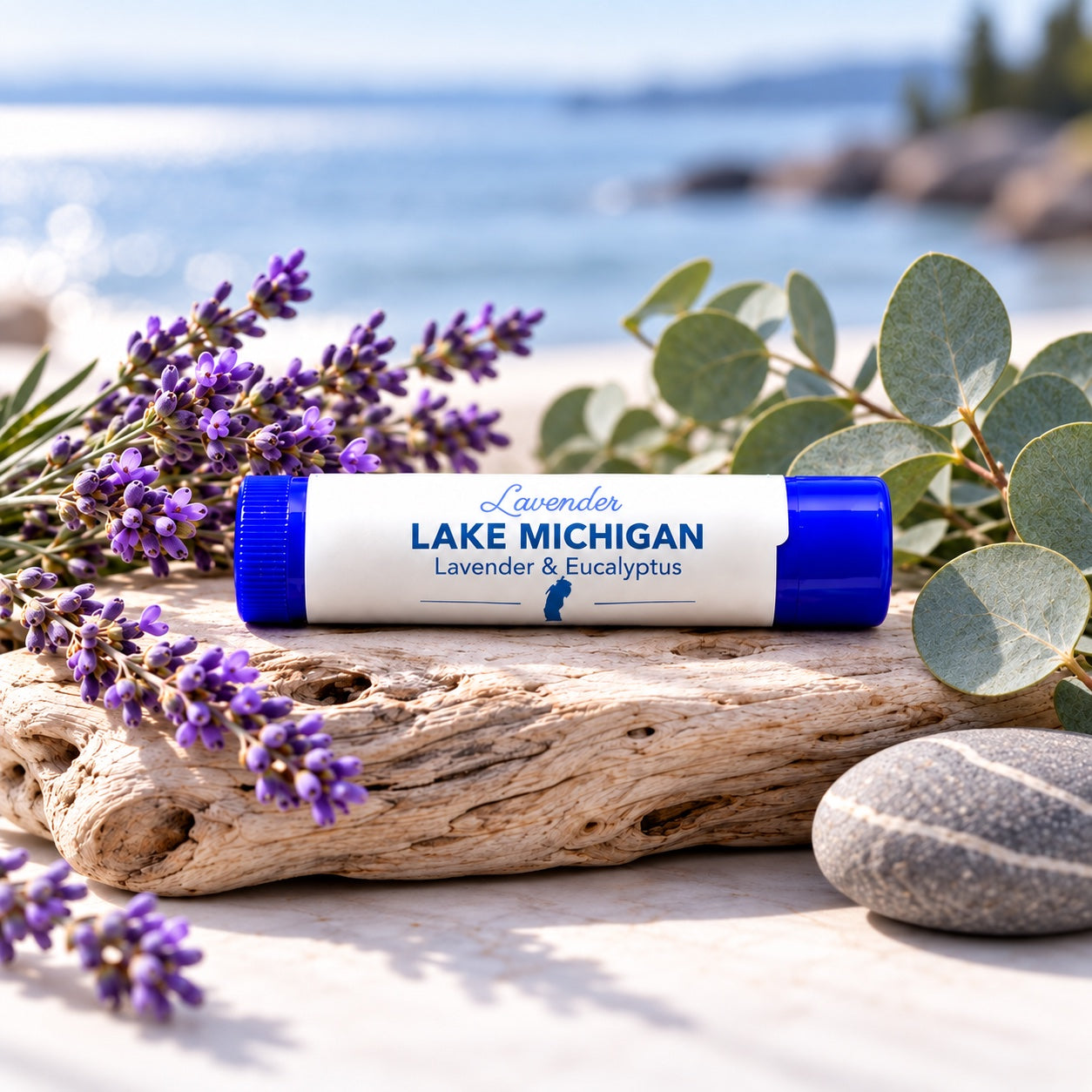
Great Lakes Lavender Farm demonstrates a diversified model: live lavender and companion plants, retail and wholesale plant formats, dried lavender, essential oils, Great Lakes-inspired personal care and home fragrance, gifts, culinary products where eligible, custom and private-label work, events and digital grower tools. The lesson is not that every new farm needs the same catalog. The lesson is that diversification should be built in deliberate layers.
Validate the market before planting the field
Talk with the people who would buy your crop: florists, farm-market customers, garden centers, wedding designers, makers, chefs, online shoppers and other farms. Ask what form, quantity, quality, season and price they actually buy. "I love lavender" is encouragement. A repeatable order is demand.
Build a simple sales model by channel. Include packaging, card fees, market fees, shipping supplies, wholesale discounts, product loss and the hours required to turn stems into revenue. For agritourism, include parking, insurance, sanitation, staffing, accessibility, signage and weather cancellation—not merely the delightful sentence "people will come."
Use a pilot season to test:
- Which products sell without a long explanation.
- Which cultivars create the stem, oil, color or plant habit the market wants.
- What customers buy together.
- What work happens in the same week.
- What can be sold when fresh harvest is unavailable.
Prove the site
Lavender wants full sun, free-draining soil and air movement. In the Great Lakes region, winter wetness and freeze-thaw cycles can be more damaging than a single low temperature. Obtain a laboratory soil test, examine drainage after heavy rain and during thaw, and record shade, wind and frost pockets.
Michigan State University Extension cites sandy loam, good drainage and a pH around 6.5 to 8 as favorable. Correct pH according to the test. Do not fertilize by folklore. Too much nitrogen can produce soft growth that looks impressive until disease, lodging or winter arrives to conduct the performance review.
If heavy ground remains wet, compare the cost of raised rows, berms and drainage with the cost of using a better site or producing in containers. The correct answer is site-specific, which is why the Field Planner and a physical trial block belong before the full order.
Build a cultivar portfolio, not a popularity contest
Choose cultivars by role:
- Compact Lavandula angustifolia types can fit borders, pots, culinary programs and earlier harvest windows.
- Lavandins such as 'Grosso' and 'Phenomenal' offer larger plants, long stems and strong production potential for bundles and distillation.
- Distinct colors such as the pale pink flowers of 'Melissa' create premium landscape and bouquet interest.
- Repeat-blooming selections such as Buena Vista or Irene Doyle/Two Seasons can extend visual and harvest interest under suitable conditions.
Use the USDA Zone Finder as the first screen, not the last word. Compare mature size, bloom timing, intended use, flower color, fragrance and listing-specific hardiness in the Compare tool. A cultivar that performs magnificently for a dry western grower may respond differently to humid summers and winter saturation.
Plant several cultivars in labeled blocks. Record survival, bloom date, stem length, disease pressure, harvest speed, fresh and dried quality, oil characteristics if distilled, and customer response. The winning cultivar is the one that fits your field and market, not the one with the loudest adjective.
Choose the right starting material
Great Lakes Lavender Farm offers small plugs, deep-cell plugs, retail pots, 1-gallon plants and bare root. Smaller material lowers the plant cost per acre but increases finishing and establishment demands. Larger plants provide faster visual impact and more root volume but cost more to purchase, ship and install.
Commercial minimums currently include two 72-cell trays, three 20-cell trays, and 75 bare-root plants per variety in multiples of 25. Bare-root plants are two-plus years old with roots at least about 6.25 inches; spring is their shipping and planting season. The live Wholesale Hub should control current availability, pricing, eligibility and lead times.
Build losses and replacements into the budget. Even excellent stock cannot correct standing water, missed irrigation, late planting or a cultivar-site mismatch.
Budget the entire production chain
At minimum, price these categories before expanding:
- Site work: soil tests, drainage, beds, erosion control and access.
- Plants: trial material, commercial order, freight and replacements.
- Irrigation: water source, pump, filtration, backflow protection, mainline, zones, emitters and winterization.
- Weed management: fabric, gravel, cultivation, mowing and hand labor.
- Equipment: planting, pruning, harvest, transport, drying and distillation if applicable.
- Processing: licensed space, ingredients, containers, labels, batch records and testing where required.
- Sales: website, photography, markets, displays, samples, insurance, fulfillment and customer service.
- Working capital: the seasons between spending money and earning it.
Lavender can create several revenue streams, but no responsible plan assumes perfect survival, full yield, every weekend of pleasant weather or instant sell-through. Use conservative scenarios. A useful model has an expected case, a wet-winter case and a "the delivery van has opinions" case.
Plan the labor calendar
Lavender concentrates work around propagation or receiving, field planting, weed control, bloom, harvest, drying, distillation, market season and winter preparation. A product catalog adds production, labeling and fulfillment throughout the year.
Map who performs each task, how many plants or bundles can be handled per hour, and which tasks collide. Design row spacing around equipment and crew movement. Provide shaded harvest staging, clean drying airflow and inventory identification. Record cultivar and block at harvest; a pile of purple stems loses its traceability surprisingly fast.
Treat compliance as product design
Licensing and labeling depend on what you sell and where. Plants, food, cosmetics, pesticides, pet products, events and distilled products can fall under different rules. Essential oils and personal-care products should not be marketed as treatments for disease. Culinary lavender must be correctly identified, food-intended and produced without inappropriate pesticide exposure. Consult the applicable state, federal and local authorities before launch.
Shipping is also part of the product. Great Lakes Lavender Farm ships eligible live plants March 1 through May 31 and October 1 through November 30, with bare root March 1 through May 31. Live-plant shipping pauses June 1 through September 30. Destination and weather rules can change fulfillment choices, while arranged local pickup remains available Wednesday and Friday, 10:00 a.m. to 3:00 p.m. Eastern, when eligible.
Use a staged launch
Stage 1: Learn
Use the Lavender Farm Simulator, Care Academy and Grower Community to explore production decisions. Test soil, interview buyers and build a small cultivar trial.
Stage 2: Prove
Use Field Planner to lay out the pilot. Track labor, losses, yield and sales. Sell a narrow product line and learn what customers request next.
Stage 3: Standardize
Write planting, irrigation, harvest, drying, batch and fulfillment procedures. Decide which work remains in-house and which should be supplied through wholesale or private-label partners.
Stage 4: Expand
Order proven cultivars through the Wholesale Hub, add rows in operationally sensible blocks and introduce new products only when production and demand support them.
A lavender farm should become more truthful each year
The first season gives you a hypothesis. The second gives you comparisons. A few winters give you evidence. Keep field records, product margins, customer feedback and failure notes. Share useful observations in the Grower Community; another farmer may save you from repeating a mistake, and someday you can return the favor.
Start small enough to measure, large enough to learn and organized enough to remember. Lavender farming rewards patience, drainage and the rare entrepreneurial skill of not buying every beautiful plant at once.
Frequently asked questions
How much land do I need to start a lavender farm?
Less than many people assume. A well-designed pilot block can test cultivars, markets and labor before acreage expansion. The right size depends on your business model and equipment.
Is lavender farming profitable?
It can be, especially with direct sales and value-added products, but profitability depends on survival, yield, labor, processing, price and sell-through. Build a farm-specific model instead of relying on national revenue claims.
Which lavender is best for a commercial farm?
There is no universal winner. Choose by climate, drainage, product goal, bloom timing and market. Trial compact English lavenders and larger lavandins in labeled blocks.
Should a new farm buy plugs or larger plants?
Plugs lower unit cost but require more finishing and establishment skill. Larger plants cost more but provide faster presence. Many farms use plugs for acreage and larger plants for demonstrations or replacements.
Keep exploring
- Lavender Farm Simulator
- Field Planner
- Care Academy
- Grower Community
- Compare Cultivars
- Wholesale Hub
- Wholesale Plants and Plugs
- Private Label Lavender Products
- Events

Share how it went in your field