

Product Field NotesLavender Plants
Buena Vista Lavender: Rich Violet Color into Late Summer
 Save
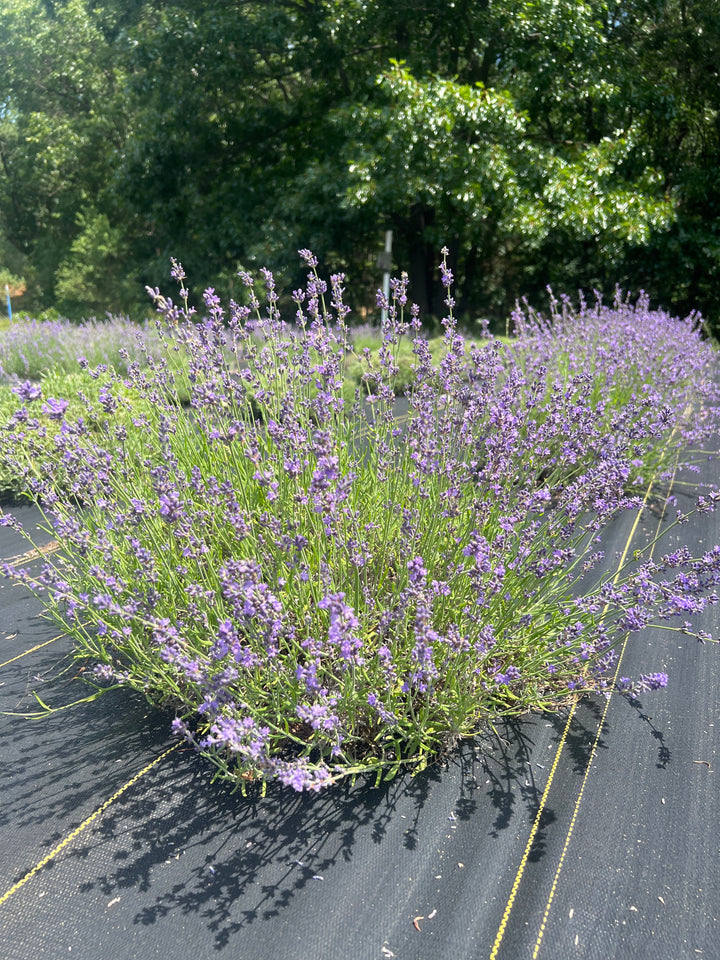
Buena Vista lavender is an English lavender that keeps the color coming after many others have finished. It starts blooming in early July and reaches its peak in mid-August, with rich violet to dark blue-purple flowers on an open, airy, spreading plant. The scent is strong, sweet and floral, with very little camphor.
Botanically it is Lavandula angustifolia 'Buena Vista'. It is a bit larger than many English types, around 30 inches tall and 3 feet wide, which gives it presence in a border or a row.
Buena Vista at a glance
| Trait | What to expect |
|---|---|
| Botanical name | Lavandula angustifolia 'Buena Vista' |
| Flower color | Rich violet to dark blue-purple |
| Foliage | Gray-green |
| Habit | Open, airy and spreading |
| Mature size | About 30 inches tall and 36 inches wide |
| Stems | About 12 inches |
| Bloom | Starts early July, peaks mid-August, moderate rebloom |
| Hardiness | USDA zones 5a to 9b |
| Fragrance | Strong, sweet and floral with low camphor |
Late-season lavender
A lavender garden can look a little tired by August. Buena Vista solves that. Its mid-August peak lands after most English lavenders have been sheared, so planting a few keeps deep color and pollinator traffic going into late summer. Pair it with early-season cultivars and you can stretch the lavender season across most of the summer. The Bloom Calendar helps you build that sequence.
Its open, airy habit has a relaxed, cottage-garden feel rather than a tight dome. That suits informal borders, meadow-style plantings and the edges of a vegetable garden, where it draws in bees. Deer tend to leave it alone.
Planting and care
- Sun and soil: full sun and sharp drainage. Raise beds or rows in heavy soil.
- Spacing: about 3 feet apart. Its airy habit already helps airflow, so do not crowd it.
- Chill: it needs winter cold to bloom well and is among the hardier lavenders.
- Water: deeply during the first season, then only in extended dry spells.
- Feeding: minimal. An open plant grown in rich soil flops quickly.
- Pruning: because it blooms late, shear promptly after the August peak so new growth can harden before cold weather. Stay in leafy growth. See the Pruning Calendar.
Harvest and uses
Buena Vista is rated great for culinary use and excellent for oil suitability, with its best uses listed as oil and fragrance. For the kitchen, harvest buds when colored but before most flowers open, dry them in a shaded, airy spot and use sparingly, from plants grown as a food crop. Its 12-inch stems are a comfortable length for small bundles, and it is rated good for fresh and dried flowers.
Plants, plugs or trays
Buena Vista comes in several formats:
- Plants and plugs: a 3-inch plug, 4-inch pot or 1-gallon pot for home gardens and small plantings.
- 72-cell plug tray: a full tray of young plugs for growers planting rows or potting up their own stock.
- 20-cell plug tray: a smaller tray with deeper cells, a good middle ground for larger plantings.
See each product page for current sizes and availability, and visit the Wholesale Hub for tray orders. If a format is not ready yet, use Notify Me on its page.
Frequently asked questions
When does Buena Vista bloom?
It starts in early July and peaks in mid-August, making it one of the later English lavenders.
Which tray should I choose?
The 72-cell tray gives the most plants for large plantings or potting up. The 20-cell tray holds fewer, larger plugs.
Is it good for cooking?
Yes. As an English lavender with a sweet, low-camphor scent, it is rated great for culinary use.

































Share how it went in your field