

Use & Care NotesCompanion Plants
Grape Crush New England Aster: A Purple Finale After Lavender
 Save
Grape Crush New England aster solves the classic aster complaint. Most New England asters grow tall and flop by fall; Grape Crush forms a large, very round, dense mound and has shown no flopping in trials. In September the entire surface is packed with rich dark purple daisies, each with a golden center, until the plant looks like a dome of deep purple dotted with gold.
For a lavender grower, that means the garden's signature color returns in fall, long after the last bundles have been hung to dry.
Grape Crush at a glance
| Trait | What to expect |
|---|---|
| Botanical name | Symphyotrichum novae-angliae 'Grape Crush' |
| Flowers | Rich dark purple with golden centers, 1 to 1.5 inches |
| Foliage | Narrow, dark green |
| Size | 26 to 30 inches tall, 40 to 44 inches wide |
| Bloom | Starts early September, peaks late September |
| Hardiness | USDA zones 3 to 8 |
| Light | Full sun |
| Wildlife | Excellent late-season food for bees and butterflies |
Carrying the purple theme into fall
A lavender garden is purple in June and July, and then the color fades. Grape Crush brings it back in September. Plant it in a sunny border next to the lavender beds, amended with compost and on a regular watering schedule, and the view across both beds stays purple from early summer to fall. Because it grows more than 3 feet wide, give it room at the back or end of a border. It also suits prairie plantings, rain gardens and large containers. Sketch the layout in the Companion Plant Planner.
Why the bees care
By September, many pollinators are running short of flowers. Asters are one of the most important late-season food sources for bees and butterflies, and a mound this dense offers a lot of food in one spot. If you keep bees, it is a plant worth adding near the hives.
Planting and care
- Soil: fertile and moisture-retentive. Drought stress browns and drops the lower leaves.
- Water: water during dry spells, especially in late summer as buds form.
- No pinching: its compact habit means you can skip the pinching many asters need.
- Mildew: powdery mildew is common on New England asters in humid late summers. Full sun and good spacing help.
- Dividing: every few years in spring to keep plants vigorous.
Winter and cutting
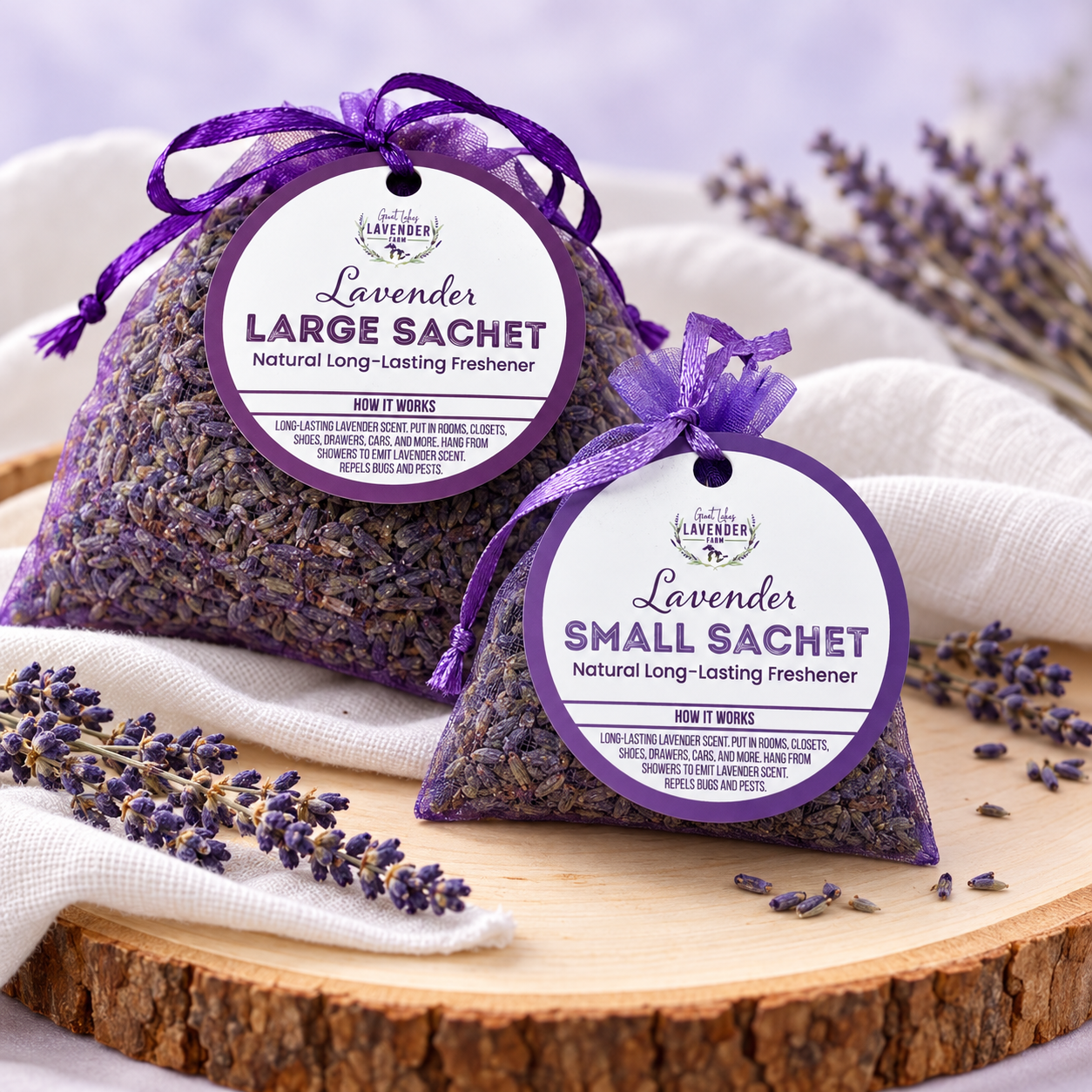
Grape Crush is very hardy in Michigan. Cut it back after frost, or leave the stems standing for winter interest and bird cover, then cut in early spring. The flowers are good for cutting, and a fall bouquet of dark purple asters with dried lavender from summer ties the two seasons together nicely. Deer do like asters, so protect plants in open yards.
Frequently asked questions
Will it flop like other New England asters?
It has shown no flopping in trials thanks to its compact, round habit.
How is it offered?
As a full 72-cell plug tray for growers and large plantings, and as a bare root plant for home gardens. See each product page for current availability.




Share how it went in your field