

Use & Care NotesLavender Plants
Super Lavender: A Vigorous Lavandin for Rows, Oil and Bundles
 Save
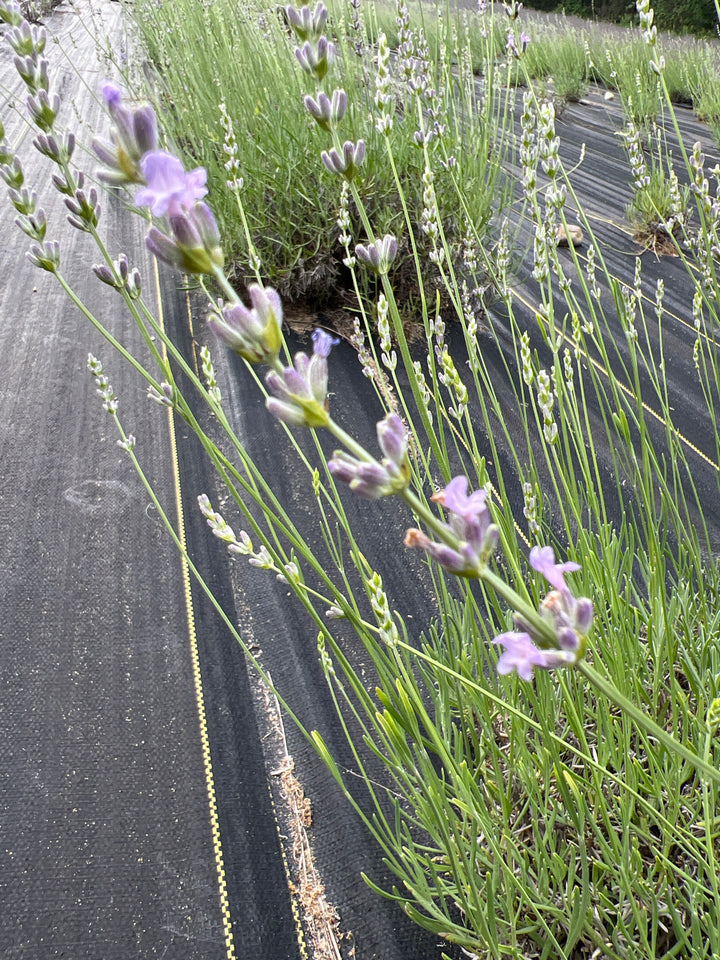
Super lavender lives up to its name in size and vigor. It is a large, rounded, evergreen lavandin, about three feet tall and wide, with gray-green foliage and light violet to light bluish-purple spikes. Its scent is sweet and floral, softer and more true-lavender-like than many lavandins, with a moderate fresh camphor note.
As Lavandula × intermedia 'Super', it is a hybrid of English and spike lavender, and it carries excellent ratings for oil, cut stems, dried flowers and commercial fields. That makes it as useful to someone planting a few rows as to a home gardener who wants a big lavender shrub.
Super lavender at a glance
| Trait | What to expect |
|---|---|
| Botanical name | Lavandula × intermedia 'Super' |
| Flower color | Light violet to light bluish-purple |
| Foliage | Gray-green, evergreen |
| Size | About 36 inches tall and 36 inches wide |
| Bloom | Starts mid-June, peaks early August, single main flush |
| Hardiness | USDA zones 5a to 9b |
| Fragrance | Strong, sweet lavandin with moderate camphor |
| Best uses | Essential oil, fragrance, fresh bouquets, dried flowers, U-pick |
Why Super earns field space
A lavandin's big frame usually means more stems and more oil per plant than an English lavender, and Super is rated excellent for high oil production. It is also rated excellent for fresh and dried flowers and for large bundles, so the same row can supply oil, dried bunches and fresh stems. The light violet color dries to a soft, even tone that suits wreaths and wrapped bunches.
In a home garden, think of it as a substantial evergreen shrub. One plant fills a corner; three in a triangle make a fragrant hedge. Bees rate it excellent and deer usually skip it.
Planting and spacing
Full sun and sharp drainage are non-negotiable. Space plants about three feet apart in beds. In rows, allow a comfortable walking path between rows for harvest. On heavy ground, plant on raised rows or berms with grit worked in. Set the crown level with the soil and water deeply until the plants root out.
Care and pruning
- First season: water whenever the top few inches are dry. Plugs need closer attention than gallon plants.
- Established plants: low water needs; extra water does more harm than good.
- Pruning: after harvest, shear the whole plant into a rounded dome, leaving a few inches of green above the wood. Rebloom is low, so this one cut is the main job each year.
- Winter: Super needs winter chill to bloom well. Keep heavy wet mulch off the crown.
The Pruning Calendar covers lavandin timing.
Harvest timing
For dried bundles, cut when buds are fully colored and only a few flowers are open. For oil, growers usually wait until more of each spike is in bloom. Fresh bouquets can be cut whenever the spikes look full. Lavandin is stronger and more camphor-forward in flavor than English lavender; most bakers prefer English types, and anyone experimenting with Super should use food-grown buds sparingly.
Plants, plugs and trays
Super is offered as individual 3-inch plugs, 4-inch pots and 1-gallon pots, plus a 72-cell plug tray and a deep 20-cell plug tray for growers. Trays suit anyone planting rows or potting up their own stock; the deeper 20-cell plugs go into the field with a larger root system. See each product page for current availability, and the Wholesale Hub for tray orders.
Frequently asked questions
Is Super a good lavender for oil?
Yes. It is rated excellent for essential oil and high oil production.
When does it bloom?
It starts in mid-June and peaks in early August, with one main flush.
Which tray should I choose?
The 72-cell tray gives the most plants per tray. The 20-cell tray has deeper, larger plugs that are a little more forgiving at planting time.
















Share how it went in your field