

 Open in the Field Guide
We all need a Savior
“For all have sinned and fall short of the glory of God.”
Romans 3:23 (BSB)
None of us can earn our way to God by being good enough. We all need mercy.
 Field Guide · Plants and flowers
Casuarina equisetifolia

Its pollen may trigger allergies in some people.
Beach sheoak is an evergreen tree native to coastal areas from India and Southeast Asia to Australia, New Guinea, and the western Pacific. It grows on sandy shores and dunes, and also occurs along rivers and in other coastal habitats.
 How to recognize it
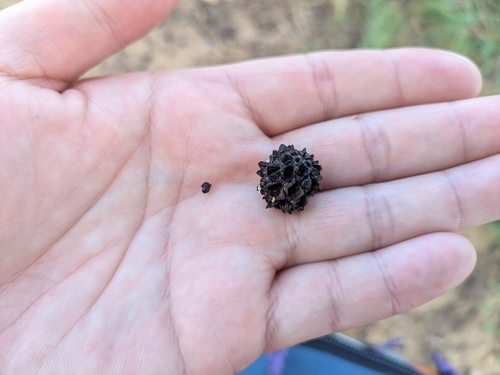
Look for long, drooping, green branchlets with tiny scale-like leaves arranged around their joints, usually in groups of seven or eight; this leaf count helps distinguish it from related she-oaks, though it can overlap with some of them. Its small, woody, cone-like fruit contains winged seeds.
 When to see it
Beach Sheoak is seen most often in Jan, Feb, Mar, Apr, May, Jun, Jul, Aug, Sep, Oct, Nov, Dec. There are 19816 public records of it worldwide.
 Questions
It’s seen most often in Jan, Feb, Mar, Apr, May, Jun, Jul, Aug, Sep, Oct, Nov, Dec.
Look for long, drooping, green branchlets with tiny scale-like leaves arranged around their joints, usually in groups of seven or eight; this leaf count helps distinguish it from related she-oaks, though it can overlap with some of them. Its small, woody, cone-like fruit contains winged seeds.
Its pollen may trigger allergies in some people.















You may also like

Here to help while we’re tending the farm