

 Open in the Field Guide
We all need a Savior
“For all have sinned and fall short of the glory of God.”
Romans 3:23 (BSB)
None of us can earn our way to God by being good enough. We all need mercy.
 Field Guide · Pollinators
Lymantria monacha

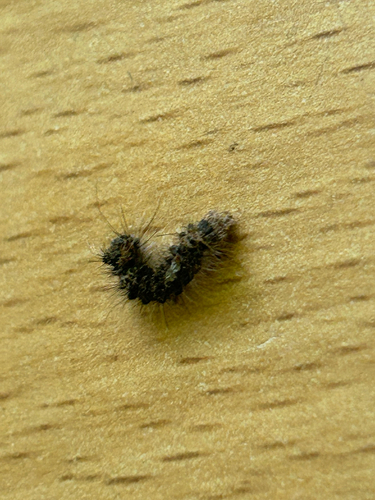
Avoid handling the hairy caterpillars, as their hairs may irritate skin.
The Black Arches, also called the nun moth, is a moth native to Europe and parts of Asia. Its caterpillars feed on many kinds of trees, especially conifers, in forest habitats, and can become forest pests during outbreaks.
 How to recognize it
It has white forewings marked with bold black lines and patches; unlike the spongy moth (Lymantria dispar), both sexes have this strongly patterned look. The other listed Lymantria species can be difficult to distinguish without a close view or expert identification.
 When to see it
Black Arches is seen most often in Jul, Aug. There are 114388 public records of it worldwide.
 Questions
It’s seen most often in Jul, Aug.
It has white forewings marked with bold black lines and patches; unlike the spongy moth (Lymantria dispar), both sexes have this strongly patterned look. The other listed Lymantria species can be difficult to distinguish without a close view or expert identification.
Avoid handling the hairy caterpillars, as their hairs may irritate skin.















You may also like

Here to help while we’re tending the farm