

 Open in the Field Guide
We all need a Savior
“For all have sinned and fall short of the glory of God.”
Romans 3:23 (BSB)
None of us can earn our way to God by being good enough. We all need mercy.
 Field Guide · Mushrooms
Abortiporus biennis

Do not eat it; it is not regarded as an edible mushroom, and wild fungi can be easy to misidentify.
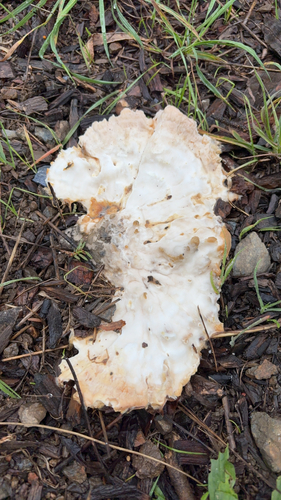
The blushing rosette is a wood-decaying polypore found in North America and other temperate regions. It grows from buried roots, stumps, or the bases of trees, especially hardwoods.
 How to recognize it
It forms irregular, lobed rosettes or brackets that are cream to tan, with a pore-covered underside that often stains reddish when bruised. These traits help distinguish it from the other listed species, though close identification may require an expert.
 When to see it
Blushing Rosette is seen most often in Sep, Oct. There are 13950 public records of it worldwide.
 Questions
It’s seen most often in Sep, Oct.
It forms irregular, lobed rosettes or brackets that are cream to tan, with a pore-covered underside that often stains reddish when bruised. These traits help distinguish it from the other listed species, though close identification may require an expert.
Do not eat it; it is not regarded as an edible mushroom, and wild fungi can be easy to misidentify.















You may also like

Here to help while we’re tending the farm