

 Open in the Field Guide
We all need a Savior
“For all have sinned and fall short of the glory of God.”
Romans 3:23 (BSB)
None of us can earn our way to God by being good enough. We all need mercy.
 Field Guide · Plants and flowers
Prunus virginiana

Do not eat the pits, leaves, or other parts of the plant, which contain compounds that can release cyanide.
Chokecherry is a shrub or small tree native to much of North America. It grows in open woods, woodland edges, and along roadsides and streams.
 How to recognize it
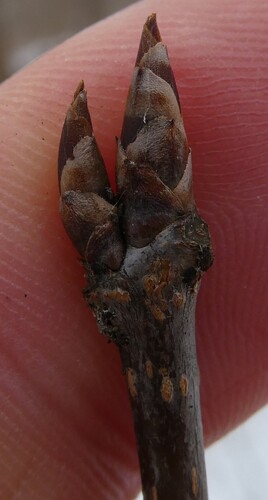
Look for finely toothed leaves and long clusters of small flowers or dark fruit. Its fruit is much smaller than sweet cherry fruit, and it lacks the thorny branches typical of blackthorn; the clusters can resemble those of other bird cherries, so location may help distinguish them.
 When to see it
Choke Cherry is seen most often in May, Jun. There are 69417 public records of it worldwide.
 Questions
It’s seen most often in May, Jun.
Look for finely toothed leaves and long clusters of small flowers or dark fruit. Its fruit is much smaller than sweet cherry fruit, and it lacks the thorny branches typical of blackthorn; the clusters can resemble those of other bird cherries, so location may help distinguish them.
Do not eat the pits, leaves, or other parts of the plant, which contain compounds that can release cyanide.















You may also like

Here to help while we’re tending the farm