

 Open in the Field Guide
We all need a Savior
“For all have sinned and fall short of the glory of God.”
Romans 3:23 (BSB)
None of us can earn our way to God by being good enough. We all need mercy.
 Field Guide · Plants and flowers
Coronilla varia

Crownvetch can poison livestock if eaten, so keep grazing animals away from it.
Crownvetch is a creeping perennial legume native to Europe and parts of Asia. It was planted for erosion control and now grows along roadsides and in other disturbed places across North America, where it can become invasive.
 How to recognize it
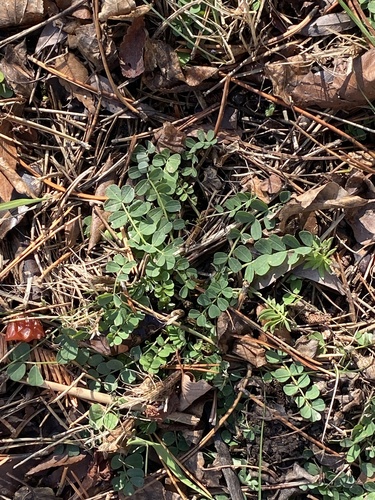
Look for sprawling stems, leaves made up of many pairs of small leaflets, and rounded clusters of pink-and-white flowers. Its low, spreading growth and dense flower clusters distinguish it from the smaller or more upright Coronilla species listed.
 When to see it
Crownvetch is seen most often in Jun, Jul. There are 253745 public records of it worldwide.
 Questions
It’s seen most often in Jun, Jul.
Look for sprawling stems, leaves made up of many pairs of small leaflets, and rounded clusters of pink-and-white flowers. Its low, spreading growth and dense flower clusters distinguish it from the smaller or more upright Coronilla species listed.
Crownvetch can poison livestock if eaten, so keep grazing animals away from it.















You may also like

Here to help while we’re tending the farm