

 Open in the Field Guide
We all need a Savior
“For all have sinned and fall short of the glory of God.”
Romans 3:23 (BSB)
None of us can earn our way to God by being good enough. We all need mercy.
 Field Guide · Birds
Larus argentatus

Give nesting gulls space, as they may swoop or peck when defending their young.
The European herring gull is a large, adaptable gull that breeds along coasts across northern and western Europe. It also uses inland waters and towns, and eats fish, invertebrates, other foods, and scraps.
 How to recognize it
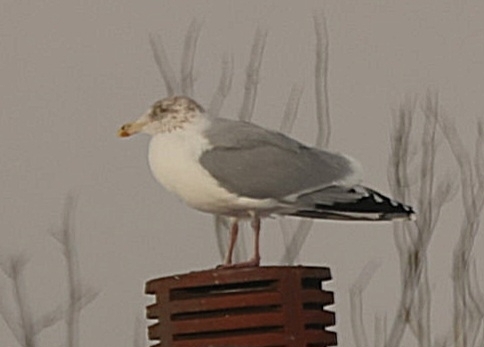
Adults have a pale gray back, white head and underside, pink legs, and a yellow bill with a red spot; ring-billed gulls are smaller with a dark bill band, while lesser black-backed gulls have darker backs and yellow legs. Great black-backed gulls are larger and much darker-backed, and the closely related American herring gull can be difficult to distinguish by appearance alone.
 When to see it
Herring Gull is seen most often in Jan, Feb, Mar, Apr, May, Jun, Jul, Aug, Sep, Oct, Nov, Dec. There are 8154293 public records of it worldwide.
 Questions
It’s seen most often in Jan, Feb, Mar, Apr, May, Jun, Jul, Aug, Sep, Oct, Nov, Dec.
Adults have a pale gray back, white head and underside, pink legs, and a yellow bill with a red spot; ring-billed gulls are smaller with a dark bill band, while lesser black-backed gulls have darker backs and yellow legs. Great black-backed gulls are larger and much darker-backed, and the closely related American herring gull can be difficult to distinguish by appearance alone.
Give nesting gulls space, as they may swoop or peck when defending their young.















You may also like

Here to help while we’re tending the farm