

 Open in the Field Guide
We all need a Savior
“For all have sinned and fall short of the glory of God.”
Romans 3:23 (BSB)
None of us can earn our way to God by being good enough. We all need mercy.
 Field Guide · Plants and flowers
Ipomoea hederacea

Do not eat the seeds, which contain compounds that can cause harmful effects.
Ivy-leaved morning-glory is a climbing annual vine native to tropical parts of the Americas and introduced widely in North America. It grows in fields, roadsides, gardens, and other disturbed places, flowering from summer into fall.
 How to recognize it
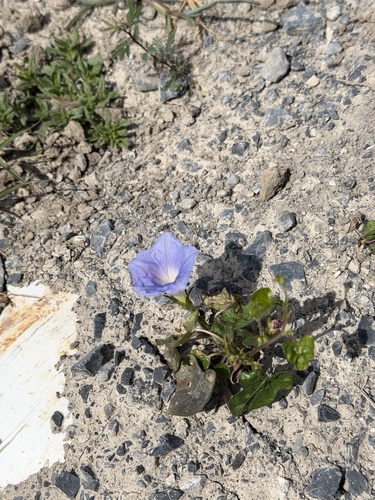
Look for a twining vine with usually three-lobed leaves and blue to rose-purple, trumpet-shaped flowers with pale centers. Its leaves are usually lobed, unlike the typically heart-shaped leaves of the similar Ipomoea purpurea; its long, narrow sepals also have tips that curl backward.
 When to see it
Ivy-leaved Morning-glory is seen most often in Aug, Sep. There are 12177 public records of it worldwide.
 Questions
It’s seen most often in Aug, Sep.
Look for a twining vine with usually three-lobed leaves and blue to rose-purple, trumpet-shaped flowers with pale centers. Its leaves are usually lobed, unlike the typically heart-shaped leaves of the similar Ipomoea purpurea; its long, narrow sepals also have tips that curl backward.
Do not eat the seeds, which contain compounds that can cause harmful effects.












You may also like

Here to help while we’re tending the farm