

 Open in the Field Guide
We all need a Savior
“For all have sinned and fall short of the glory of God.”
Romans 3:23 (BSB)
None of us can earn our way to God by being good enough. We all need mercy.
 Field Guide · Plants and flowers
Quercus mongolica

Raw acorns contain tannins and should not be eaten without proper processing.
Mongolian oak is a deciduous oak native to Japan, northern China, Korea, Mongolia, and southeastern Siberia. It grows in temperate forests and can reach about 30 meters tall.
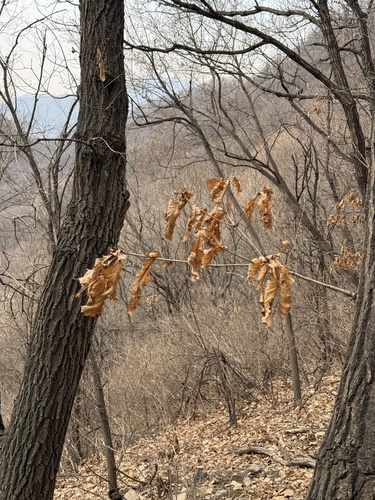
 How to recognize it
It has lobed leaves and acorns; it is deciduous, unlike the evergreen cork oak and holm oak. Its leaves can resemble those of English oak and sessile oak, but Mongolian oak is native to East Asia rather than Europe.
 When to see it
Mongolian Oak is seen most often in May, Jun, Jul, Aug, Sep. There are 16169 public records of it worldwide.
 Questions
It’s seen most often in May, Jun, Jul, Aug, Sep.
It has lobed leaves and acorns; it is deciduous, unlike the evergreen cork oak and holm oak. Its leaves can resemble those of English oak and sessile oak, but Mongolian oak is native to East Asia rather than Europe.
Raw acorns contain tannins and should not be eaten without proper processing.















You may also like

Here to help while we’re tending the farm