

 Open in the Field Guide
We all need a Savior
“For all have sinned and fall short of the glory of God.”
Romans 3:23 (BSB)
None of us can earn our way to God by being good enough. We all need mercy.
 Field Guide · Plants and flowers
Papaver somniferum

Do not eat any part of the plant: its milky sap contains opium alkaloids and can cause serious poisoning.
The opium poppy is an annual flowering plant cultivated for its seeds and as an ornamental. It originated in the western Mediterranean and has been introduced and naturalized in many temperate regions.
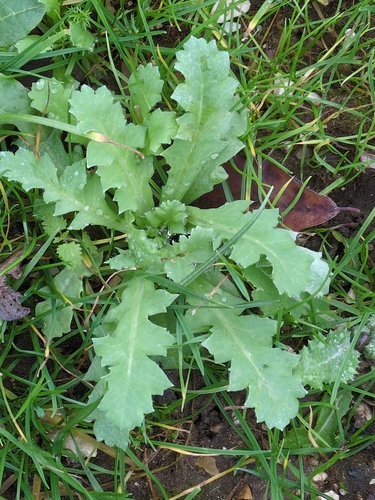
 How to recognize it
It is a sturdy plant with smooth, blue-green leaves that clasp the stem, large flowers, and a broad, rounded seed capsule. Compared with the listed poppies, it is generally more robust; the others differ in traits such as hairy stems, smaller or differently colored flowers, or more elongated capsules.
 When to see it
Opium Poppy is seen most often in Jun, Jul. There are 126774 public records of it worldwide.
 Questions
It’s seen most often in Jun, Jul.
It is a sturdy plant with smooth, blue-green leaves that clasp the stem, large flowers, and a broad, rounded seed capsule. Compared with the listed poppies, it is generally more robust; the others differ in traits such as hairy stems, smaller or differently colored flowers, or more elongated capsules.
Do not eat any part of the plant: its milky sap contains opium alkaloids and can cause serious poisoning.
You may also like

Here to help while we’re tending the farm