

 Open in the Field Guide
We all need a Savior
“For all have sinned and fall short of the glory of God.”
Romans 3:23 (BSB)
None of us can earn our way to God by being good enough. We all need mercy.
 Field Guide · Plants and flowers
Maclura pomifera

Its sharp thorns can puncture or scratch skin, so avoid reaching through its branches.
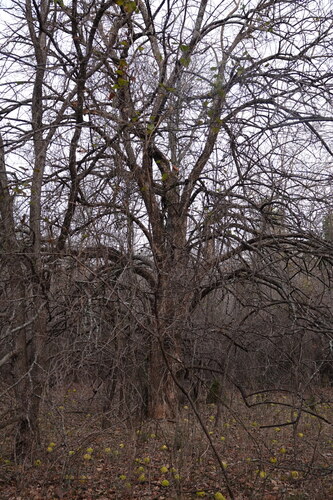
Osage orange is a deciduous tree or large shrub native to the south-central United States, where it grows in woods, along stream edges, and in other open areas. It is also planted elsewhere, often as a hedge or windbreak.
 How to recognize it
Look for thorny branches, glossy oval leaves, and large, round, deeply bumpy green fruits that turn yellow-green in fall. Its large fruits and North American native range help distinguish it from the other listed Maclura species, which are native to other regions.
 When to see it
Osage Orange is seen most often in Sep, Oct, Nov. There are 32975 public records of it worldwide.
 Questions
It’s seen most often in Sep, Oct, Nov.
Look for thorny branches, glossy oval leaves, and large, round, deeply bumpy green fruits that turn yellow-green in fall. Its large fruits and North American native range help distinguish it from the other listed Maclura species, which are native to other regions.
Its sharp thorns can puncture or scratch skin, so avoid reaching through its branches.















You may also like

Here to help while we’re tending the farm