

 Open in the Field Guide
We all need a Savior
“For all have sinned and fall short of the glory of God.”
Romans 3:23 (BSB)
None of us can earn our way to God by being good enough. We all need mercy.
 Field Guide · Plants and flowers
Ulmus rubra

Elm pollen can trigger seasonal allergies in some people.
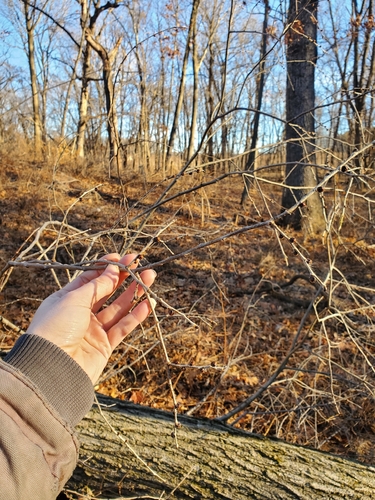
Slippery elm is a deciduous tree native to eastern North America. It grows in a range of wooded habitats, including moist forests and slopes, and is known for the slippery, mucilaginous inner bark of its branches.
 How to recognize it
Its leaves are oval, sharply toothed, uneven at the base, and rough to the touch above. The seed is hairy over its surface, unlike that of wych elm; its leaves are generally rougher than those of American elm.
 When to see it
Slippery Elm is seen most often in Apr, May, Jun, Jul, Aug. There are 12761 public records of it worldwide.
 Questions
It’s seen most often in Apr, May, Jun, Jul, Aug.
Its leaves are oval, sharply toothed, uneven at the base, and rough to the touch above. The seed is hairy over its surface, unlike that of wych elm; its leaves are generally rougher than those of American elm.
Elm pollen can trigger seasonal allergies in some people.








You may also like

Here to help while we’re tending the farm