Choosing the Right Fabric for Lavender Sachets
The key to a good lavender sachet starts with picking the right fabric. You want a material that lets the scent through but keeps the buds inside. Tightly woven cotton or linen are excellent choices. They breathe well and hold the tiny lavender buds securely. Avoid very loose fabrics like cheesecloth or loosely knit cotton. These let buds poke out and cause leaks. Medium-weight cotton canvas or quilting cotton works well and is easy to sew. If you prefer a sheer look, lightweight fabrics like voile or organza are pretty, but they can't hold buds by themselves. In that case, make a small inner pouch lined with tighter fabric to keep buds inside. Always wash and iron your fabric before starting to remove any sizing or treatment and to pre-shrink it. This prevents your sachet from shrinking later and opening seams.Preparing Lavender Buds for Sachets
Use fully dried lavender buds without leaves or stems for the best results. Lavender stems are sharp and poke through fabric, causing leaks. Also, dusty or chopped mixture can make sachets look messy and clog fabric pores, reducing scent flow. Hand-sift your dried lavender to remove dust, small stems, and woody bits before filling. If buying lavender buds, choose those labeled "clean" or "culinary grade" if you want the purest buds. Properly dried buds keep their fragrance longer and avoid musty smells. Store unused lavender in airtight containers away from sunlight and heat until you're ready to fill sachets.How Full to Stuff Lavender Sachets
Don't overfill your sachets — aim for about two-thirds full. This gives the buds room to settle and move slightly, which helps release their fragrance. Overstuffing pushes buds tightly against seams and edges, leading to poking stems and buds leaking out. Underfilling can leave the sachet limp, less attractive, and the scent weaker. For small sachets under 4 inches square, use about a tablespoon of buds, and increase accordingly for bigger bags. A firm but flexible feel is just right. If your sachet feels hard or the seams bulge, reduce the filling next time. Make a test sachet first and adjust the amount depending on the fabric weight and sachet size.Sewing Tips to Prevent Bud Leakage
Strong, neat seams are essential to stop buds from leaking out of sachets. Use about a ¼-inch seam allowance, slightly wider for sturdiness. If machine sewing, sew slowly and backstitch at corners and start/end points. For hand sewing, small tight stitches close together work best. A backstitch is solid and durable. Avoid long running stitches that can gap under pressure. Double stitching corners and edges helps since these spots face the most strain. After sewing, trim seam allowance if bulky, but don’t cut too close to the thread. Reinforce high-stress areas with a second row of stitches if you notice gaps or wear over time. Careful stitching keeps your sachets tidy and long-lasting.No-Sew and Hand-Stitched Closure Ideas
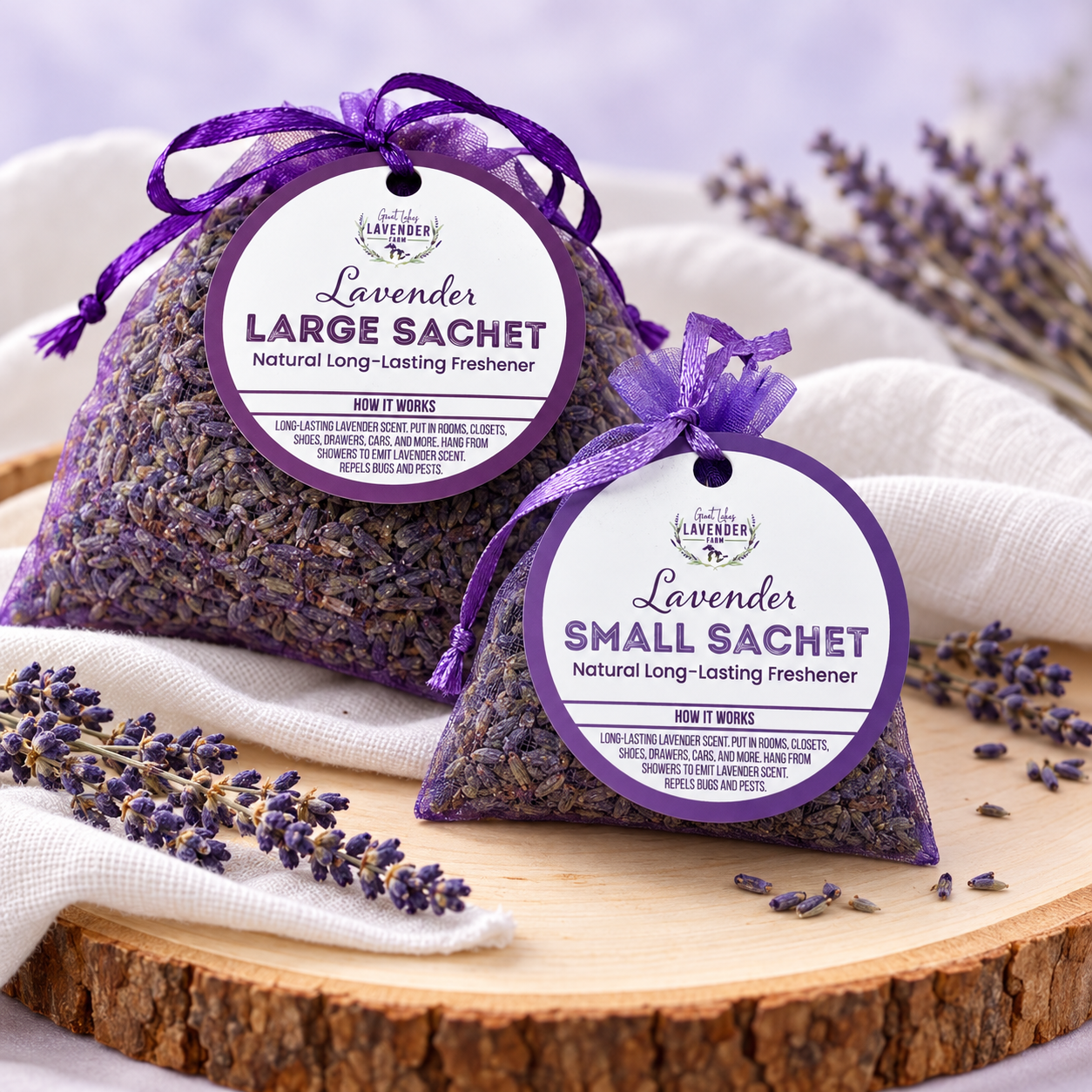
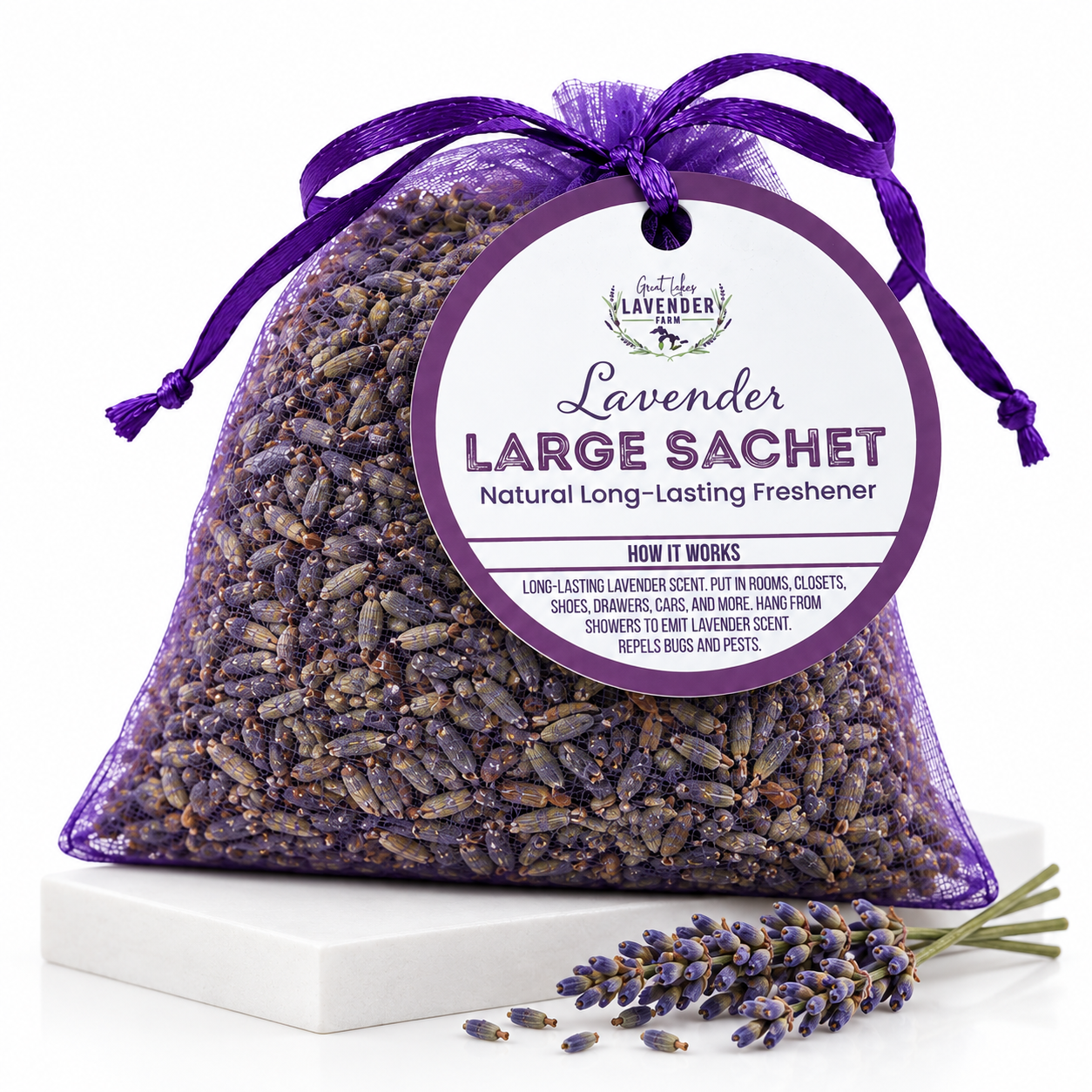
If you prefer not to sew, fabric glue or iron-on hem tape can close edges, but always test on scrap fabric first for strength and appearance. For hand-sewn sachets, whip stitches or blanket stitches neatly secure the edges. You can also make sachets with drawstrings by threading thin ribbons or twine through carefully made small holes or a hem at the top. Drawstring sachets open and close easily to refresh buds without spilling. If you sew a pouch, fold the opening under and stitch a small edge seam or tie with a ribbon bow. Avoid bulky closures that can snag or come loose easily. Small neat closures work best for a tidy sachet.Adding Ribbon Ties and Decorative Finishes
A simple ribbon loop or braided cord can be sewn or glued near the sachet’s top corner or head for easy hanging. Choose washable, colorfast ribbons so dye won’t stain the fabric or buds. Tie bows loosely, so you can untie them to refill the sachet with fresh lavender. Decorative trims such as lace edges or tiny buttons personalize sachets if gifting. Avoid heavy or sharp embellishments that could poke holes or snag the fabric. Keep decorations light and flat to maintain the sachet’s shape and prevent damage when stored or placed in drawers and closets.Refreshing Lavender Sachets Over Time
Lavender scent naturally fades with use. To refresh your sachets, gently untie or open the closure and add a small handful of fresh dried buds. Never use crushed lavender, damp buds, or essential oils inside fabric sachets, as moisture can cause mustiness and fabric damage. Store unused sachets in airtight containers away from heat, sunlight, and humidity to keep the aroma fresh until needed. If a sachet develops a musty odor, air it outside on a dry, shady day to rejuvenate the scent. Avoid direct sun exposure for long periods, since sunlight can fade fabric colors and shorten bud fragrance life. With proper care, your lavender sachets will scent your clothes and rooms for many months.
← All Lavender Field Notes





Share how it went in your field