

How to Care for Lavender and Enjoy Its Harvest This Christmas
 Save
To enjoy lavender this Christmas, growers need to plan fall care and harvesting carefully. Timing and pruning vary by zone, so knowing when and how to care for lavender now leads to beautiful, fragrant harvests for holiday projects.
Preparing Lavender for Late Fall Across USDA Zones
As autumn deepens, lavender plants enter a slower growing phase preparing for winter. In colder USDA zones 3 and 4, this hardening off usually starts by early October, while in warmer zones like 7 and 8, plants may keep putting on some growth well into November. Zones 5 and 6 tend to see the typical dry-down and dormancy start in late October. To be sure of your zone, check our USDA Zone Finder.
Late fall is a good time to clean up your lavender. Remove faded flower stems and any damaged or diseased leaves. This keeps the plant tidy and helps avoid fungal or pest problems during winter. When mulching for winter, use a light layer around the base. Heavy mulch piled up against the woody crown can hold too much moisture and cause rot. In warmer or humid zones, gradually reduce watering as temperatures drop, but keep the soil from drying out completely to maintain root health.
Timing Your Christmas Lavender Harvest
Harvesting lavender at peak scent and freshness is key for your Christmas crafts and decorations. In USDA zones 5 and 6, the main harvest typically happens in late July when blooms are freshest. By December, the stems become woody with little new growth. But gardeners in warmer zones 9 and 10 or drier western regions might find fresh stems available well into fall for holiday use.
If you're gathering fresh stems close to Christmas, choose firm, green flower spikes with no signs of wilting or browning. Avoid cutting into old, woody stems since they rarely regrow, which can weaken the plant. For picking the best variety suited to your zone and harvest timing, use our Plant Finder as a guide.
Pruning Lavender for Winter Health and Spring Vigor
Pruning lavender in late summer to early fall keeps plants healthy and prepares them for a strong spring. Once the summer blossoms fade, remove about one-third of the soft green leafy shoots, leaving 2 to 3 inches of green growth above the woody base. Avoid cutting into brown woody stems, which generally won't sprout again.
Lavandins like Grosso, Provence, and Phenomenal follow the same pruning advice. In colder zones 3 and 4, prune a bit lighter and earlier—around late August to early September—to allow plants time to harden off before frost. Heavy pruning later in fall can damage tender new growth. Need guidance specific to your site? Our Care Calendar offers timing tips for your area.
Protecting Lavender from Winter Weather by Climate Zone
Winter care for lavender varies with climate. In colder zones 3 and 4, a light mulch of straw or pine needles helps keep soil temperature stable and prevents frost heaving. Keep mulch away from the base to avoid trapping moisture against the crown, which can lead to rot. Zones 5 and 6 may need less mulch but should still stabilize soil around roots.
In milder zones or dry western areas, winter watering is key during dry spells to prevent root dehydration. Watch soil moisture but avoid soggy conditions. Our Frost Date Estimator can help you plan your protection steps before the first hard freeze.
Creating Handmade Lavender Ornaments and Gifts for Christmas
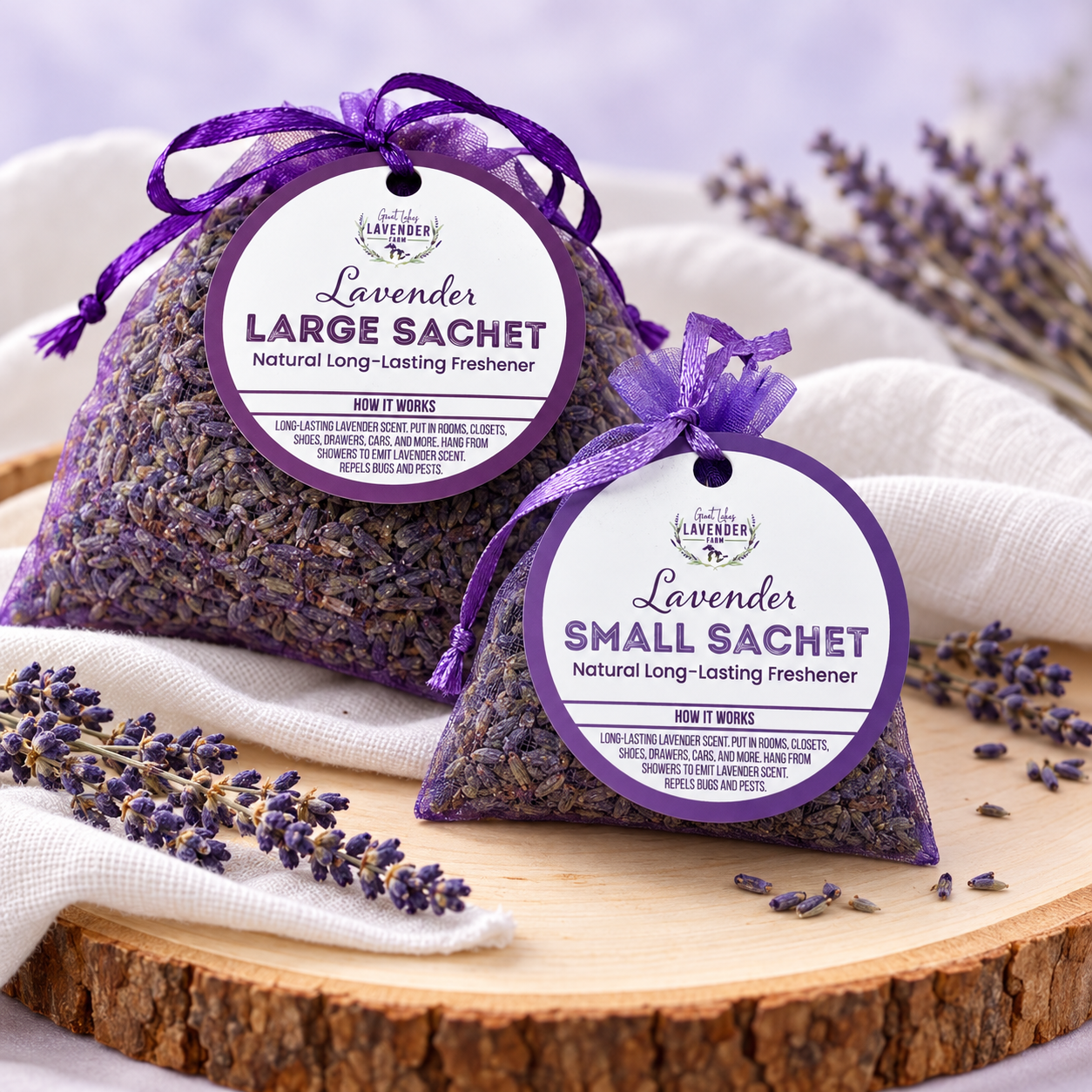
Once harvested and dried properly, lavender stems make lovely natural ornaments and gift extras for the holiday season. Bundles tied with raffia or twine add a rustic touch to wreaths, garlands, and packages. You can also use dried lavender buds to fill small sachets for drawers or to include in homemade soaps and potpourri.
For inspiration and detailed how-to projects, see our guide on Crafting Handmade Lavender Ornaments for Christmas 2026. These ideas let you share the calming beauty and scent of lavender in a personal, lasting way.
Common Fall and Early Winter Lavender Care Issues
Watch your lavender for common problems like blackened or soft stems, which often point to overwatering or fungal infections. Excess mulch or standing water near the crown can cause crown rot. If you see these signs, reduce moisture immediately and remove any affected parts to prevent spread.
The colder months can also stress roots if the soil dries out too much or freezes unevenly. Try to keep soil moisture even—not too wet or too dry—to minimize damage. Our Plant Health Checker is a handy tool to help spot and manage common issues in your lavender plants.
Planning Ahead: Lavender Care Into the New Year
After the holidays, lavender shifts toward new growth, even though it might not be visible above ground until spring. Continue to keep mulch thin and soil moderately moist. Avoid feeding your plants until you see new green shoots—usually early spring—so you don’t encourage weak, tender growth in winter.
Winter is also a great time to plan your garden layout or decide which new varieties to add for next season. Visit our Lavender Plant Library to explore options and start looking forward to spring blooms and summer harvests.



Share how it went in your field