

Lavender in Your Thanksgiving Garden: Care and Celebration Tips
 Save
Thanksgiving marks a unique time for lavender gardeners. As the growing season ends, understanding how to care for your plants and creatively use lavender can enhance both your garden and holiday. This guide shares seasonal advice for gardeners across the USA, helping you enjoy lavender at Thanksgiving and beyond.
Preparing Lavender for Thanksgiving and Late Fall
As the Thanksgiving season arrives, your lavender plants are ending their summer bloom and preparing for winter. This time is crucial for plant care to ensure healthy growth next year. Across USDA zones 3 to 10, adjust watering by reducing frequency but watering deeply when the soil dries out. Lavender dislikes standing water, especially in cooler fall temperatures that slow evaporation. Avoid heavy mulching near the crown to prevent excess moisture that can cause rot.By Zone Considerations
- Zones 3–4: After the first frost, apply a light mulch layer to protect roots from deep freezes. Use straw or pine needles, placing mulch around—but not directly over—the crown to keep soil insulated yet allow air flow.
- Zones 5–6: Follow West Michigan's example by watering less often but deeply through October, stopping just before frost arrives. This helps roots stay hydrated without soggy soil.
- Zones 7–8 and warmer: A light mulch can aid moisture retention during dry falls, but keep mulch off the crown to reduce rot risk.
Ensure lavender continues to receive full sun as daylight decreases. If late-day shade occurs from nearby trees or shrubs, consider pruning those branches carefully to maintain sunlight exposure. Good light encourages plants to harden off for winter and supports root health going into dormancy.
When and How to Prune Lavender After the Last Bloom
Pruning lavender properly after its summer bloom sets the stage for vigorous growth the following year. Generally, the last bloom fades by early September in many zones, which is the ideal time to prune.Pruning Tips
- Cut back about one-third of the soft green growth, leaving 2 to 3 inches of green stems above the woody base to encourage bushy habit.
- Avoid cutting into old, brown woody stems; lavender rarely puts out new shoots from old wood and cutting there can damage the plant.
- Perform only light trimming of dead or stray stems after early September to avoid stimulating tender new growth that may not survive frost.
If you missed the post-bloom pruning window, resist heavy cuts in late fall. Instead, tidy up any dried or damaged stems lightly, saving shaping trims for spring. Proper timing allows energy storage in the plant's roots.
Lavandin varieties such as Grosso, Phenomenal, and Provence follow these same pruning principles, even if their bloom times shift slightly by zone.
Using Culinary Lavender in Thanksgiving Cooking and Crafts
Thanksgiving offers a perfect chance to use culinary lavender in your recipes and decorations. Be sure to select culinary-grade lavender varieties meant for safe food use.Cooking with Lavender
- Add approximately one teaspoon of dried or fresh culinary lavender flowers for each cup of flour in baked goods like pumpkin-lavender bread or lavender shortbread cookies for a subtle floral note.
- Enhance sweet sauces or glazes with small amounts of lavender sugar paired with traditional flavors like maple and warming spices.
Craft Ideas
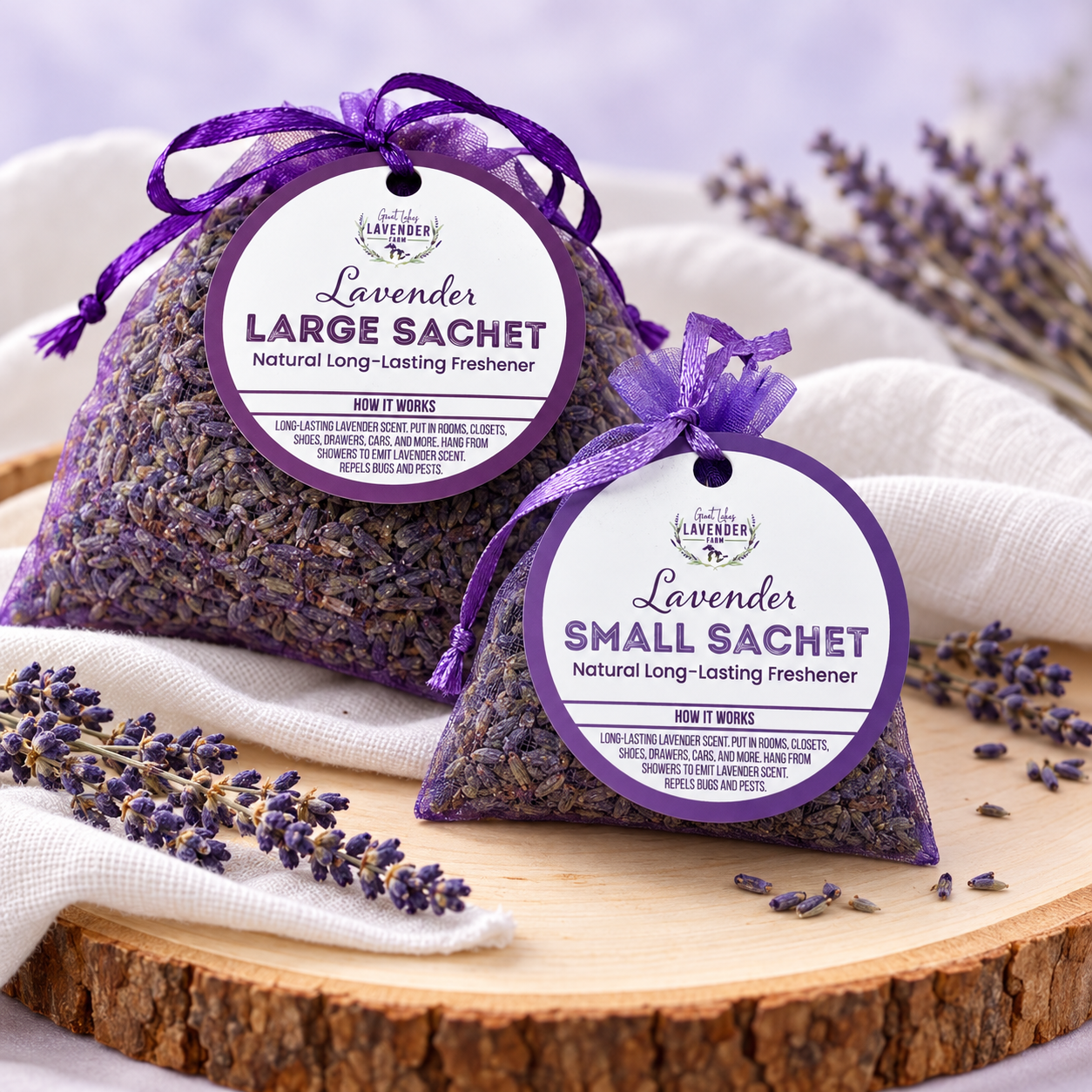
- Make fragrant sachets or napkin rings using dried lavender bundles to dress your holiday table elegantly.
- Create lavender-infused sprays by steeping fresh or dried flowers in water to lightly scent kitchens, dining rooms, or living areas during gatherings.
Great Lakes Lavender Farm offers culinary lavender varieties specially grown for quality and flavor, shipped throughout the U.S. (excluding areas restricted for shipping).
Designing a Small Lavender Garden Nook for Holiday Gatherings
A dedicated lavender garden nook close to your home can add fragrance and charm to your Thanksgiving festivities year after year.Site Selection and Soil Prep
- Choose a sunny spot with excellent drainage to prevent soggy roots during wet fall and winter weather.
- Amend soil with coarse sand or gravel if needed to improve drainage and mimic lavender’s native Mediterranean soil conditions.
Planting Tips
- Plant in early spring or early fall to give roots time to establish before temperature extremes.
- Space lavender plants adequately to promote good air circulation and reduce disease risk.
Maintenance for Season-Long Appeal
- Once established, water deeply but infrequently to encourage deep roots.
- Prune after summer blooms to maintain neat shape and encourage dense, healthy foliage.
- Avoid mulching over the crown, especially before winter, to prevent rot issues.
This lavender nook becomes a fragrant backdrop for family photos, small outdoor gatherings, or peaceful moments surrounded by soft purple hues complementing seasonal décor.
Protecting Lavender Through Late Fall and Early Winter
With shorter days and colder temperatures approaching Thanksgiving, it’s essential to prepare lavender plants for winter survival, particularly in colder zones.Winterizing Steps
- Zones 3–4: After pruning and once the ground has frozen, apply a light mulch layer around roots to insulate against deep cold while keeping stems uncovered to prevent moisture buildup.
- Zones 5–6: Mulch lightly if fall has been dry, but avoid thick layers that can trap moisture and promote disease.
- Zones 7–10: Minimal or no mulch is typically needed; only consider mulching if soil is very sandy and tends to dry out excessively.
Always keep mulch away from the lavender crown. Placing it around the plant protects roots but allows air circulation at the base where moisture can cause issues. Heavy mulch or covering the crown increases rot risk during moist winters.
These steps reflect best practices here at Great Lakes Lavender Farm and help support healthy plants ready for spring growth.
Creative Gift Ideas from Your Lavender Harvest
Bring your Thanksgiving to life with homemade lavender gifts crafted from your own garden’s harvest.Simple Lavender Gift Ideas
- Dried lavender bundles tied with burlap or festive ribbons make charming hangings for kitchens, closets, or entryways.
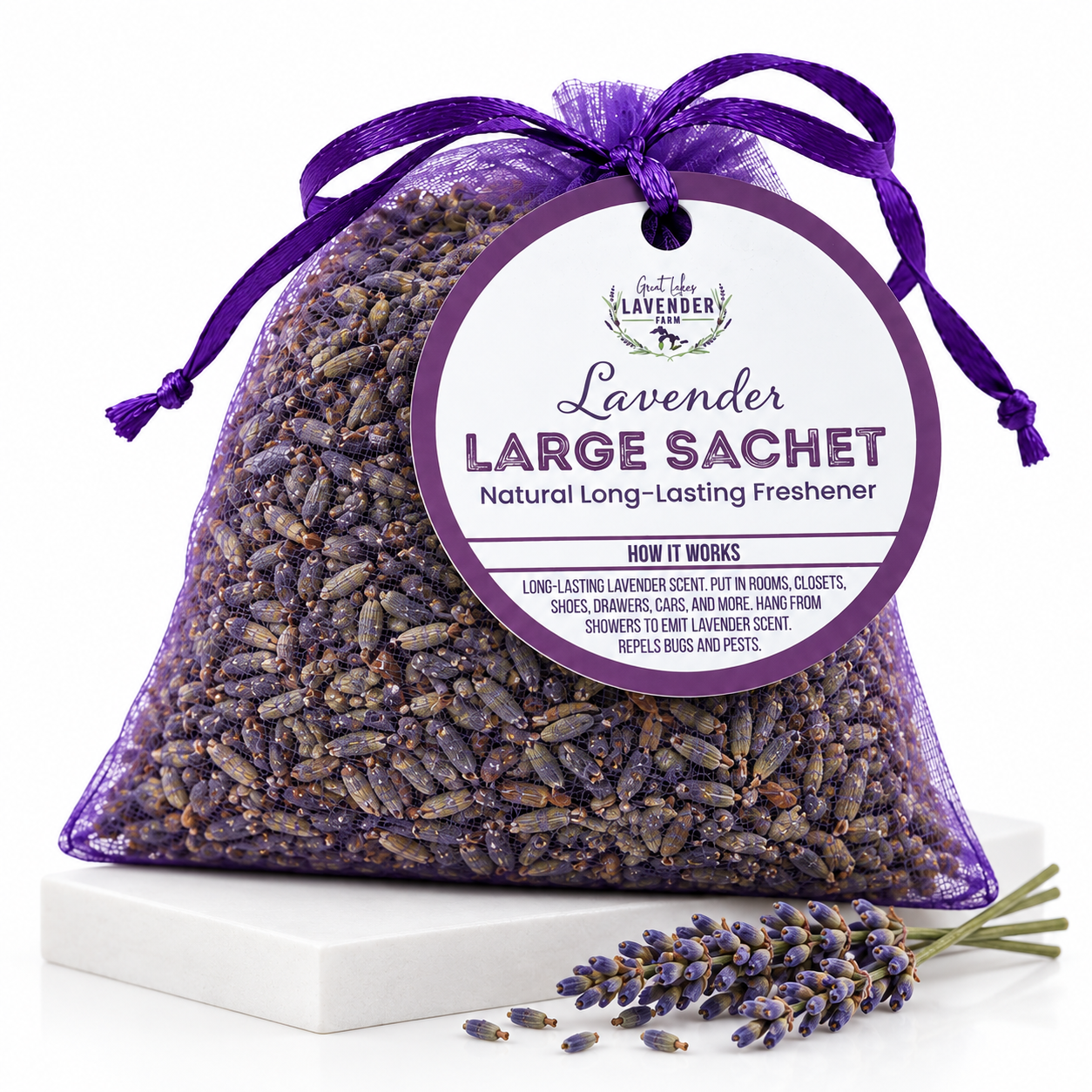
- Lavender sachets filled with dried blooms add gentle scents to drawers, wardrobes, or gift packaging for a thoughtful touch.
- Make lavender-scented honey by carefully steeping culinary lavender flowers in local honey, perfect for holiday teas or breakfast treats.
Canning and Preserving
- Infuse syrups or honeys with lavender to create flavorful beverages or sweeteners that make unique gifts.
- Add lavender sugar to cookie tins or spice blends to give your homemade packages a fragrant and memorable appeal.
Lavender gifts offer a homemade feel and capture the beauty and fragrance of your garden’s care throughout the year.
Troubleshooting Common Late Fall Lavender Issues
Though lavender is a hardy plant, late fall can bring occasional challenges. Knowing what to look for helps you act quickly.Rot and Crown Moisture
- Symptoms: Blackened or mushy stems near the base, sudden leaf yellowing, or dieback.
- Fix: Check soil drainage and avoid standing water. Remove mulch hugging the crown. Prune affected stems immediately to prevent spread.
Winter Damage
- Symptoms: Dry, brittle stems, brown or shriveled leaves, and lack of spring regrowth.
- Fix: Prune away dead wood once frost risk fades. Ensure root zones are mulched appropriately for your zone to protect against freeze.
Pests and Diseases
- Late season pests are uncommon, but watch for fungal leaf spots or powdery mildew in damp conditions.
- Manage by improving air flow, watering at soil level rather than overhead, and removing infected foliage promptly.
Regularly inspecting your plants through late fall helps catch and fix issues early, keeping your lavender healthy for many seasons of enjoyment.



Share how it went in your field