

Use & Care NotesLavender Plants
Hidcote Pink Lavender: Mauve-Pink Spikes with an RHS Award
 Save
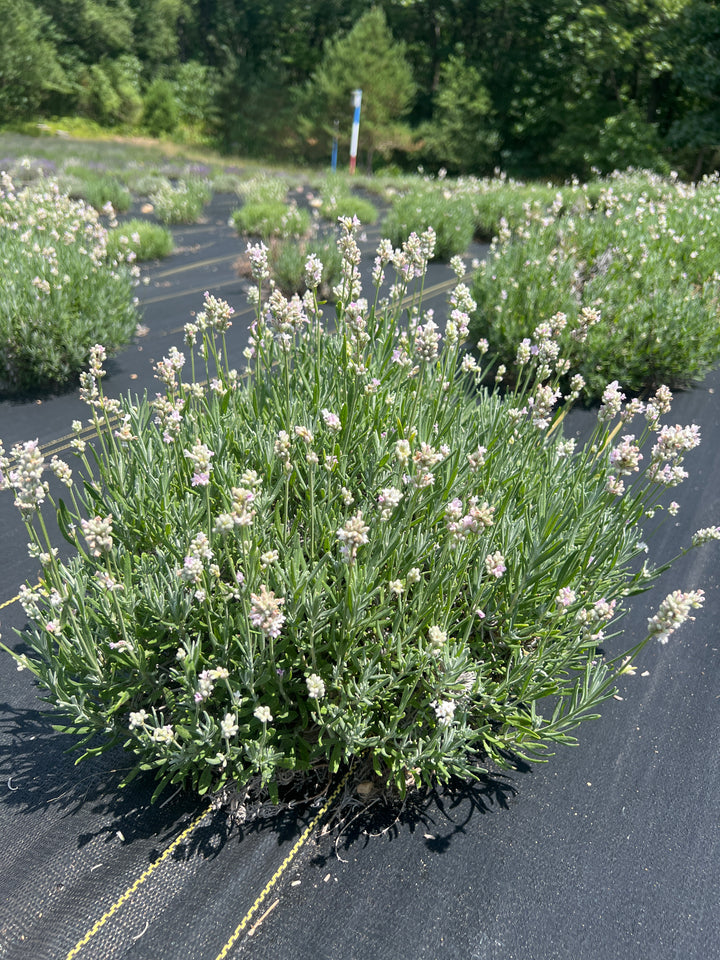
Hidcote Pink lavender is one of the best-regarded pink English lavenders, holding the Royal Horticultural Society's Award of Garden Merit. Its flowers are a mid mauve-pink, gathered in spikes about 1.6 to 2.4 inches long on stems roughly 6 to 10 inches above aromatic gray-green leaves. The plant is a bushy evergreen shrub that can reach about 28 inches tall and more than 3 feet wide.
The fragrance is the sweet, classic English lavender scent, and it rates great for culinary use.
Hidcote Pink at a glance
| Trait | What to expect |
|---|---|
| Botanical name | Lavandula angustifolia 'Hidcote Pink' |
| Recognition | RHS Award of Garden Merit; RHS hardiness H5 |
| Flowers | Mid mauve-pink spikes, about 1.6 to 2.4 inches |
| Stems | About 5.9 to 9.8 inches |
| Foliage | Aromatic gray-green, evergreen |
| Mature size | About 27.6 inches tall and 39.4 inches wide |
| Bloom | Starts mid-June, peaks mid-July, moderate rebloom |
| Hardiness | USDA zones 5a to 9b |
Using pink lavender well
Mauve-pink is a soft, dusky shade, not a hot pink. It looks best beside cool colors: deep purple and white lavenders, blue catmint, silver foliage and pale yellow flowers. Try a band of Hidcote Pink between dark purple English lavender and a white one for a gentle gradient, or use it to soften a hard edge along a stone wall. It rates great for pollinators, so expect plenty of bees.
Planting and spacing
- Sun: full sun all day if you can.
- Soil: lean and well drained. Raise the bed or add grit on clay.
- Spacing: about 36 inches for separate mounds; 24 to 30 inches for a hedge that grows together.
- Planting: crown level with the soil, deep watering at planting, then whenever the top few inches dry out in the first summer.
It benefits from winter chilling to bloom well, which suits cold-winter gardens. Check your zone with the USDA Zone Finder.
Seasonal care
After the main bloom, cut spent stems and shear the mound by up to a third in leafy growth. This keeps the wide plant from opening up and often encourages a moderate rebloom. Stop pruning by late summer. In spring, wait for new growth and remove only winter-damaged tips. Never cut into bare wood. The Pruning Calendar covers it.
Harvest and kitchen
Pink buds make a pretty change in lavender sugar, shortbread or lemonade. Harvest from plants grown as food, when buds are colored and only a few flowers are open, and use them sparingly. For drying, cut at the same stage; pink lavender dries to a soft, dusty rose that mixes nicely with purple stems in a bundle.
Plants, plugs and trays
Hidcote Pink comes as 3-inch plugs, 4-inch pots and 1-gallon pots for home gardens, and as 72-cell and deep 20-cell plug trays for growers or anyone planting a long hedge. See each product page for current sizes and availability, or the Wholesale Hub for tray orders.
Frequently asked questions
Is Hidcote Pink a pink version of Hidcote?
It shares the Hidcote name and the English lavender type, but it is its own cultivar with mauve-pink flowers and a wider habit. Compare them in the Compare tool.
How pink is it?
The flowers are a mid mauve-pink, soft rather than bright. Color can look paler in strong sun.
Is it hardy?
It is rated for zones 5a to 9b and carries the RHS H5 hardiness rating. Drainage is what decides winter survival.
Keep exploring
Ready to plant it?
Sizes, prices and shipping times are on its page.

















Share how it went in your field