

Use & Care NotesLavender Plants
Jean Davis (Rosea) Lavender: A Cold-Hardy Pale Pink English Lavender
 Save
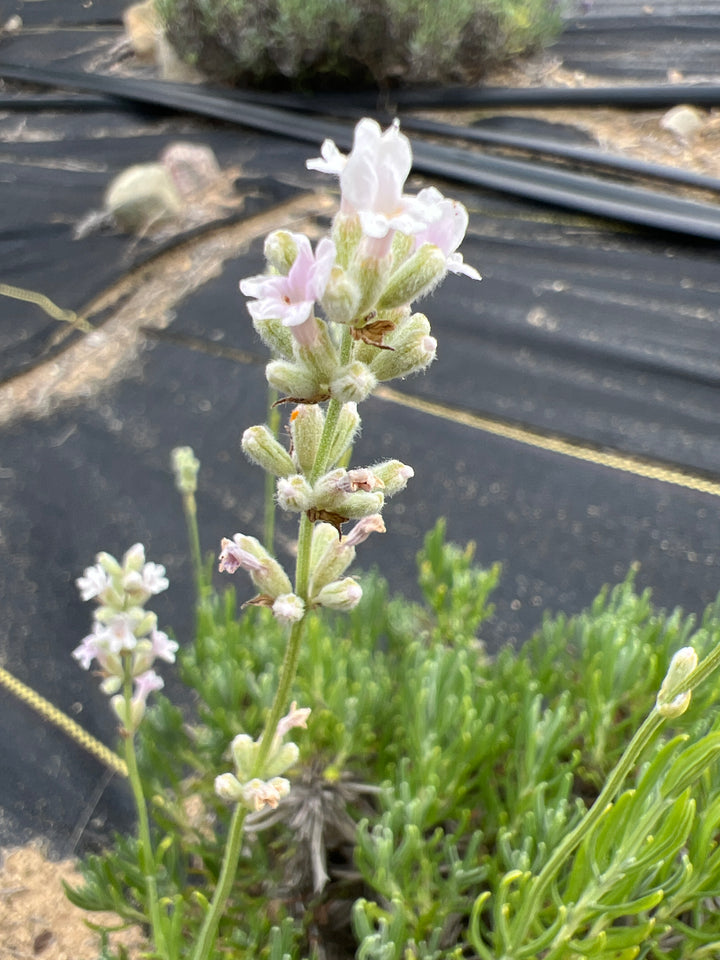
Jean Davis lavender, also known as Rosea or Nana Rosea, is a compact English lavender with pale pink to pink-white flowers over silver-gray and gray-green foliage. It grows into a neat, bushy mound about 18 inches tall and wide, with 10-inch stems and fragrant flowers set off by aromatic leaves.
As Lavandula angustifolia, it is one of the hardier lavenders you can grow. It is listed for USDA zones 4a to 9b and carries an H5 hardiness rating, which makes it a reliable pink lavender for northern gardens where many pink types struggle.
Jean Davis at a glance
| Trait | What to expect |
|---|---|
| Botanical name | Lavandula angustifolia 'Jean Davis' (Rosea, Nana Rosea) |
| Flower color | Pale pink to pink-white |
| Foliage | Silver-gray to gray-green, aromatic |
| Size | About 18 inches tall and 18 inches wide |
| Stem length | About 10 inches |
| Bloom | Starts mid-June, peaks mid-July, moderate rebloom |
| Hardiness | USDA zones 4a to 9b |
| Best uses | Culinary, oil, edging, small bundles |
A soft pink that holds up to winter
Pale pink lavender has a cottage-garden softness that purple does not, and Jean Davis delivers it on a plant tough enough for cold Great Lakes winters. Its compact size suits the front of a border, a low edge along a walkway or a sunny herb garden. Planted in a row with a deep purple English lavender behind it, the pink looks deliberate and lovely.
Its pale flowers are subtle from a distance, so place it where you will see it up close. The aromatic foliage adds to the experience when you brush past.
Planting and spacing
Give it six to eight hours of sun and soil that drains quickly. Amend heavy clay or plant in a raised bed. Space plants about 18 inches apart for individual mounds, or 12 to 15 inches for a tight low hedge. Set the crown at soil level and keep mulch and compost away from the base. If you are farther north, the USDA Zone Finder will confirm whether you are in zone 4 or above.
Care through the year
- First season: water deeply whenever the top few inches dry out.
- Established: water needs are low; let it go dry between waterings.
- Feeding: little or none. Lean soil keeps it compact.
- After bloom: trim spent stems and shape the mound, staying above bare wood. A moderate rebloom may follow.
- Spring: tidy winter damage once new growth appears.
Kitchen and harvest
Jean Davis rates great for culinary use, and pink buds look pretty in lavender sugar or sprinkled sparingly over a cake. Cut on a dry morning when buds are fully colored and only a few flowers are open, then hang small bunches in a dark, airy place. Use only buds grown as a food crop and start small. Its cut and dried ratings are good, and the 10-inch stems suit small bundles and sachets.
Plants, plugs and trays
It is available as individual plants (3-inch plugs, 4-inch pots and 1-gallon pots), a 72-cell plug tray and a 20-cell plug tray. Pots suit gardens; trays suit growers and anyone planting a long hedge. See the product pages for current availability, visit the Wholesale Hub for trays, or set up Availability Alerts for a format that is not available right now.
Frequently asked questions
Is Jean Davis the same as Rosea?
Yes. It is sold under several names, including Rosea, Nana Rosea and Jean Davis.
Will it survive a Michigan winter?
It is rated to zone 4a, colder than most of Michigan. Drainage is what decides survival, not cold.
Does the pink fade when dried?
Pale flowers dry lighter than they look on the plant. Dry bunches out of direct light to keep the most color.
















Share how it went in your field