

Use & Care NotesLavender Plants
Miss Katherine Lavender: A Pink English Lavender with Long Stems
 Save
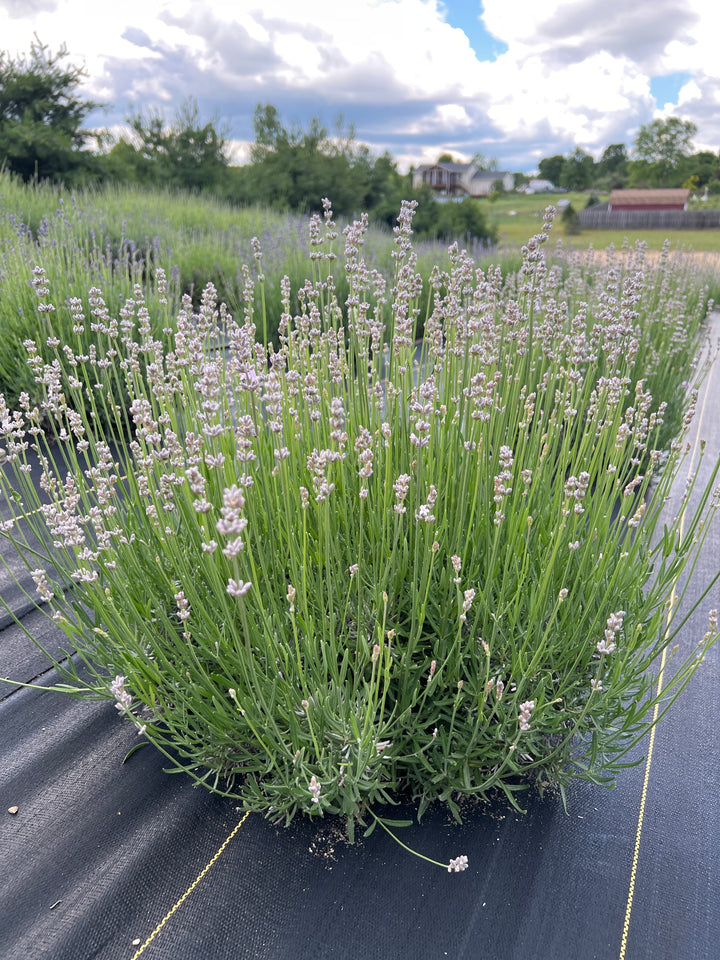
Miss Katherine lavender is one of the best-known pink English lavenders. Its flowers open a rich pink and fade lighter with age, carried on long stems, about 15 inches, above an erect, domed evergreen shrub of gray-green leaves. The fragrance is rated exceptional, and it holds the Royal Horticultural Society's Award of Garden Merit.
Pink lavender that smells this good tends to convert skeptics. It is still lavender, just dressed for a garden party.
Miss Katherine at a glance
| Trait | What to expect |
|---|---|
| Botanical name | Lavandula angustifolia 'Miss Katherine' |
| Flower color | Rich pink, fading lighter with age |
| Habit | Bushy, erect and domed; evergreen |
| Size | About 30 inches tall and 32 inches wide; stems about 15.7 inches |
| Bloom | Starts late May, peaks mid-July, moderate rebloom |
| Hardiness | USDA zones 5a to 9b; RHS hardiness rating H5 |
| Fragrance | Exceptional |
| Recognition | RHS Award of Garden Merit |
Designing with Miss Katherine
A row of pink lavender is a showstopper on its own, but Miss Katherine also makes purple and white lavenders look better. Alternate it with deep violet cultivars for a striped effect, or plant it beside white lavender for a soft, cottage look. Its upright, domed shape stays orderly in a formal bed, and its long stems sway a little in the breeze. Bees work it steadily through bloom, and deer usually leave it alone.
For a pink-and-silver scheme, add gray-leaved herbs and pale stone. Try layouts in the Plant Finder to see what else fits your conditions.
Planting and care
- Sun and soil: full sun and quick-draining sandy or loamy soil. Avoid low spots where water collects.
- Spacing: about two and a half to three feet, close to its mature width.
- Water: deeply in the first season when the top few inches dry, then rarely.
- Feeding: light. Rich soil reduces flowering and weakens the stems.
- Pruning: shear after the main bloom, staying in the green growth. A moderate rebloom often follows.
Bundles, baking and color tips
The long stems make Miss Katherine a pleasure to bundle. Cut for drying when the spikes are colored and only a few flowers have opened, and hang small bunches in a dark, airy place; darkness helps the pink hold. For the kitchen, it is rated great for culinary use. Harvest at the same stage, dry well and start with small amounts. Pink buds make an especially pretty lavender sugar. Use only plants grown and handled as a food crop.
Plants, plugs and trays
Home gardeners can choose 3-inch plugs, 4-inch pots or 1-gallon pots. Growers and anyone planting in quantity can order a 72-cell plug tray or a deep 20-cell plug tray. See each product page for current sizes and availability, and the Wholesale Hub for tray orders.
Frequently asked questions
Why does Miss Katherine look paler some years?
The flowers naturally fade lighter as they age, and strong sun speeds that along. Cut early for the richest pink.
Is pink lavender as hardy as purple?
Miss Katherine is an English lavender rated for zones 5a to 9b, with an H5 hardiness rating, so it is as hardy as many purple English types when drainage is good.
Can I use it in recipes?
Yes. It is rated great for culinary use. Begin with a little and adjust to taste.
















Share how it went in your field