

Use & Care NotesLavender Plants
sako1638 Lavender: Sturdy Dark Violet Spikes on a Compact Plant
 Save
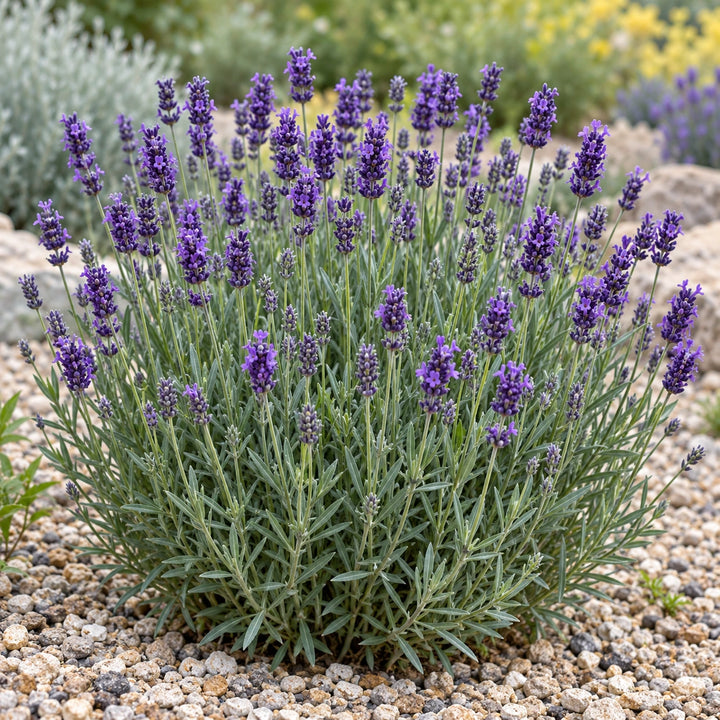
sako1638 lavender is a compact, upright selection of Lavandula angustifolia, about 15 inches tall and 13.5 inches wide. Its documentation describes strong, sturdy, freely branching plants with dark violet flowers held on stiff, erect stems, along with good garden performance. Gray-green foliage and a moderate floral-herbal scent round it out.
The name is a breeding code, not poetry. The plant makes up for it.
sako1638 at a glance
| Trait | What to expect |
|---|---|
| Botanical name | Lavandula angustifolia 'sako1638' |
| Flower color | Purple, documented as dark violet |
| Foliage | Gray-green |
| Habit | Compact and upright, freely branching |
| Mature size | About 15 inches tall and 13.5 inches wide |
| Bloom | Starts late May, peaks mid-July, single flush |
| Hardiness | USDA zones 6a to 10b |
| Fragrance | Moderate; floral with sweet herbal notes |
Why stiff stems matter
Lavender that flops after a summer storm is a common frustration, especially in small cultivars with thin stems. sako1638's flowers stand on strong, erect stems, so the spikes stay upright and the plant keeps a crisp, tidy outline. That makes it a good candidate for formal edging, a neat row along a path or a container where you want a clean, vertical look.
Planting and spacing
- Sun: full sun, six to eight hours or more.
- Soil: sandy or loamy and fast-draining. In clay, build a raised bed or plant on a mound.
- Spacing: about 12 to 15 inches apart for a continuous low edge.
- Containers: a 10- to 12-inch pot with gritty mix suits one plant nicely.
Set plants with the crown level with the soil and water deeply. Through the first season, water when the top few inches dry out; after that, very little.
Care and pruning
sako1638 blooms in a single flush, starting in late May and peaking in mid-July, with no listed rebloom. Once the flowers fade, clip off the spent stems and lightly shape the plant into a dome, staying above bare wood. Freely branching plants respond well to this yearly trim, filling in densely the following spring.
Its zone rating starts at 6a, so in colder parts of zone 5 it is safer in a container you can move to a sheltered, frost-free spot for winter. In zone 6 and warmer, sharp drainage is the best winter protection. Check your zone with the USDA Zone Finder.
Uses for the flowers
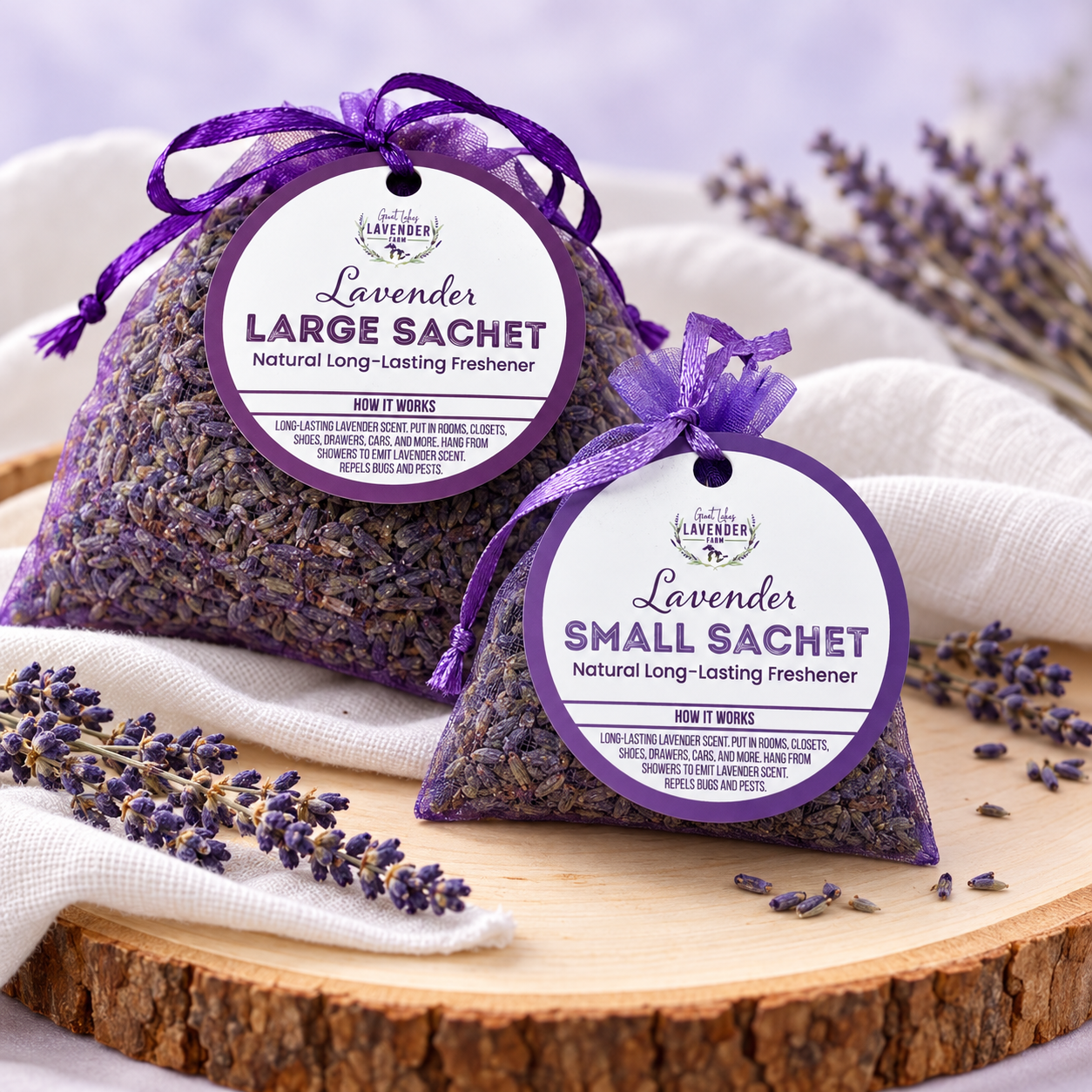
It is rated good for fresh and dried flowers and great for pollinators. The stems are shorter than on the big lavenders, so plan on small posies, short bundles and dried buds for sachets. Even though it is an English lavender, its listing does not recommend it for culinary use, so pick a culinary-rated English lavender for baking.
Frequently asked questions
Is sako1638 a true English lavender?
Yes, it is listed as Lavandula angustifolia. It is a compact, coded selection rather than a traditionally named cultivar.
Why is it not recommended for cooking?
Its listing rates it as an ornamental. For kitchen use, choose an English lavender rated for culinary use.
Will it rebloom?
It is listed as a single-flush lavender. Trimming after bloom keeps it tidy rather than bringing a second round.



Share how it went in your field