

Use & Care NotesLavender Plants
Seal Lavender: A Pale Purple Lavandin with Silver Foliage
 Save
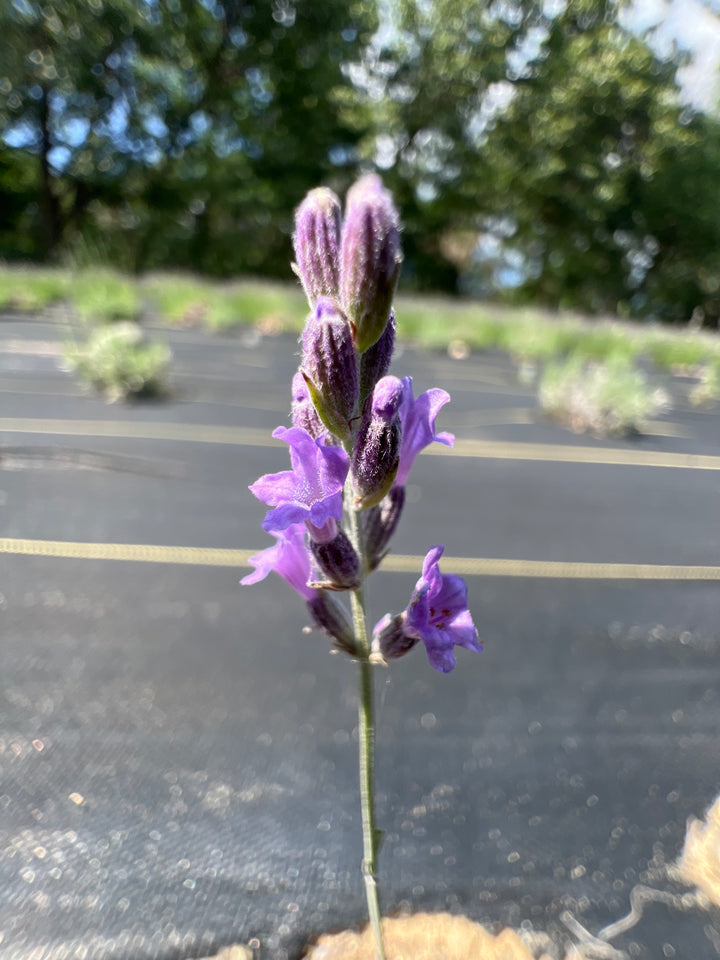
Seal lavender is a lavandin, a hybrid of English lavender and spike lavender, that grows into a big, mounding, bushy plant about 39 inches tall and 39 inches wide. Its flowers are a soft, pale purple, its foliage is silver, and its stems reach roughly two feet. The fragrance is strong: sweet lavender over fresh camphor.
Not to be confused with Seal's Seven Oaks, which is a much smaller English lavender. Same family name, very different plants.
Seal at a glance
| Trait | What to expect |
|---|---|
| Botanical name | Lavandula × intermedia 'Seal' |
| Parentage | English lavender × spike lavender |
| Flower color | Pale purple |
| Foliage | Silver |
| Habit | Mounding and bushy |
| Mature size | About 39 inches tall and 39 inches wide |
| Stem length | About 24 inches |
| Bloom | Starts mid-June, peaks mid-July, low rebloom |
| Hardiness | USDA zones 5a to 8b |
| Ratings | Excellent for oil, cut and dried flowers and field rows |
Soft color, big presence
Pale purple flowers over silver leaves make Seal look cool and airy even though it is a large plant. In a landscape, it softens hard edges along a driveway or fence and works as a single rounded shrub at the back of a sunny border. Planted beside deep purple lavenders, the pale tone adds depth; next to white flowers and gray foliage, it reads almost silvery-lilac.
Planting a big lavandin
Seal's mature footprint is roughly three feet across, so space plants at least that far apart, a bit more if you want room to walk between them at harvest. Choose full sun and a site where water drains quickly. On clay, plant in raised rows or on a berm. Water deeply while it establishes and then let it be; water needs are low once roots are deep.
Big plants are tempting to feed, but resist. Rich soil makes lavandins grow soft, flop open in the center and produce weaker scent.
Harvest for drying and oil
- Dried bundles: cut when the first few flowers at the base of each spike open. Long 24-inch stems make generous bunches.
- Fresh arrangements: rated excellent for cut flowers; stems hold well in a vase.
- Oil: rated excellent for oil and high oil production; growers usually cut later, with more flowers open.
- Drying: hang upside down in a dark, airy place for one to two weeks.
Plan harvest windows with the Harvest Calendar. Its culinary rating is good, but lavandin is stronger and more camphor-forward than English lavender, so try a small amount first.
Pruning and winter
After harvest, shear Seal back into a rounded mound, staying in green growth. Annual pruning keeps a big lavandin from splitting open. In winter, drainage matters most: keep the crown dry, avoid piling snow-melt or wet leaves on it and wait for new growth in spring before trimming any damage.
Frequently asked questions
Is Seal the same as Seal's Seven Oaks?
No. Seal is a large lavandin. Seal's Seven Oaks is an English lavender with a much smaller footprint and darker violet-blue flowers.
Is Seal good for a commercial planting?
It is rated excellent for commercial field use, with excellent oil, cut flower and dried flower ratings. Ask through Grower Questions if you are planning rows.
Does it attract pollinators?
Yes, it is rated excellent for pollinators.
















Share how it went in your field