

 Open in the Field Guide
We all need a Savior
“For all have sinned and fall short of the glory of God.”
Romans 3:23 (BSB)
None of us can earn our way to God by being good enough. We all need mercy.
 Field Guide · Plants and flowers
Kalmia angustifolia

All parts of sheep laurel are poisonous if eaten and can harm people and livestock.
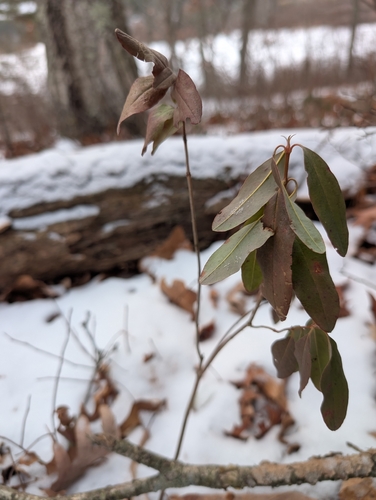
Sheep laurel is a low, evergreen shrub native to eastern North America. It grows in acidic, often moist or nutrient-poor places such as bogs, woods, and open barrens.
 How to recognize it
It has narrow leaves and clusters of small pink flowers, unlike the broader leaves of mountain laurel; it is also less mat-like than the prostrate Kalmia species listed.
 When to see it
Sheep Laurel is seen most often in Jun, Jul. There are 31372 public records of it worldwide.
 Often recorded near
Public records show Sheep Laurel most often in the areas around these farms and places:
Seen one? Point the Lavender Passport Field Guide at it and add your find.
 Questions
It’s seen most often in Jun, Jul.
Public records show it most often around Cafe Oui, Lavender Rose Lane, Bitter Bill's Ice Cream Parlour, D & M Gardens, Josephine's Vegetables.
It has narrow leaves and clusters of small pink flowers, unlike the broader leaves of mountain laurel; it is also less mat-like than the prostrate Kalmia species listed.
All parts of sheep laurel are poisonous if eaten and can harm people and livestock.















You may also like

Here to help while we’re tending the farm