


When it arrives
Your 3-inch plug
It arrives actively growing. Water it the day it comes, let it rest in bright shade for 2–3 days, then harden it off for about a week before planting. Set the top of the root ball level with the soil — never deeper.
Welcome back.
Forecasts can change. We check destination weather again before live plants leave the farm. Non-plant lavender goods continue shipping normally.
Real dishes from our Field Notes recipes, shared by the people who made them.
Your reaction votes in that category and also adds one equal point to the photo's overall Lavender Crown total.
Category accolades: the photo leading each emoji earns that badge; one photo can earn several. Overall Lavender Crown: all four emoji counts combine, and the highest monthly total wins. Monthly counts restart, but approved photos stay enrolled. Cultivar-confidence votes are separate.
 Lavender companion · grow guide
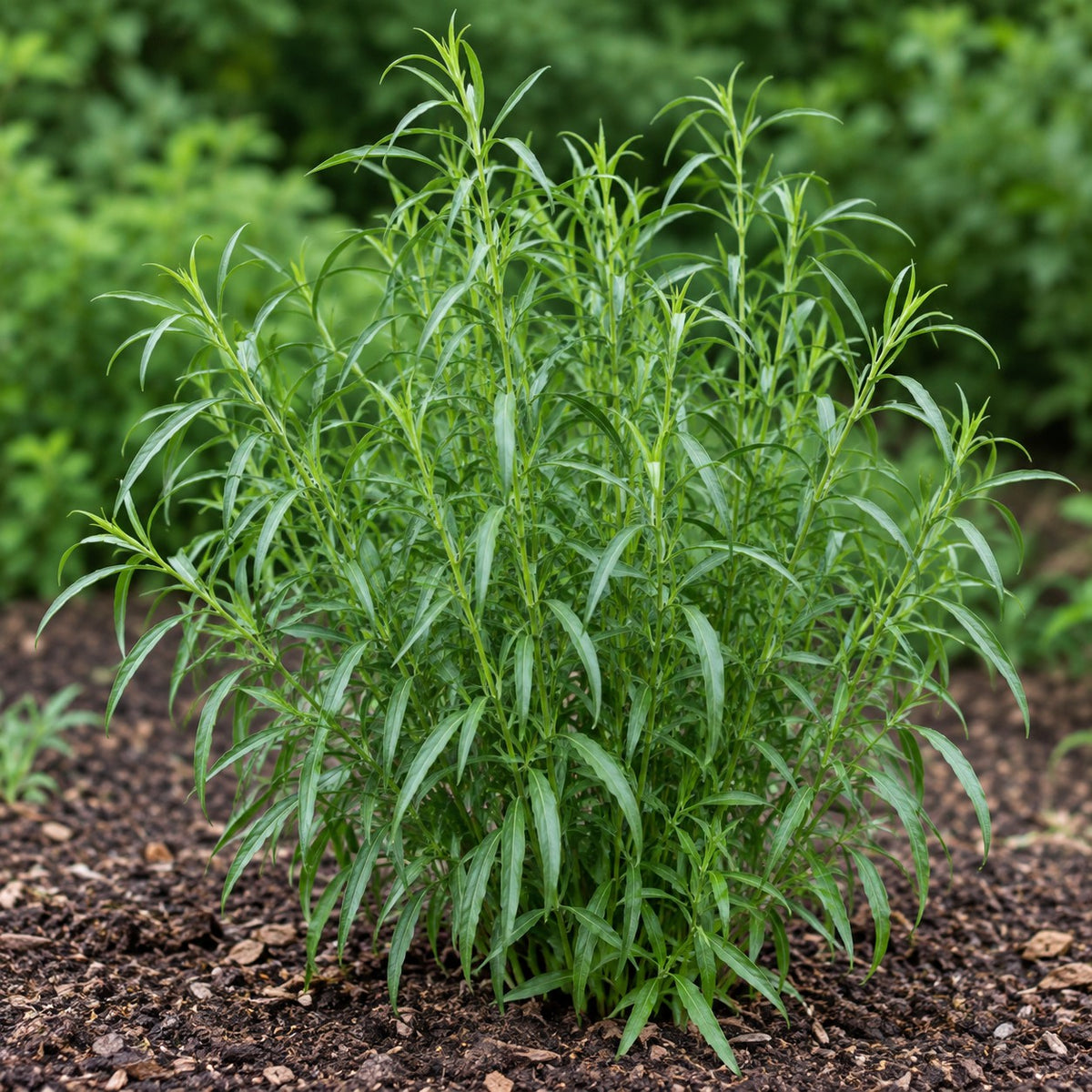
Artemisia · Artemisia dracunculus 'Sativa'
Silver mound artemisia needs full sun and lean, dry, fast-draining soil. Its biggest enemy is humidity and wet soil, which make the mound split open and rot in midsummer.
Check my zone & planting dates

 Full sunLight
 Low waterFast drainage
 pH 6.0–8.0Soil
 Zones 4a–8bHardiness
 36″ tall15″ wide
 ResistantDeer · rabbits resistant
 Mildly toxicPets

Huckleberry saysTell me where you grow and I’ll check if French Tarragon Plants & Plugs will thrive there.

Hardy in zones 4a–8b
Spring after hard frost, or late summer to early fall.
Your year with French Tarragon Plants & Plugs
When it arrives
It arrives actively growing. Water it the day it comes, let it rest in bright shade for 2–3 days, then harden it off for about a week before planting. Set the top of the root ball level with the soil — never deeper.

When it arrives
It arrives growing in its pot. Water on arrival and let it settle in light shade for 2–3 days. Loosen any circling roots and plant with the top of the root ball level with the soil.

Spring after hard frost, or late summer to early fall.

Plant with the crown exactly at soil level. Burying the crown or piling mulch on it invites rot.

About 12–18 in apart so air moves between mounds.
Sandy, gravelly or average, low in organic matter · pH 6.0–8.0
Fix-it tip: Avoid compost-rich beds. In clay, add grit and plant on a mound or raised edge; good airflow and dry soil keep it tight and silver.
Full sun (tolerates very light afternoon shade).
Shade and rich soil both make the mound loose and floppy.


Don’t give up on it
New silver-green shoots push from the base in early to mid spring. Old woody stems from last year can look dead; growth comes from the crown.

Cut old stems back to new growth.
Shear by half in early summer; keep dry.

Leave stems standing; plant or divide early fall.
Hardy; keep soil from staying soggy.

First season: Water when the top inch of soil is dry for the first few weeks after planting; don't keep it soggy.
After that: Very drought tolerant. Water only in extended drought, at the base, never overhead.

None needed. Fertilizer makes it grow loose and split open.

Shear the mound back by about half in early summer, before or as tiny flowers form, to keep it tight. If it splits open in midsummer, shear hard and it will regrow. Cut old stems to new basal growth in spring.

Every 2–3 years in spring when the center opens up or dies out.
Silver mound is hardy to about zone 3–4. Wet winter soil is a bigger threat than cold; don't cut back in fall.

Struggles in hot, humid summers; the center may 'melt out' in July. Shearing and good drainage help.
 Mound splits open, center flat
Likely cause: Humidity, rich soil or too much water
What to do: Shear back by half, stop watering and feeding; it regrows tighter.
 Plant turns black at the base
Likely cause: Crown rot from wet soil
What to do: Move to a raised, gritty spot; remove rotted parts.
 Leggy, open growth
Likely cause: Too much shade
What to do: Move to full sun.
Mound flops open, center browns or turns black in humid weather: too wet or crowded. Wilting gray leaves that don't recover overnight: needs water.


Silver mound is not listed by ASPCA, but ASPCA lists tarragon, another Artemisia, as toxic to dogs, cats and horses (essential oils; mild vomiting and diarrhea).
Deer: resistant · Rabbits: resistant

Finnegan saysStill not sure what’s wrong? Ask Plant Health — describe it or add a photo.
Good in pots · 1 gallon+
Good in pots and troughs with gritty mix; makes a soft silver filler. Pots must drain freely.

Outdoor plant
Needs full sun and winter dormancy outdoors.
No chill needed
Grown for foliage, not flowers; no chill needed. It still goes through a normal winter dormancy outdoors.
3-inch plug
1-gallon pot once roots circle the plug
Garden bed or a 1 gallon pot
Potted plant
Garden bed or a pot at least 1 gallonTime to move up? Slide the plant out: if white roots wrap the outside of the soil, it’s ready for the next size.
Planting with lavender
Plant it right alongside lavender
Same full sun and lean, dry soil. The low silver mound sets off lavender's purple spikes and stays neat at the front of a lavender bed.
 Community Grower Report
Real results from gardeners who grow it, including how it does beside lavender. Answer only what you have experience with.
Loading community reports…
Overall
recommendation
Optional. The farm reads every tip before it appears on this page.
Grower-sourced information. Results reflect real gardens and farms and vary with climate, soil, plant age and care.
Great Lakes Lavender Farm
Use our evidence-led health checker for a practical recovery plan, staff review, or a second opinion from the Grower Community.
Reviews from growers, gardeners and shoppers.
Plants, lavender products, apparel, gifts and growing supplies.














You may also like

Here to help while we’re tending the farm
