

Use & Care NotesLavender Plants
Irene Doyle Lavender: The English Lavender That Blooms Twice
 Save
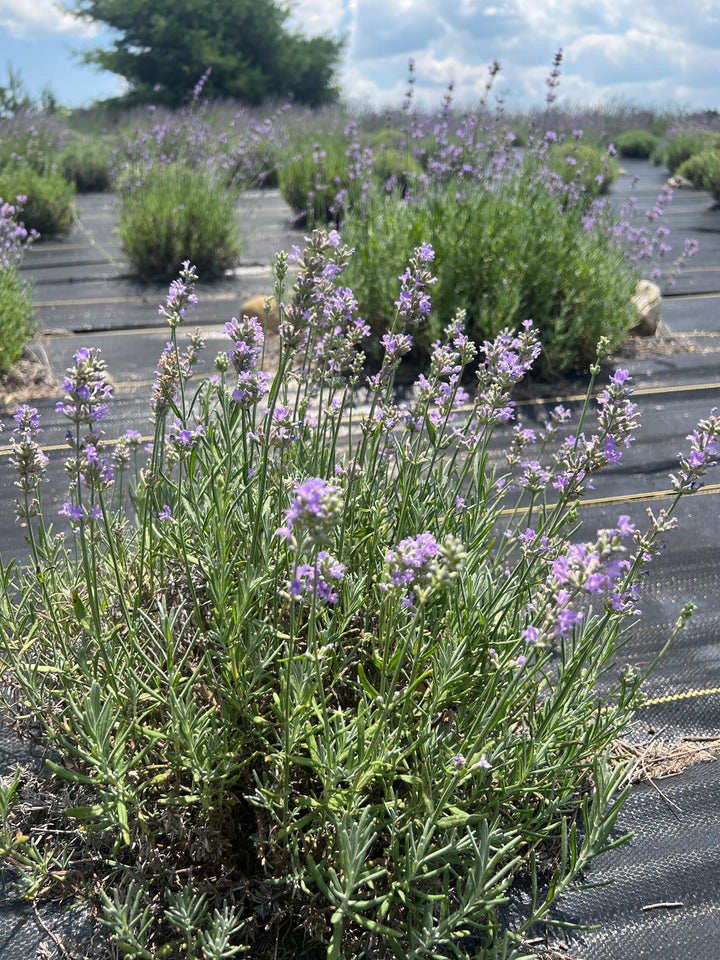
Irene Doyle lavender earned its other name, Two Seasons, honestly. It blooms in June like a typical English lavender, then comes back with a strong second bloom from September until frost. The flowers are light to medium purple with violet-blue tones, and the fragrance is rated exceptional.
It is Lavandula angustifolia 'Irene Doyle', a vigorous, tidy, bushy evergreen that reaches about 24 inches tall and 30 inches wide. It is rated for USDA zones 5a to 9b, so it is right at home in a Michigan garden.
Irene Doyle at a glance
| Trait | What to expect |
|---|---|
| Botanical name | Lavandula angustifolia 'Irene Doyle' (Two Seasons) |
| Flower color | Light to medium purple with violet-blue tones |
| Foliage | Gray-green, evergreen |
| Size | About 24 inches tall and 30 inches wide |
| Stem length | About 6 to 8 inches |
| Bloom | Starts mid-June, peaks early July; strong second bloom September to frost |
| Hardiness | USDA zones 5a to 9b |
| Fragrance | Exceptional, classic sweet English lavender |
Two seasons of color, one plant
Most English lavenders give a big June and July show and then a little extra if you are lucky. Irene Doyle's fall bloom is a real second act, which makes it valuable anywhere you want lavender color when the rest of the garden is winding down. Pollinators appreciate it too; late-season flowers are welcome food for bees.
Its exceptional fragrance also makes it a good choice by a path, patio or gate, where you will brush it in both seasons. The shorter stems, about 6 to 8 inches, keep the plant looking tidy rather than floppy.
Planting
Full sun and fast drainage are the two must-haves. Amend heavy clay or plant in a raised bed, and set the crown level with the soil. Space plants about 30 inches apart, or a bit closer for a continuous edge. Water deeply at planting and whenever the top few inches dry during the first summer. Check your frost dates with the Frost Date Estimator for spring planting.
Pruning for the second bloom
- Right after the June flush: cut spent stems down to the leafy part of the plant and lightly shape the mound. Do not wait too long; an early trim gives the plant time to rebuild buds for fall.
- Through summer: water during long dry spells to support new growth, but do not keep the soil wet.
- After the fall bloom: leave the plant mostly alone going into winter. Tidy any long stems, but save real shaping for spring.
- Spring: once new growth shows, trim winter damage back to green.
The Pruning Calendar has the timing in one place.
Harvesting
Irene Doyle rates excellent for fresh and dried flowers and great for culinary use. Cut on a dry morning when the buds are colored and just a few flowers are open. The June harvest is the bigger one; fall stems are perfect for small fresh bouquets. For the kitchen, use only food-grown buds and start small, since its fragrance is strong.
Plants, plugs and trays
It is available as individual plants (3-inch plugs, 4-inch pots and 1-gallon pots), a 72-cell plug tray and a 20-cell plug tray. See the product pages for current availability; the Wholesale Hub covers tray orders, and the Availability Alerts page can let you know when a format returns.
Frequently asked questions
Is Irene Doyle the same as Two Seasons?
Yes. Two Seasons is another name for the same English lavender.
Will the fall bloom happen every year?
It is known for a strong second bloom from September to frost. A prompt trim after the first bloom and a sunny site give it the best chance.
Can I cook with it?
Yes. It is an English lavender with a great culinary rating. Use a light hand.
Keep exploring
Ready to plant it?
Sizes, prices and shipping times are on its page.

















Share how it went in your field