

Use & Care NotesLavender Plants
Maillette Lavender: A Highly Scented English Lavender
 Save
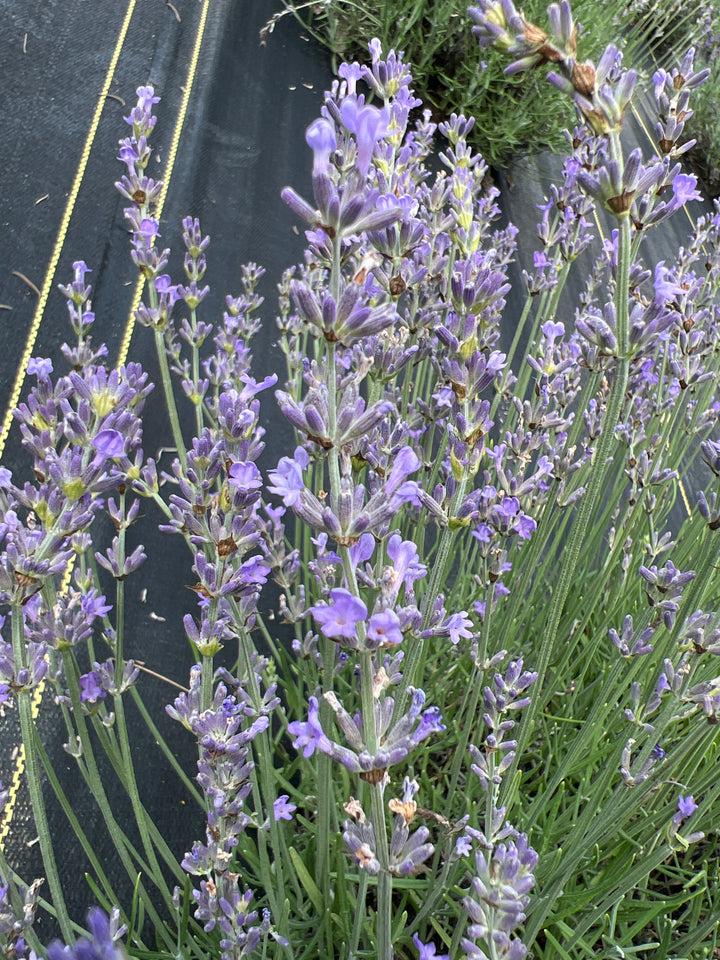
Maillette lavender is an English lavender for people who grow lavender mainly for the smell. Its fragrance strength is rated exceptional, and its purple flower spikes are unusually long, close to six inches, on stems that reach about 14 inches. The plant forms a bushy evergreen shrub with gray-green leaves.
It also happens to be one of the larger English lavenders, about 30 inches tall and 36 inches wide, so it fills its space without the sprawl of a lavandin.
Maillette at a glance
| Trait | What to expect |
|---|---|
| Botanical name | Lavandula angustifolia 'Maillette' |
| Flower color | Purple |
| Flower spikes | About 5.9 inches long on roughly 14-inch stems |
| Size | About 30 inches tall and 36 inches wide |
| Bloom | Starts mid-June, peaks mid-July, moderate rebloom |
| Hardiness | USDA zones 5a to 9b; RHS hardiness rating H5 |
| Fragrance | Exceptional; highly scented English lavender |
| Culinary | Rated great |
Why the long spikes matter
Most English lavenders carry short, compact flower spikes. Maillette's are long, which means more buds per stem. That pays off in several ways: fuller dried bundles, more buds to rub off for sachets or the kitchen, and a showier look in the garden. Its essential oil suitability is rated excellent, and its overall oil rating is good, so it also suits small-batch distillers who want an English lavender scent.
Planting and spacing
Plant in full sun, at least six to eight hours a day, in soil that drains quickly after heavy rain. Sandy or loamy soil works best. In clay, build a raised bed or mound the planting area so the crown never sits in water.
Space plants about three feet apart, close to their mature width, so each mound stays airy. Water deeply at planting, then let the top few inches dry between waterings while it settles. Keep wood chips and wet mulch off the crown.
A year with Maillette
- Spring: wait for new green growth, then tidy any winter-damaged tips.
- Early summer: spikes color up from mid-June. This is the time to cut for culinary buds.
- Midsummer: peak bloom in mid-July. Cut for bundles when about a third of the flowers are open.
- After bloom: shear lightly to shape, staying in leafy growth. A moderate rebloom can follow.
- Winter: English lavenders are among the hardier lavenders. Drainage, not covering, is what matters.
The Pruning Calendar lays out the timing in more detail.
In the kitchen and around the house
Maillette is rated great for culinary use. Harvest buds when they are colored but before most flowers open, dry them in a shaded, airy place and store them airtight. Use only plants grown and handled as a food crop, and start small; a highly scented lavender goes a long way in baking or sugar. The dried buds are also lovely for sachets and drawer bundles.
Maillette is offered as 3-inch plugs, 4-inch pots and 1-gallon pots. See the product page for current sizes and availability.
Frequently asked questions
How does Maillette compare to Hidcote or Munstead?
All are English lavenders, but Maillette is larger with much longer spikes and an exceptional fragrance rating. The Compare tool lines them up side by side.
Is Maillette good for cooking?
Yes, it is rated great for culinary use. Because the scent is so strong, use a light hand.
Will it survive cold winters?
It is rated for zones 5a to 9b and carries an H5 hardiness rating. In cold, wet climates, sharp drainage is the key to bringing it through.
Keep exploring
Ready to plant it?
Sizes, prices and shipping times are on its page.

















Share how it went in your field