

 Open in the Field Guide
We all need a Savior
“For all have sinned and fall short of the glory of God.”
Romans 3:23 (BSB)
None of us can earn our way to God by being good enough. We all need mercy.
 Field Guide · Plants and flowers
Erigeron annuus

Its pollen may trigger symptoms in people with plant allergies.
Annual fleabane is a flowering plant in the daisy family, native to North America. It grows in open, disturbed places such as fields, roadsides, and vacant lots.
 How to recognize it
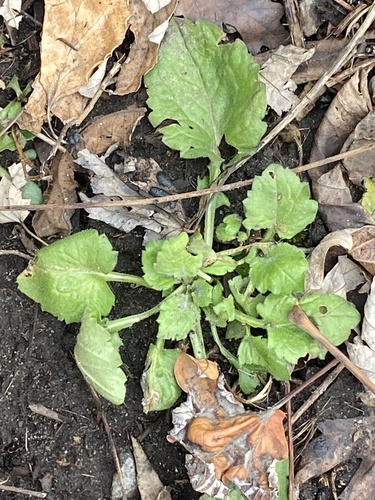
It has branching stems with many small flower heads, each with a yellow center and narrow white rays that may turn pinkish. Its daisy-like flowers are more conspicuous than the tiny heads of the listed horseweed species, though separating fleabanes can require close inspection.
 In lavender fields
Bees and other insects may visit its flowers near lavender gardens, but it has no special relationship with lavender.
 When to see it
Annual Fleabane is seen most often in Jun, Jul, Aug. There are 424741 public records of it worldwide.
 Often recorded near
Public records show Annual Fleabane most often in the areas around these farms and places:
Seen one? Point the Lavender Passport Field Guide at it and add your find.
 Questions
It’s seen most often in Jun, Jul, Aug.
Public records show it most often around Campagne Le Serre, Domaine Les Grandes Marges, Exploitation Arnoux, Fleur Bleue, GAEC du Riou.
It has branching stems with many small flower heads, each with a yellow center and narrow white rays that may turn pinkish. Its daisy-like flowers are more conspicuous than the tiny heads of the listed horseweed species, though separating fleabanes can require close inspection.
Its pollen may trigger symptoms in people with plant allergies.















You may also like

Here to help while we’re tending the farm