

 Open in the Field Guide
We all need a Savior
“For all have sinned and fall short of the glory of God.”
Romans 3:23 (BSB)
None of us can earn our way to God by being good enough. We all need mercy.
 Field Guide · Reptiles and amphibians
Notophthalmus viridescens

Its skin secretions contain tetrodotoxin, so do not eat it or handle it unnecessarily, and wash your hands if you touch one.
The eastern newt is a salamander found across much of eastern North America. It lives in ponds and other still or slow-moving water as an adult; young red efts spend time on land, often in moist wooded areas.
 How to recognize it
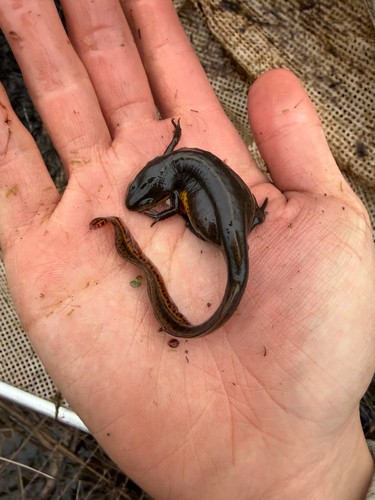
Adults are usually olive to brown with small red spots, often ringed in black; young red efts are bright orange-red with dark spots. The red eft stage is a useful clue for recognizing this species among similar newts.
 When to see it
Eastern Newt is seen most often in Apr, May, Jun. There are 102259 public records of it worldwide.
 Often recorded near
Public records show Eastern Newt most often in the areas around these farms and places:
Seen one? Point the Lavender Passport Field Guide at it and add your find.
 Questions
It’s seen most often in Apr, May, Jun.
Public records show it most often around CityRange Steakhouse Grill- Location Picker, Elf Leaf Farm, RickErwins, Soby's New South Cuisine, Valensole Farm.
Adults are usually olive to brown with small red spots, often ringed in black; young red efts are bright orange-red with dark spots. The red eft stage is a useful clue for recognizing this species among similar newts.
Its skin secretions contain tetrodotoxin, so do not eat it or handle it unnecessarily, and wash your hands if you touch one.















You may also like

Here to help while we’re tending the farm