

 Open in the Field Guide
We all need a Savior
“For all have sinned and fall short of the glory of God.”
Romans 3:23 (BSB)
None of us can earn our way to God by being good enough. We all need mercy.
 Field Guide · Plants and flowers
Berberis thunbergii

Its sharp thorns can prick skin, so handle the branches carefully.
Japanese barberry is a small, thorny deciduous shrub native to Japan and parts of eastern Asia. It is widely planted and has become invasive in parts of North America, where it can form dense stands.
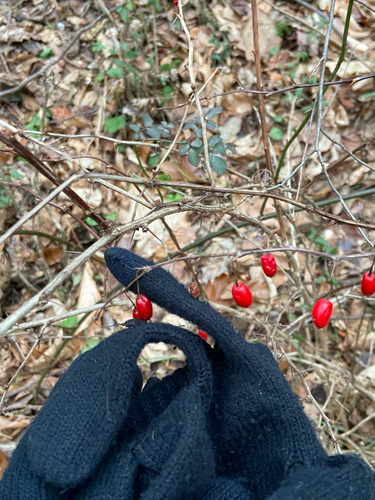
 How to recognize it
Look for small, smooth-edged leaves, yellow spring flowers, and bright red berries; its leaves are unlike the toothed leaves of common barberry. Unlike evergreen Japanese barberry's relatives Oregon grape holly barberry and Darwin's barberry, Japanese barberry loses its leaves in winter.
 In lavender fields
Its spring flowers can provide food for visiting insects, but it is not a special companion plant for lavender and can be invasive.
 When to see it
Japanese Barberry is seen most often in Apr, May, Jun, Oct. There are 83720 public records of it worldwide.
 Often recorded near
Public records show Japanese Barberry most often in the areas around these farms and places:
Seen one? Point the Lavender Passport Field Guide at it and add your find.
 Questions
It’s seen most often in Apr, May, Jun, Oct.
Public records show it most often around BaySide Inn, Bella Vista Farm, Castle in the Country, Crane Orchards, Crane's Pie Pantry Restaurant & Winery.
Look for small, smooth-edged leaves, yellow spring flowers, and bright red berries; its leaves are unlike the toothed leaves of common barberry. Unlike evergreen Japanese barberry's relatives Oregon grape holly barberry and Darwin's barberry, Japanese barberry loses its leaves in winter.
Its sharp thorns can prick skin, so handle the branches carefully.















You may also like

Here to help while we’re tending the farm