

 Open in the Field Guide
We all need a Savior
“For all have sinned and fall short of the glory of God.”
Romans 3:23 (BSB)
None of us can earn our way to God by being good enough. We all need mercy.
 Field Guide · Plants and flowers
Rubus phoenicolasius

Its prickly canes can scratch skin, so handle them carefully.
Wineberry is an Asian raspberry that has become established in parts of North America, especially the eastern United States. It grows in places such as woodland edges, roadsides, and other disturbed areas.
 How to recognize it
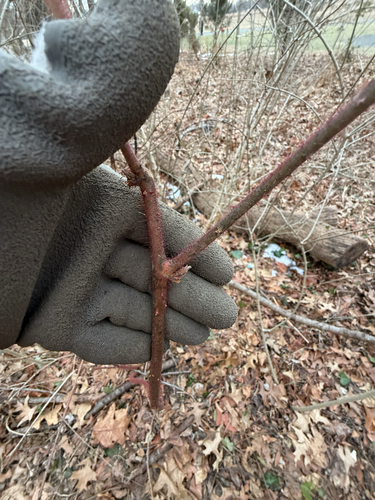
Its canes and flower cups are covered in bristly reddish hairs, and the red raspberry-like fruits are held inside the hairy cups until they ripen. These red hairs help distinguish it from the listed raspberries and blackberries, which do not have the same covering.
 In lavender fields
Bees and other insects visit wineberry flowers, but the plant has no special connection to lavender gardens.
 When to see it
Wineberry is seen most often in Jun, Jul. There are 55760 public records of it worldwide.
 Often recorded near
Public records show Wineberry most often in the areas around these farms and places:
Seen one? Point the Lavender Passport Field Guide at it and add your find.
 Questions
It’s seen most often in Jun, Jul.
Public records show it most often around Barrel Oak Winery & Brewery, Great Country Farms, Lavender Bliss Cottage, Lavender Hill, Veramar Vineyard: One of the Best Wineries in Virginia.
Its canes and flower cups are covered in bristly reddish hairs, and the red raspberry-like fruits are held inside the hairy cups until they ripen. These red hairs help distinguish it from the listed raspberries and blackberries, which do not have the same covering.
Its prickly canes can scratch skin, so handle them carefully.















You may also like

Here to help while we’re tending the farm