

 Open in the Field Guide
We all need a Savior
“For all have sinned and fall short of the glory of God.”
Romans 3:23 (BSB)
None of us can earn our way to God by being good enough. We all need mercy.
 Field Guide · Spiders
Phidippus johnsoni

It may bite if handled or trapped, but bites are uncommon and usually cause only temporary local pain or swelling.
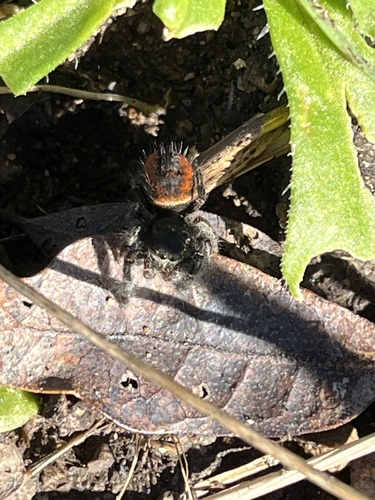
Johnson’s jumping spider is a large jumping spider found in western North America. It lives in places such as rocky areas, open woodlands, and gardens, where it hunts small insects rather than catching them in a web.
 How to recognize it
Look for a dark spider with a bright red abdomen, usually marked by a black stripe; the similar species listed generally have different patterns, though color alone may not confirm an identification.
 When to see it
Johnson's Jumping Spider is seen most often in Mar, Apr, May. There are 11653 public records of it worldwide.
 Often recorded near
Public records show Johnson's Jumping Spider most often in the areas around these farms and places:
Seen one? Point the Lavender Passport Field Guide at it and add your find.
 Questions
It’s seen most often in Mar, Apr, May.
Public records show it most often around Chilliwack River Valley Natural Honey, Creekside Cheese + Creamery, Greendale Acres, Harrison Lavender, Heritage Barn.
Look for a dark spider with a bright red abdomen, usually marked by a black stripe; the similar species listed generally have different patterns, though color alone may not confirm an identification.
It may bite if handled or trapped, but bites are uncommon and usually cause only temporary local pain or swelling.















You may also like

Here to help while we’re tending the farm