

 Open in the Field Guide
We all need a Savior
“For all have sinned and fall short of the glory of God.”
Romans 3:23 (BSB)
None of us can earn our way to God by being good enough. We all need mercy.
 Field Guide · Mammals
Ondatra zibethicus

A muskrat may bite if handled or cornered, so observe it from a distance.
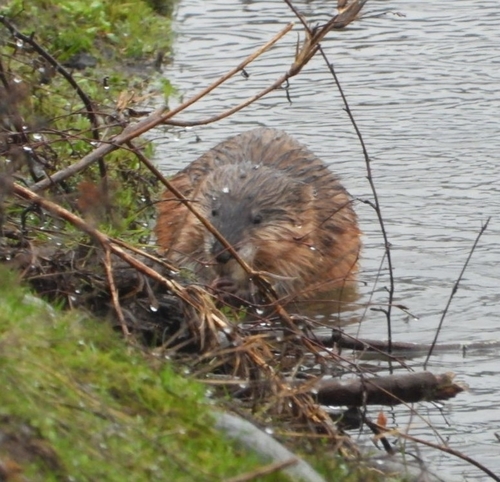
The muskrat is a semiaquatic rodent native to North America. It lives in wetlands, ponds, marshes, and slow-moving waterways, where it feeds mainly on aquatic plants.
 How to recognize it
It has a stocky body, dense brown fur, and a long, vertically flattened tail. The other listed species are extinct fossil rodents, unlike this living species.
 When to see it
Muskrat is seen most often in Jan, Feb, Mar, Apr, May, Jun, Sep, Oct, Nov. There are 1538595 public records of it worldwide.
 Often recorded near
Public records show Muskrat most often in the areas around these farms and places:
Seen one? Point the Lavender Passport Field Guide at it and add your find.
 Questions
It’s seen most often in Jan, Feb, Mar, Apr, May, Jun, Sep, Oct, Nov.
Public records show it most often around BaySide Inn, Bella Vista Farm, Castle in the Country, Crane Orchards, Crane's Pie Pantry Restaurant & Winery.
It has a stocky body, dense brown fur, and a long, vertically flattened tail. The other listed species are extinct fossil rodents, unlike this living species.
A muskrat may bite if handled or cornered, so observe it from a distance.















You may also like

Here to help while we’re tending the farm