

 Open in the Field Guide
We all need a Savior
“For all have sinned and fall short of the glory of God.”
Romans 3:23 (BSB)
None of us can earn our way to God by being good enough. We all need mercy.
 Field Guide · Plants and flowers
Sassafras albidum

Avoid eating the roots or making tea from them; they contain safrole, which is not permitted as a food additive in the United States.
Sassafras is a deciduous tree native to eastern North America. It grows in forests, woodland edges, and open areas, and its leaves turn yellow, orange, or red in fall.
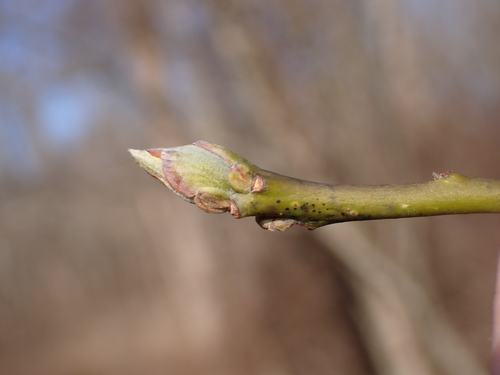
 How to recognize it
Its aromatic leaves may be oval, mitten-shaped, or divided into three lobes, sometimes on the same tree. It is the only sassafras species native to North America; the similar species listed are native to Asia.
 When to see it
Sassafras is seen most often in Apr, May, Jun, Jul, Aug, Sep, Oct. There are 73767 public records of it worldwide.
 Often recorded near
Public records show Sassafras most often in the areas around these farms and places:
Seen one? Point the Lavender Passport Field Guide at it and add your find.
 Questions
It’s seen most often in Apr, May, Jun, Jul, Aug, Sep, Oct.
Public records show it most often around 12 Corners Vineyards, Contessa Wine Cellars, Dablon Vineyards & Winery, Froehlich's, Fruit Acres Farm Market & U-Pick.
Its aromatic leaves may be oval, mitten-shaped, or divided into three lobes, sometimes on the same tree. It is the only sassafras species native to North America; the similar species listed are native to Asia.
Avoid eating the roots or making tea from them; they contain safrole, which is not permitted as a food additive in the United States.















You may also like

Here to help while we’re tending the farm