

 Open in the Field Guide
We all need a Savior
“For all have sinned and fall short of the glory of God.”
Romans 3:23 (BSB)
None of us can earn our way to God by being good enough. We all need mercy.
 Field Guide · Plants and flowers
Actaea pachypoda

All parts are poisonous if eaten, especially the berries; do not eat them.
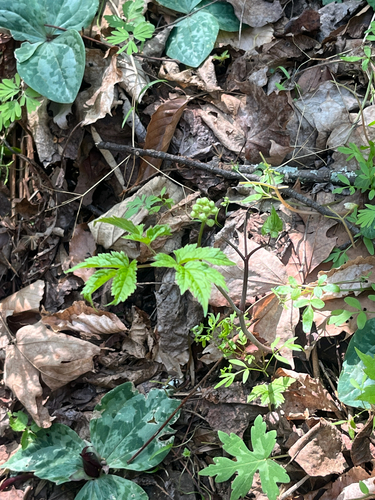
White baneberry is a perennial woodland plant native to eastern North America, where it grows in shaded forests. It is also called doll’s-eyes for its distinctive white fruits.
 How to recognize it
Look for clusters of white berries, each with a dark spot, on thick red stalks. This distinguishes it from red baneberry, which usually has red berries, and from the other listed species, which have black fruits or tall flower spikes rather than doll’s-eyes.
 When to see it
White Baneberry is seen most often in Aug, Sep. There are 32254 public records of it worldwide.
 Often recorded near
Public records show White Baneberry most often in the areas around these farms and places:
Seen one? Point the Lavender Passport Field Guide at it and add your find.
 Questions
It’s seen most often in Aug, Sep.
Public records show it most often around Anchored Roots Vineyard & Winery, Door Peninsula Winery, Harbor Ridge Winery, Inn at Cedar Crossing and Cedar Crossing Restaurant & Bar, The Little Harbor Sturgeon Bay, Wisconsin.
Look for clusters of white berries, each with a dark spot, on thick red stalks. This distinguishes it from red baneberry, which usually has red berries, and from the other listed species, which have black fruits or tall flower spikes rather than doll’s-eyes.
All parts are poisonous if eaten, especially the berries; do not eat them.















You may also like

Here to help while we’re tending the farm