

 Open in the Field Guide
We all need a Savior
“For all have sinned and fall short of the glory of God.”
Romans 3:23 (BSB)
None of us can earn our way to God by being good enough. We all need mercy.
 Field Guide · Mammals
Odocoileus virginianus

A deer can kick or injure someone if approached or cornered, so observe it from a distance.
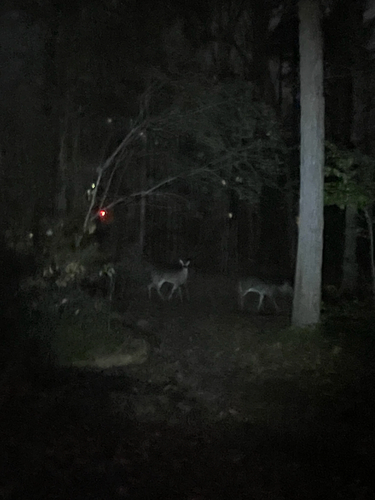
The white-tailed deer is a medium-sized hoofed mammal native to North and South America. It lives in many habitats, including forests, grasslands, and scrub, and is especially widespread in North America.
 How to recognize it
Look for a reddish-brown coat in summer, a pale underside, and a white tail that it raises when alarmed. Its tail helps distinguish it from deer species with darker tails.
 In lavender fields
Deer may pass through lavender gardens, but they generally avoid eating lavender because of its strong scent.
 When to see it
White-tailed Deer is seen most often in Jan, Mar, Apr, May, Jun, Jul, Aug, Sep, Oct, Nov. There are 370388 public records of it worldwide.
 Often recorded near
Public records show White-tailed Deer most often in the areas around these farms and places:
Seen one? Point the Lavender Passport Field Guide at it and add your find.
 Questions
It’s seen most often in Jan, Mar, Apr, May, Jun, Jul, Aug, Sep, Oct, Nov.
Public records show it most often around 12 Corners Vineyards, Contessa Wine Cellars, Dablon Vineyards & Winery, Froehlich's, Fruit Acres Farm Market & U-Pick.
Look for a reddish-brown coat in summer, a pale underside, and a white tail that it raises when alarmed. Its tail helps distinguish it from deer species with darker tails.
A deer can kick or injure someone if approached or cornered, so observe it from a distance.















You may also like

Here to help while we’re tending the farm