

 Open in the Field Guide
We all need a Savior
“For all have sinned and fall short of the glory of God.”
Romans 3:23 (BSB)
None of us can earn our way to God by being good enough. We all need mercy.
 Field Guide · Plants and flowers
Toxicodendron radicans

Contact with any part of the plant, including dead stems and leaves, can cause an itchy, blistering rash in people sensitive to its oil.
Poison ivy is a North American flowering plant that grows as a climbing vine or a low shrub. It is common in woods, along trail edges, and in other disturbed places.
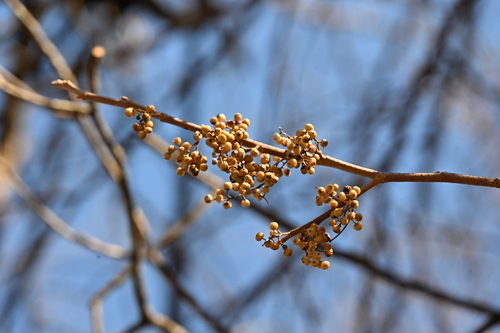
 How to recognize it
Its leaves usually grow in groups of three, with smooth or toothed edges; unlike western poison oak, its leaflets are usually not deeply lobed like oak leaves. Poison sumac has many leaflets arranged along a stem, rather than three leaflets.
 When to see it
Poison Ivy is seen most often in Apr, May, Jun. There are 118460 public records of it worldwide.
 Often recorded near
Public records show Poison Ivy most often in the areas around these farms and places:
Seen one? Point the Lavender Passport Field Guide at it and add your find.
 Questions
It’s seen most often in Apr, May, Jun.
Public records show it most often around Café Piña, Lark Ranch (Loogootee), Pink Duck Creamery, Schnitzelbank, The Next Chapter.
Its leaves usually grow in groups of three, with smooth or toothed edges; unlike western poison oak, its leaflets are usually not deeply lobed like oak leaves. Poison sumac has many leaflets arranged along a stem, rather than three leaflets.
Contact with any part of the plant, including dead stems and leaves, can cause an itchy, blistering rash in people sensitive to its oil.















You may also like

Here to help while we’re tending the farm