

 Open in the Field Guide
We all need a Savior
“For all have sinned and fall short of the glory of God.”
Romans 3:23 (BSB)
None of us can earn our way to God by being good enough. We all need mercy.
 Field Guide · Other wildlife
Sceloporus occidentalis

It is not venomous, but may bite if grabbed, so avoid handling it.
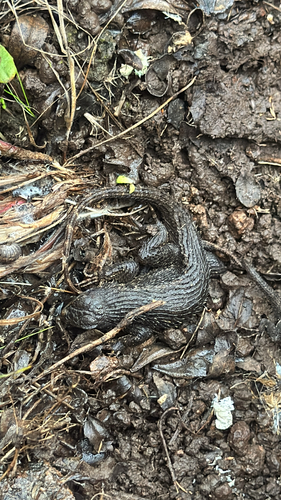
The western fence lizard is a common lizard of the western United States and parts of northern Mexico. It lives in varied habitats, including woodlands, scrub, rocky areas, and yards, and often basks on fences, rocks, and logs.
 How to recognize it
It has rough, keeled scales and a brown or gray back with dark markings; adult males often show bright blue patches on the belly and throat. Those blue patches and its western range help distinguish it from the similar lizards listed.
 When to see it
Western Fence Lizard is seen most often in Apr, May, Jun. There are 181398 public records of it worldwide.
 Often recorded near
Public records show Western Fence Lizard most often in the areas around these farms and places:
Seen one? Point the Lavender Passport Field Guide at it and add your find.
 Questions
It’s seen most often in Apr, May, Jun.
Public records show it most often around B.R. Cohn Winery, Beaulieu Vineyard, Bees N Blooms, Chimney Rock Winery, Clif Family Winery.
It has rough, keeled scales and a brown or gray back with dark markings; adult males often show bright blue patches on the belly and throat. Those blue patches and its western range help distinguish it from the similar lizards listed.
It is not venomous, but may bite if grabbed, so avoid handling it.















You may also like

Here to help while we’re tending the farm