

 Open in the Field Guide
We all need a Savior
“For all have sinned and fall short of the glory of God.”
Romans 3:23 (BSB)
None of us can earn our way to God by being good enough. We all need mercy.
 Field Guide · Plants and flowers
Ageratina altissima

All parts are poisonous if eaten, and livestock that eat it can pass its toxin into their milk.
White snakeroot is a poisonous perennial wildflower native to eastern and central North America. It grows in places such as open woods, woodland edges, and meadows.
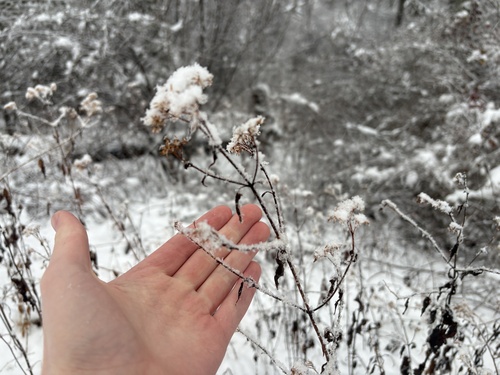
 How to recognize it
Look for opposite, broad, sharply toothed leaves and branching clusters of small white flower heads. Its broad leaves and herbaceous growth help distinguish it from the narrower-leaved Ageratina riparia and the shrubby Ageratina havanensis.
 When to see it
White Snakeroot is seen most often in Sep. There are 80465 public records of it worldwide.
 Often recorded near
Public records show White Snakeroot most often in the areas around these farms and places:
Seen one? Point the Lavender Passport Field Guide at it and add your find.
 Questions
It’s seen most often in Sep.
Public records show it most often around Blooms and Berries Farm Market, Hidden Valley Orchards, Irons Fruit Farm, Lucas Brothers Farms, Onederings Lavender Farm.
Look for opposite, broad, sharply toothed leaves and branching clusters of small white flower heads. Its broad leaves and herbaceous growth help distinguish it from the narrower-leaved Ageratina riparia and the shrubby Ageratina havanensis.
All parts are poisonous if eaten, and livestock that eat it can pass its toxin into their milk.















You may also like

Here to help while we’re tending the farm