

 Open in the Field Guide
We all need a Savior
“For all have sinned and fall short of the glory of God.”
Romans 3:23 (BSB)
None of us can earn our way to God by being good enough. We all need mercy.
 Field Guide · Pollinators
Bombus griseocollis

Females can sting if handled or trapped, so observe them without touching.
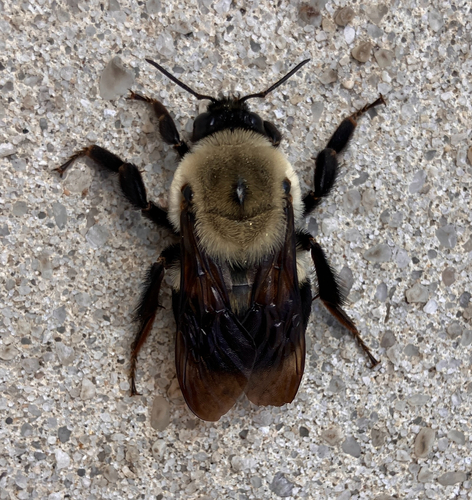
The brown-belted bumblebee is a native North American bumblebee found across much of the United States and in southern parts of Canada. It lives in a range of open and lightly wooded habitats where flowering plants are available.
 How to recognize it
Look for a yellow-haired thorax and a brownish band across the otherwise dark abdomen; the band can help distinguish it from the red-tailed Bombus lapidarius and white-tailed Bombus terrestris, though it can resemble Bombus impatiens.
 In lavender fields
It may visit lavender flowers for nectar and pollen and can help pollinate them.
 When to see it
Brown-belted Bumblebee is seen most often in Jul. There are 135525 public records of it worldwide.
 Often recorded near
Public records show Brown-belted Bumblebee most often in the areas around these farms and places:
Seen one? Point the Lavender Passport Field Guide at it and add your find.
 Questions
It’s seen most often in Jul.
Public records show it most often around À la Croisée des Pommes, Asteur, Cidrerie Lacroix, Intermiel, La Lavandoise.
Look for a yellow-haired thorax and a brownish band across the otherwise dark abdomen; the band can help distinguish it from the red-tailed Bombus lapidarius and white-tailed Bombus terrestris, though it can resemble Bombus impatiens.
Females can sting if handled or trapped, so observe them without touching.















You may also like

Here to help while we’re tending the farm