

 Open in the Field Guide
We all need a Savior
“For all have sinned and fall short of the glory of God.”
Romans 3:23 (BSB)
None of us can earn our way to God by being good enough. We all need mercy.
 Field Guide · Birds
Branta canadensis

A goose may bite or charge if approached, especially when nesting or with young.
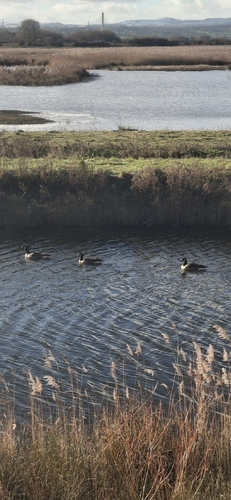
The Canada Goose is a large, mostly plant-eating waterfowl native to North America. It lives near freshwater, marshes, estuaries, and other wetlands, and many populations migrate seasonally.
 How to recognize it
Look for a brown body, black head and neck, and a white patch on each cheek. It is generally larger and longer-necked than the similar Cackling Goose; the other listed species have different patterns, including the Brant’s small white neck patch and the Red-breasted Goose’s reddish breast.
 When to see it
Canada Goose is seen most often in Mar, Apr, May. There are 25257584 public records of it worldwide.
 Often recorded near
Public records show Canada Goose most often in the areas around these farms and places:
Seen one? Point the Lavender Passport Field Guide at it and add your find.
 Questions
It’s seen most often in Mar, Apr, May.
Public records show it most often around DeBuck's Family Farm, Erie Orchards and Cider Mills, Gust Brothers Pumpkin Farm, Gust Flower & Produce Farm, Lavender Lane Farm.
Look for a brown body, black head and neck, and a white patch on each cheek. It is generally larger and longer-necked than the similar Cackling Goose; the other listed species have different patterns, including the Brant’s small white neck patch and the Red-breasted Goose’s reddish breast.
A goose may bite or charge if approached, especially when nesting or with young.















You may also like

Here to help while we’re tending the farm