

 Open in the Field Guide
We all need a Savior
“For all have sinned and fall short of the glory of God.”
Romans 3:23 (BSB)
None of us can earn our way to God by being good enough. We all need mercy.
 Field Guide · Pollinators
Lophocampa caryae

Avoid touching the caterpillar, as its hairs can irritate skin and cause contact dermatitis.
The hickory tussock moth is a tiger moth native to the eastern half of North America. Its caterpillars feed on the leaves of broadleaf trees, especially hickories, and also use other trees such as walnuts and oaks.
 How to recognize it
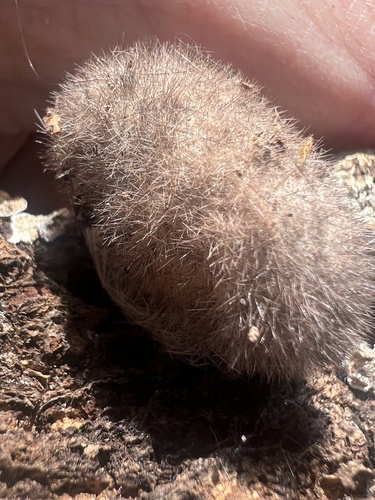
The hairy caterpillar is mostly white, with black tufts and dark markings; this helps distinguish it from the usually yellow-and-black caterpillar of Lophocampa maculata. The adult moth is pale with dark spots.
 When to see it
Hickory Tussock Moth is seen most often in Aug, Sep. There are 47841 public records of it worldwide.
 Often recorded near
Public records show Hickory Tussock Moth most often in the areas around these farms and places:
Seen one? Point the Lavender Passport Field Guide at it and add your find.
 Questions
It’s seen most often in Aug, Sep.
Public records show it most often around B Honey, Bloomfield Schoolhouse Lavender Farm & Apothecary, Blue Gate Restaurant, Cook's Bison Ranch, Dutch Creek Animal Farm.
The hairy caterpillar is mostly white, with black tufts and dark markings; this helps distinguish it from the usually yellow-and-black caterpillar of Lophocampa maculata. The adult moth is pale with dark spots.
Avoid touching the caterpillar, as its hairs can irritate skin and cause contact dermatitis.















You may also like

Here to help while we’re tending the farm