

 Open in the Field Guide
We all need a Savior
“For all have sinned and fall short of the glory of God.”
Romans 3:23 (BSB)
None of us can earn our way to God by being good enough. We all need mercy.
 Field Guide · Pollinators
Apis mellifera

Honey bees can sting, especially when defending their colony.
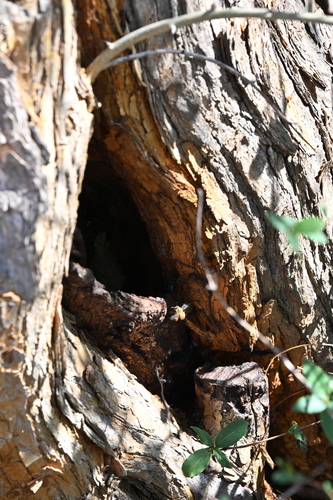
The western honey bee is a social insect native to parts of Europe, Africa, and Asia and introduced across North America. It lives in colonies, often in managed hives, and can also nest in sheltered cavities.
 How to recognize it
It has a fuzzy, golden-brown body with darker bands across its abdomen. No similar species are listed for comparison.
 In lavender fields
Honey bees visit lavender flowers for nectar and pollen and can help pollinate them.
 When to see it
 Often recorded near
Public records show Honey Bee most often in the areas around these farms and places:
Seen one? Point the Lavender Passport Field Guide at it and add your find.
 Questions
Public records show it most often around Cedar Springs Brewing Company, Deep Roots Produce, Eastern Kille Distillery, Ed Dunneback & Girls Farm, Epilogue Books.
It has a fuzzy, golden-brown body with darker bands across its abdomen. No similar species are listed for comparison.
Honey bees can sting, especially when defending their colony.















You may also like

Here to help while we’re tending the farm