

 Open in the Field Guide
We all need a Savior
“For all have sinned and fall short of the glory of God.”
Romans 3:23 (BSB)
None of us can earn our way to God by being good enough. We all need mercy.
 Field Guide · Plants and flowers
Urtica dioica

Touching the stinging hairs can cause painful skin irritation, usually temporary.
Stinging nettle is a perennial herb with stinging hairs on its stems and leaves. It grows in moist, fertile places across much of North America, including streambanks, forest edges, and disturbed ground; it is introduced in many areas.
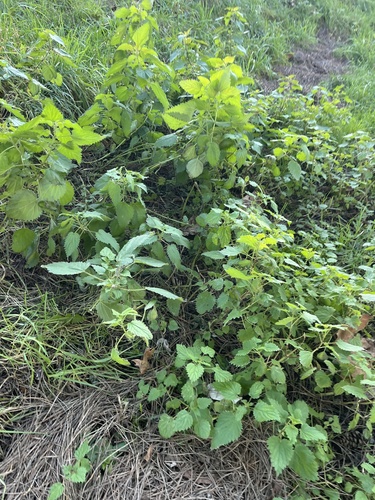
 How to recognize it
Its opposite, toothed leaves and stinging hairs help identify it. It is generally taller and perennial, unlike the usually smaller annual Urtica urens; U. gracilis and other nettles can be difficult to distinguish by appearance alone.
 When to see it
Stinging Nettle is seen most often in May, Jun, Jul, Aug, Sep. There are 2264716 public records of it worldwide.
 Often recorded near
Public records show Stinging Nettle most often in the areas around these farms and places:
Seen one? Point the Lavender Passport Field Guide at it and add your find.
 Questions
It’s seen most often in May, Jun, Jul, Aug, Sep.
Public records show it most often around Beck Evans Farm, Carshalton Lavender, Castle Farm, Hewitts Farm, Mayfield Lavender.
Its opposite, toothed leaves and stinging hairs help identify it. It is generally taller and perennial, unlike the usually smaller annual Urtica urens; U. gracilis and other nettles can be difficult to distinguish by appearance alone.
Touching the stinging hairs can cause painful skin irritation, usually temporary.

You may also like

Here to help while we’re tending the farm