

 Open in the Field Guide
We all need a Savior
“For all have sinned and fall short of the glory of God.”
Romans 3:23 (BSB)
None of us can earn our way to God by being good enough. We all need mercy.
 Field Guide · Mammals
Meles meles

Do not approach or handle a badger, which can bite if threatened.
The European badger is a stocky member of the weasel family native to Europe and parts of western and central Asia. It lives in habitats such as woodland, grassland, and farmland, often digging underground burrows called setts.
 How to recognize it
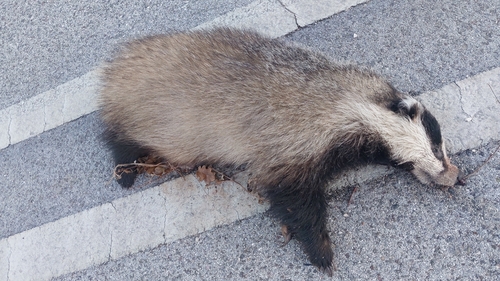
Look for its gray body and distinctive black-and-white striped face; the similar badger species listed occur mainly in Asia, so range can help distinguish them.
 When to see it
European Badger is seen most often in Feb, Mar, Apr, May, Jun. There are 561537 public records of it worldwide.
 Often recorded near
Public records show European Badger most often in the areas around these farms and places:
Seen one? Point the Lavender Passport Field Guide at it and add your find.
 Questions
It’s seen most often in Feb, Mar, Apr, May, Jun.
Public records show it most often around Beck Evans Farm, Carshalton Lavender, Castle Farm, Hewitts Farm, Mayfield Lavender.
Look for its gray body and distinctive black-and-white striped face; the similar badger species listed occur mainly in Asia, so range can help distinguish them.
Do not approach or handle a badger, which can bite if threatened.















You may also like

Here to help while we’re tending the farm