

 Open in the Field Guide
We all need a Savior
“For all have sinned and fall short of the glory of God.”
Romans 3:23 (BSB)
None of us can earn our way to God by being good enough. We all need mercy.
 Field Guide · Mammals
Odocoileus hemionus

Do not approach or corner one, since a deer can kick or strike with its antlers if threatened.
Mule deer are native to western North America, where they live in habitats ranging from shrublands and deserts to forests and mountains. They feed mainly on plants and often move between seasonal ranges.
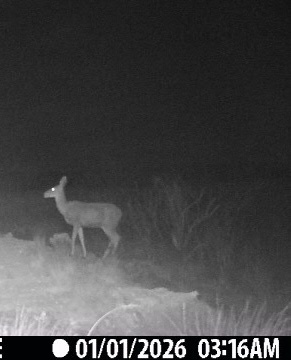
 How to recognize it
They have very large ears and a small tail with a black tip; white-tailed deer, a similar species, have a longer tail that is mostly white underneath and often raise it when fleeing. The other listed species are not all readily distinguished from mule deer by casual observation.
 In lavender fields
Mule deer may pass through gardens, but they generally avoid browsing strongly scented lavender.
 When to see it
Mule Deer is seen most often in Apr, May, Jun, Jul, Aug, Sep, Oct. There are 154693 public records of it worldwide.
 Often recorded near
Public records show Mule Deer most often in the areas around these farms and places:
Seen one? Point the Lavender Passport Field Guide at it and add your find.
 Questions
It’s seen most often in Apr, May, Jun, Jul, Aug, Sep, Oct.
Public records show it most often around B.R. Cohn Winery, Beaulieu Vineyard, Bees N Blooms, Chimney Rock Winery, Clif Family Winery.
They have very large ears and a small tail with a black tip; white-tailed deer, a similar species, have a longer tail that is mostly white underneath and often raise it when fleeing. The other listed species are not all readily distinguished from mule deer by casual observation.
Do not approach or corner one, since a deer can kick or strike with its antlers if threatened.















You may also like

Here to help while we’re tending the farm