

 Open in the Field Guide
We all need a Savior
“For all have sinned and fall short of the glory of God.”
Romans 3:23 (BSB)
None of us can earn our way to God by being good enough. We all need mercy.
 Field Guide · Spiders
Argiope bruennichi

It is not considered dangerous, but it may bite if handled or trapped, and the bite can cause temporary pain and swelling.
The wasp spider is an orb-weaving spider native to parts of Europe, Asia, and Africa; it is not native to North America. It lives in sunny grasslands and other open habitats, where it spins a web among plants.
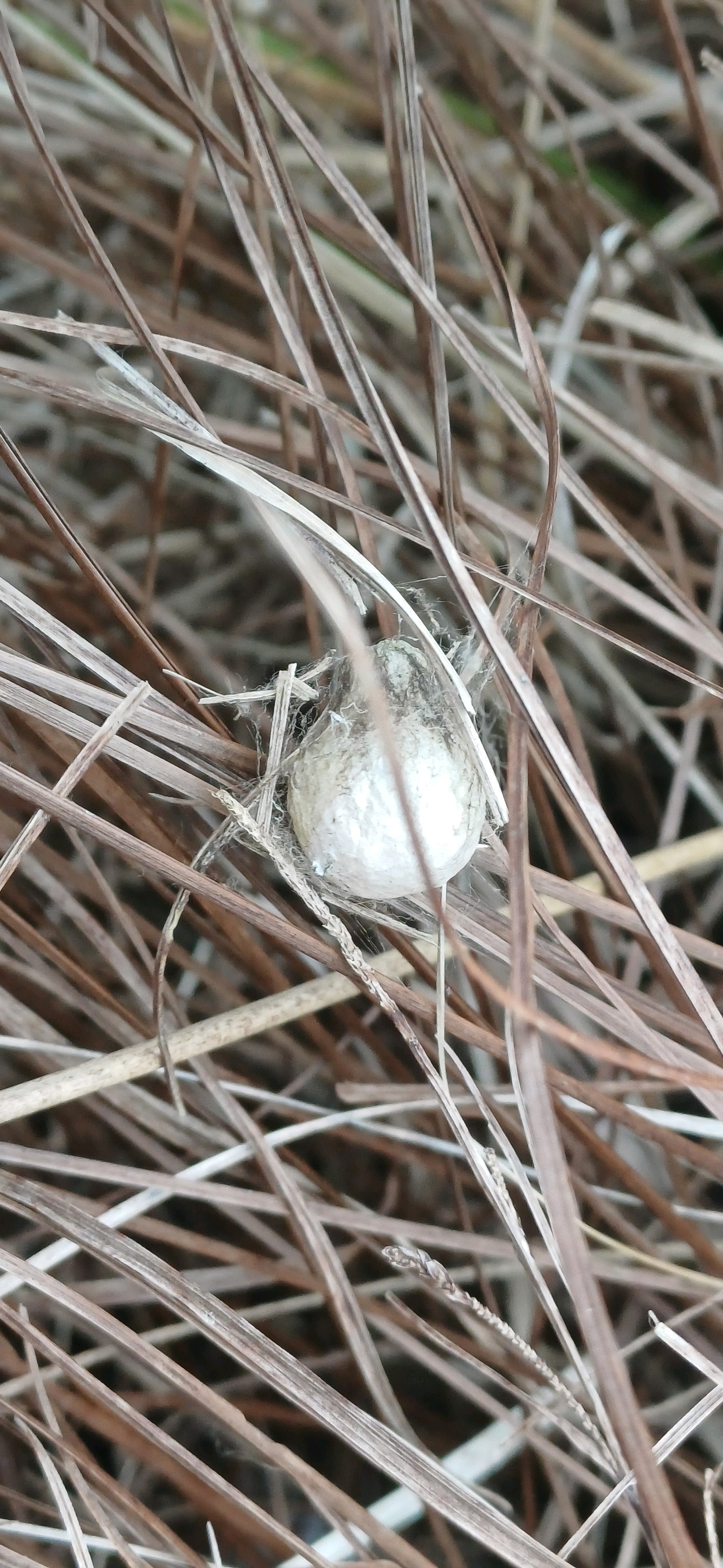
 How to recognize it
Females have bold yellow and black bands across the abdomen, unlike the mostly black-and-yellow pattern of Argiope aurantia; males are smaller and less brightly marked. It can resemble Argiope trifasciata, which usually has more silvery bands.
 When to see it
Wasp Spider is seen most often in Aug. There are 166902 public records of it worldwide.
 Often recorded near
Public records show Wasp Spider most often in the areas around these farms and places:
Seen one? Point the Lavender Passport Field Guide at it and add your find.
 Questions
It’s seen most often in Aug.
Public records show it most often around Dell Quay PYO, Durleighmarsh Farm Shop & PYO, Hambledon Vineyard, Lordington Lavender, The Lavender Fields.
Females have bold yellow and black bands across the abdomen, unlike the mostly black-and-yellow pattern of Argiope aurantia; males are smaller and less brightly marked. It can resemble Argiope trifasciata, which usually has more silvery bands.
It is not considered dangerous, but it may bite if handled or trapped, and the bite can cause temporary pain and swelling.















You may also like

Here to help while we’re tending the farm